


The soybeans, a one-year chicken-breeding herbs plant from tropical africa, are widely cultivated after improvements in china。
More than 20 nutrients, such as proteins, diet fibres and vitamins, are popular among consumers。
The beans
The production of beans is higher than that of other crops and prices are more reasonable, with many farmers and friends growing. However, due to the high and low level of cultivation technology, the average size of the haber family ranges from 2,000 to 5,000 pounds, with wide variations。
How can we increase the production of beans? This paper tells our friends about the four key points of growth habits, cultivation techniques, pest control and high yield。
I. Growth properties of beans
The beans are grown in three different species, i. E., bean, short bean and bean bean, and this is mainly about bean bean。
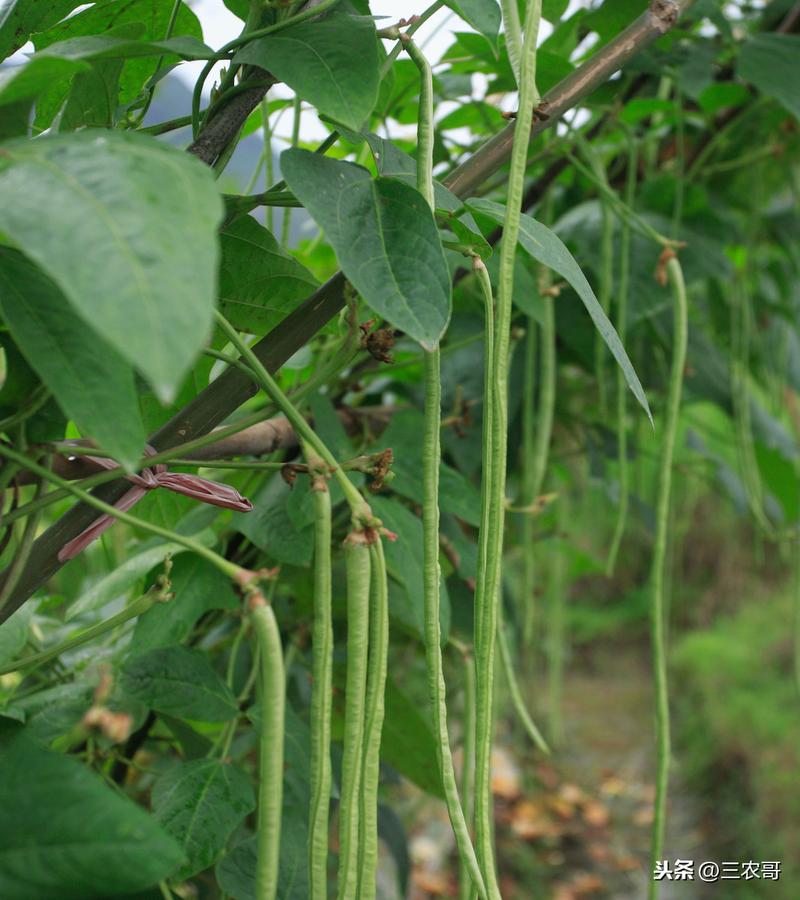
(ringing)
Vegetable beans are dryland crops that grow more than two metres long in vines. They tend to grow on land that is deep in the earth, lax and water-preserving, prefer neutral or acidic soils, are too acidic and prone to atrophy。
The suitable temperature of the bean is between 15 and 35 degrees, with the best 21 degrees and the best growth months from 4 to july. However, growing during long daylight periods is prone to the presence of penis-heads。
The root of the bean, which belongs to the soybean section, is the general characteristic of the soybean crop, that is to say, the root has a tumour activity。
There is a greater variety of fertilizers required for thorium, as well as a greater demand for potassium phosphorus, especially during the acetate period。
The above-mentioned growth properties are particularly important for bean cultivation and are guiding techniques for high-yield cultivation。
Ii. Teething techniques (i) whole land
The land required for the beans is looser and, as a result, needs to be more than 30 cm deep in the ground。
In order to sow bean seed, it is necessary to open up the compartments and be taller than 30 cm. Because of the growth of the vines, there is a need to keep the passages wide enough to be easily accessible, while the passages are also used for water irrigation, it is recommended to be 70 cm wide。
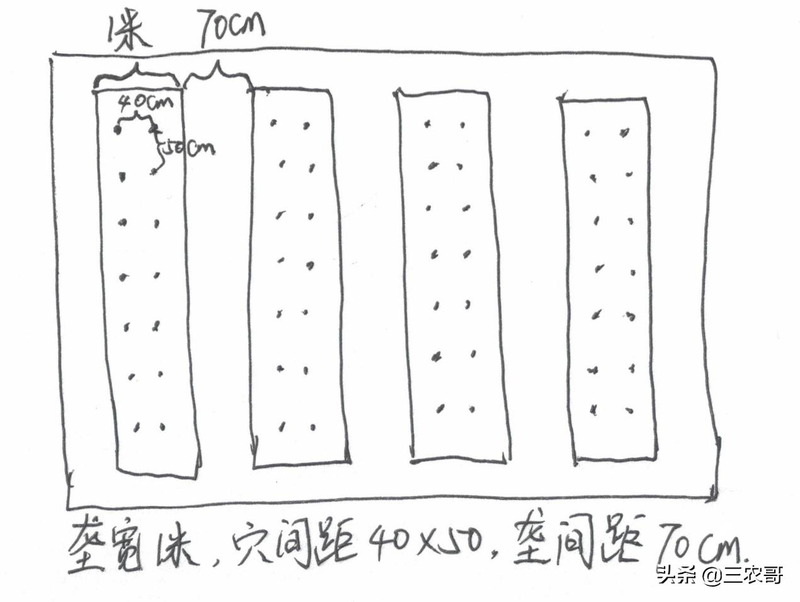
A map of the bean's opening
A qualified friend can add 2. 5 tons of farm fat and 50 kg of organic compound fat to the land. When conditions are lower, the land rises and fertilizes in the pits with 1. 5 tons and 30 kg of organic compound fertilizer per acre。
It is possible to repenetrate, but when seeding, it should be punctured at the seeding den, which should not be covered directly. It can prevent weeds from burning with membranes。
(ii) seeding
Because of the small size of the soybeans seedlings, direct seeding is recommended. There are three ways to sow it: on-demand it is recommended to sow three to four seeds per den。
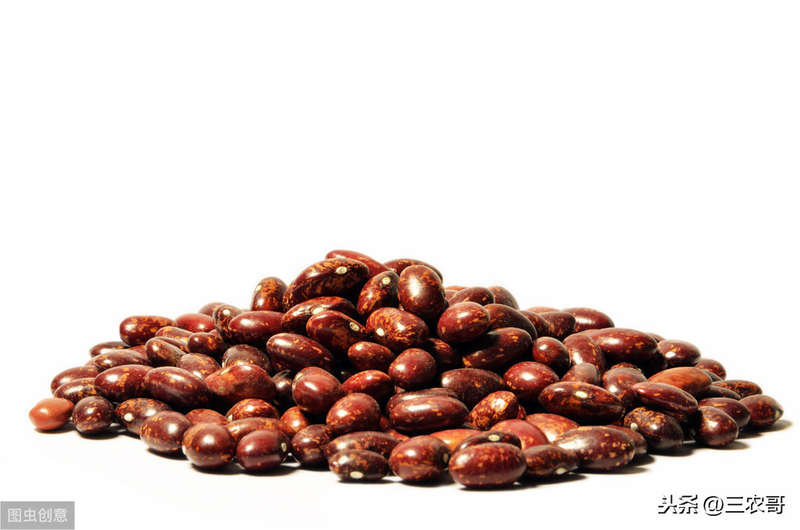
The soybeans seed
Seeds need to be disinfected before seeding. Ploughing is done with multibacterium, which is recommended as a percentage of seed weight: multibacterium = 200:1, i. E. 2. 5 g polybacterium fusion of seeds. In practice, polybacterial spirits can be converted to 50% solution。
The seeds are sowed in caves and then buried 3 cm thick with soil。
(iii) shrimp management
The soybeans are not suitable for excessive water use. After growing, seedlings are developed and fed according to the actual situation in the field。
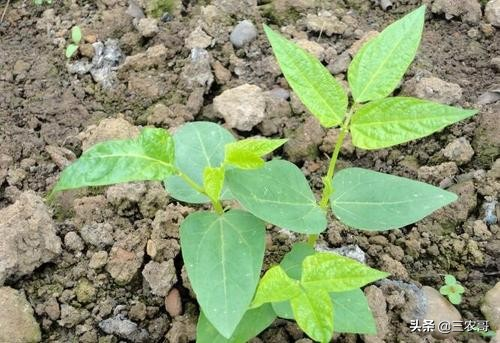
The soybeans
As a result of the planting of three to four seeds per den at the time of planting, two larger seedlings were selected as a reserve and the rest were removed。
In order to meet the demand for production, replanting or replanting seedlings is recommended as a supplement/supplied seedling。
(iv) literation
Bean yields are high and, if a top-tip approach is required, the barbed wire is needed at higher cost. This is usually done in the form of poles。
There's also a variety of ways to set up, the "x" type, the "human" type, the "poo" type. Based on sanno's own experience, the x-type frame is recommended. The length of the pole is suggested to be 2 metres, with some varieties requiring 2. 5 metres, and the intersection of "x" is located at 30 centimetres below the top of the pole, as shown below。
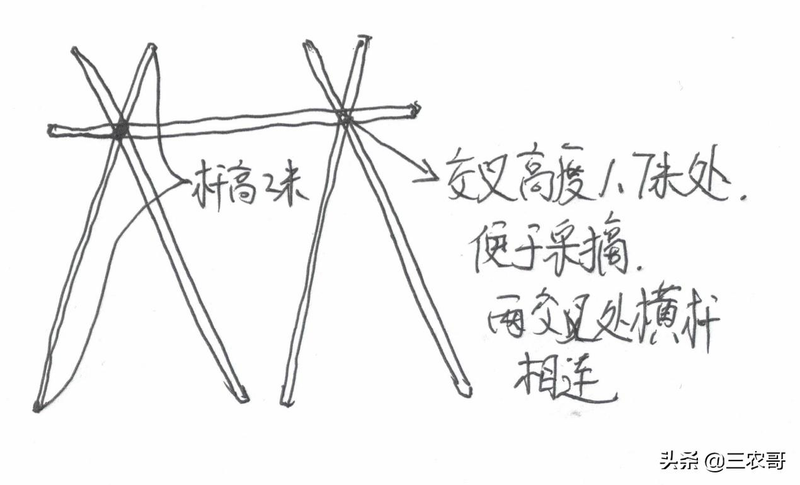
A map of the soybeans
This way of putting together is both solid and profitable. The beans can rise up along the pole, more than two metres above, and grow along the pole in bends. The pole is 2 metres high, but is actually built at a vertical height of about 1. 6 metres, which is very good for extraction. At the same time, each cavity of bean is splattered and less affected by bad weather。
(v) lead the whole chicken branch
When the bean grows to 15 centimetres, entangled vines begin to appear at the top. At this point, it is necessary to lead the vines manually up and down the frame, leading each lasagna to the frame, which can be bound by a string for the preceding period。
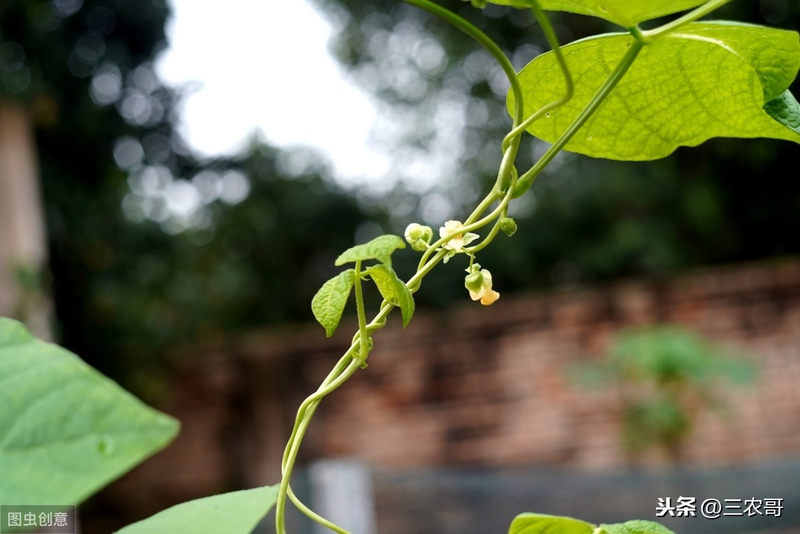
The bean entangles the vine
It is worth mentioning that manual guidance takes place in the middle of the day, which is softer and easier to break。
During the growth of the bean, especially after the twig, the bean leaves are often collated. Old, yellow, sick leaves are to be removed from the bottom of the bean, and the wiring is to be brought out of the field。
(vi) collection
The harvest of bean beans depends on the actual situation and is usually appropriate about 10 days after the flowering has ended。
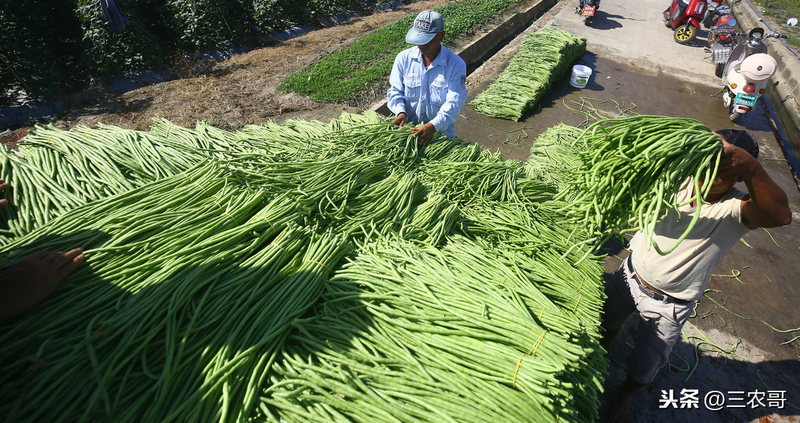
The soybeans
The pick-up time should be early in the morning or late in the evening, the general principle being that when temperatures are low, especially those friends who have to take themselves to the market for sale, sanon suggests that the pick-up should be completed by 5 a. M。
Iii. Common diseases of mussels for disease control include rust, mold and atrophy。
Decay is primarily caused by a combination, so the planting of beans avoids such a combination and is a reasonable rotation. In addition, multi-bacterium seed processing is an effective means of preventing atrophy。
The main reasons for this are the high wetness of the soybeans field, which has two possible aspects, namely, excessive and frequent watering, resulting in heavy wetness, and the high density and small gap between the sides, so it is important to look at the beginning of the section, which leaves a distance of 70 centimetres, which is also considered reasonable by sano after he has grown many times。
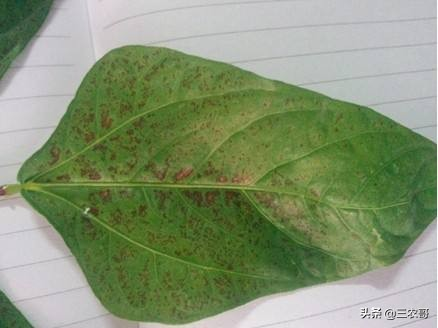
Rusty tofu
The disease is primarily prevented, and there is no need to panic if you are not careful。
In the early stages of the atrophy, 200 ml per week was applied to the den for two weeks, using 800 times the methyl tobzin or 500 times the polybacterial spirit. No further treatment at a later stage, immediate extraction and removal。
Both moldy and rusty disease are the corresponding drugs, and they are sprayed with 900 times the doroxin or carcinol and 75 per cent with 600 times the mercuric acid。
The most common pests are small tigers, borer worms and red spiders。
Let's see what these three brothers look like。
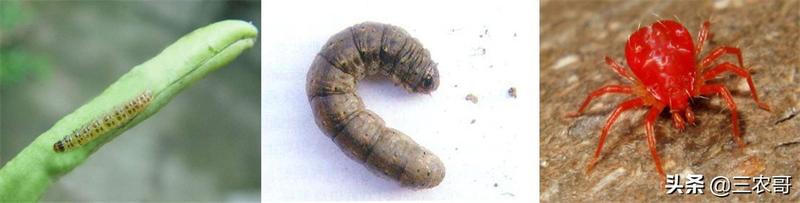
The bean endangers the three brothers - the drill bug, the tiger, the red spider (magnify) (left to right)
Small tigers are mainly hazardous to the larvae seedlings, and adult insects can be lured to death by insect trappers, and larvae can be treated with fungus sucum。
The control of drill worms is particularly important as they are more harmful to bean bean nuts and have a serious impact on quality and on the price of their sale. Biopesticides, such as bt emulsants, white fungus, etc., can also be used for drilling heartworms。
In the field of red spider prevention, which is largely expansive, while red spiders are wind-borne, the response is to treat the field as a whole, with the direct use of fruit and mites, with special attention to the pesticide use of red spiders and the need to spray the back of leaves。
All of them recommended the use of biological pesticides and, if necessary, low-toxic pesticides。
Iv. Key elements of high productivity
In addition to rational planting and pest prevention, the control of fatty water is a top priority。
(i) fertilizer control
What are the symptoms of lack of several fertilizers? I made you a table。
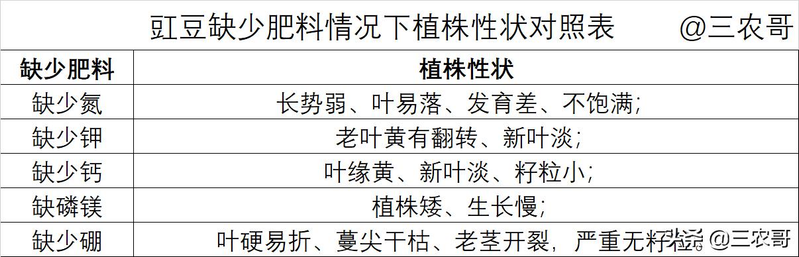
Plantation control in the absence of fertilizer
Therefore, fertilizer control is important for the beans, which directly affect their production。
For trace element types, magnesium and boron are missing and can be sprayed with magnesium sulphate and beam water。
For potassium nitrous phosphorus, bottom fertilizer applied throughout the field is very important
A further recommended approach is to follow up on fatting after the garb. About two days after the end of the initial flowering period, the acres followed farmers to 1 ton and 10 pounds of compound fat. For qualified friends, it is recommended that the flowering period after each batch be followed by the above. Without farm fat, it can be done with 15 kilos of urea and compound fat。
(ii) water control
Water control, in times of drought, could be your magic in the market。
There is a principle of water control, and sannon has a truism for you: in the earlier period, more and more water was planted in the saplings, flowers were sprouted for water, broods were swollen and flowers were sprung for water。
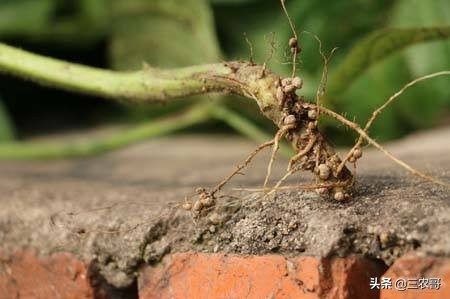
Root tumor
It is quite understandable that due to the presence of root tumors, it is not appropriate to have too much water in the early stages, which is much lower in the later stages because of the high demand for water as a result of flowering。
Since the root of the soybeans is strong and has many roots, it is necessary to refill the water and not soak it into the earth, so that it is necessary to plant it。
The last three are a combination boxing, which can also be seen as a rotation. For each harvest, the new flowers start with water. Fields may be used for flooding, but it must be noted that only water can be drawn into the trenches, so that irrigation can be immersed, and not all of it。
Finally, it is worth mentioning that all water is pumped when the temperature is appropriate, and that water is not pumped after the temperature is too high or the sun tans, to prevent the damage of the steam plant。
Concluding remarks
Access to high-yielding technology for bean beans has been instrumental in raising incomes。
This vegetable is of special interest to sannon. Not because i love it, but because it gives me a lot of money. One year of drought, as my family was close to the river, had a pump to pump, and the gains from my soybeans production that year had not been exceeded. At the same time, beans can be combined with maize, sorghum, etc., to increase unit land revenues。
In addition, sanno has previously experimented with the fact that the preservation of bean bean nuts at constant temperatures is usually only about 4 days, while their preservation at around 10 degrees can be extended to about 12 days, with large-scale growing friends able to refer to it。
That's what i'm trying to do for you。
The author's summary: sanno, 80 years later, agriculturaler, born in rural areas, older than farming families, at the institute of agriculture, regularly shares knowledge of the three agriculture-related issues。



