


1 tomato per day
Is it really white
The answer might disappoint you, not. Although tomatoes contain vitamin c, they do not mean that they can be white。
First, the vitamin c content of tomatoes is not high, at 14 mg/100 g, and it is not high in large cabbage, at 37%。
Second vitamin c, although it inhibits the activity of the chesamate and the transformation of chesaine into melanone, is mainly for external use, and there is no evidence that vitamin c ingested through food can be white。
So, in summer, it's mostly sunproof. As for tomatoes, it is still recommended that you make ketchup and increase the absorption of tomatoes. Although it cannot be expected to be white, studies mention that daily intake of a certain amount of ketchup can significantly reduce the incidence of female skin sunburns and protect the skin。
Images of copyright in the library, reproduction of use that may trigger copyright disputes
Besides, even though tomatoes have a low vitamin c content, if they eat one tomato a day, they can provide us with 14 to 28 percent vitamin c, the most valuable of which is that tomatoes can eat directly, avoiding the damage to vitamin c from cooking。
In the market, there are also some varieties of tomatoes with high vitamin c content, such as tomatoes with up to 34. 17 mg/100 g vitamin c. Adequate vitamin c intake can help us maintain normal immune functions and protect skin health。
So, one tomato a day, though it won't make you seven days white, but it'll have other unintended benefits for the body
Nutritional advantages and health benefits of tomatoes
Tomatoes are also called tomatoes, but it was originally a bush growing in the desert area of the west bank of south america, initially with small fruits and bitter tastes that are not good at all. The mexicans then started to cultivate tomatoes, which have changed over time, and are now the food of the world's greatest producers and producers. What other nutrients, other than vitamin c, are so popular
Potassium ore: potassium levels in tomatoes are good, at 179 mg/100 g, higher than the levels of cabbage, and are foods of high potassium low sodium, which can help control blood pressure。
However, researchers at nakayama university have recently published a study on the relationship between tomatoes and blood pressure. The study shows that there is a j-shaped relationship between tomato intake and hypertension, with 10-13 grams of tomatoes per day at the lowest risk. This amount is equivalent to about one ordinary tomato per week. As for the reasons for the negative effect of eating too much tomatoes on blood pressure, the study analysed possible links to tomato alkalis。
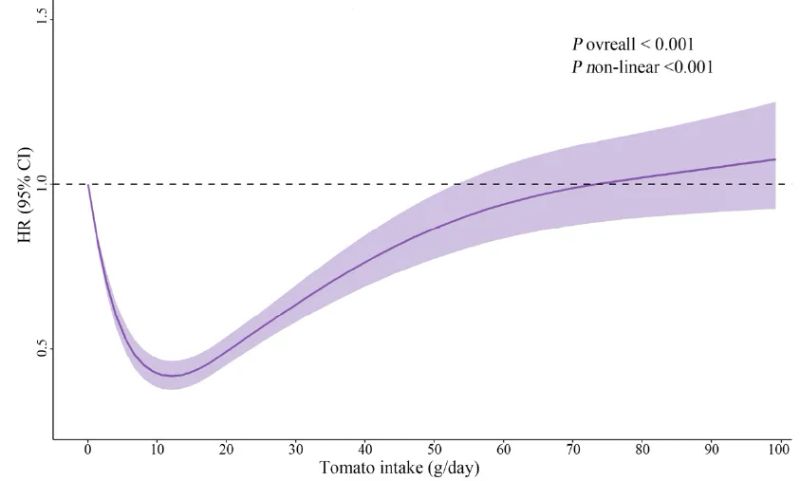
Source: authors available
If you're under high blood pressure, and you care about the results of this study, you eat one tomato a week. If they are healthy, there is no need to restrain one per week and one per day, with attention to food diversity and multiple aspects of prevention of hypertension。
2. Carrotin: the amount of carrotin in tomatoes is 375 μg/100 g, nearly five times the size of cabbage. This ingredient is good for our eyes and skin health。
3. Tomatoglobin: tomato erythroprome is a form of carrot that is resistant to oxidation, helps us to remove excess free radicals in the body and allows people to stay young; it also helps us to resist inflammation, increases body oxidation stress and helps maintain normal immunity; it also protects cardiovascular health and reduces serum total cholesterol and low-density lipid cholesterol (bad cholesterol). In addition, studies suggest that elevated levels of tomato erythroacin in serum are negatively associated with the adhesive enzyme n-temperium (marks of bone absorption), which reduces the risk of osteoporosis among women after menopause。
The key is that tomatoes are really low in heat, eating directly at least one kilocalorie, eating 15-30 kilocalories, and having a strong abdominal feeling, helping to control appetite and being friendly to diet friends。
How did you get a good tomato
A lot of young people would complain, "the tomatoes are not good anymore, they don't taste like that." it's true that tomatoes are not as good today as they used to be, perhaps because many growers have made the production of tomatoes and their tolerance for transport their main objective. (recall why the tomatoes are getting worse and worse?) the reason has finally been found, but the increase in the taste has been ignored, resulting in most of the tomatoes now having high acidity and hardness and insufficient sweetness and aroma。
The taste of tomatoes is affected by a number of factors, and it is recommended that the following references be made in order to obtain good tomatoes。
1. Cultivated environment: there are significant differences in the smell of tomatoes grown in greenhouses and in the field, where light is a major environmental factor affecting secondary metabolites such as pigments and flavoured substances, where tomato light is less abundant than in the field, and where the smell is lower than in the field。
2. Season: spring-spring tomatoes over autumn winter tomatoes contain more reductive sugar, vitamin c and tomato erythromatide, and volatilizer composition and content are more abundant, with a relatively better overall taste and acceptability。
3. Maturity: in the process of maturity, tomatoes are regulated by many transcribing factors, subcellular physiological changes and ethylene effects, resulting in a series of changes, increased colour of fruit, gradual accumulation of levels such as beta-carrotin and tomato erythromatin, accelerated metabolism, increased volatilizing material content and increased wind taste. So, the more mature the tomatoes, the better the wind。
If the tomatoes are a little hard, they can be spread over the room temperature. Tomatoes are respiratory variants of fruit that can self-move themselves。
4. Storage conditions: buying tomatoes can reduce the flavor if they are stored in refrigeration. That's because cold storage of tomato fruit causes dna methylification, which leads to lower volatilizer content and lower flavor。
If tomatoes are still hard enough, they can be kept at room temperature; if they are soft enough to be consumed in a day, they can be stored in an air-transmitting box and in a freezer。
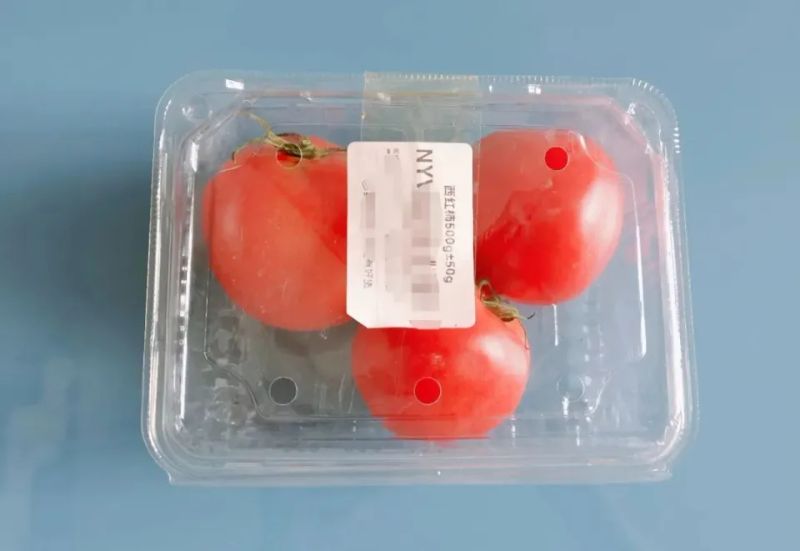
The tomatoes are in the airbox. Source: authors available
5. Varieties: the taste of tomatoes varies from species to species. Researchers have made sensory evaluations of nine different varieties of tomato flavor: provence, antilles, tomato iii, agatha 505, honey 199, flour, hampshire 9, perú, sutaro。
The results show that agatha 505, pfeiffers 9 and provence still scored the highest in a fragrance, provence, agatha 505, puffing sugar, puff 9 and puffing sugar 9 in a fragrance, with the highest in a fragrance, xerox 9, provence, antilles and agatha 505 times; provence, agatha 505 and huffing sugar and huffing 9 are good in juice。
So, in combination, of these nine varieties, the most recommended are the shipping powdered sugar, princess 9, agatha 505 and provence。
These tomatoes can't eat
Tomatoes are good, but don't eat anything. The tomatoes that are formally purchased on the market do not have to be ripe for sale, but the tomatoes that are grown at home may not be eaten if they are still green (except for green varieties)。
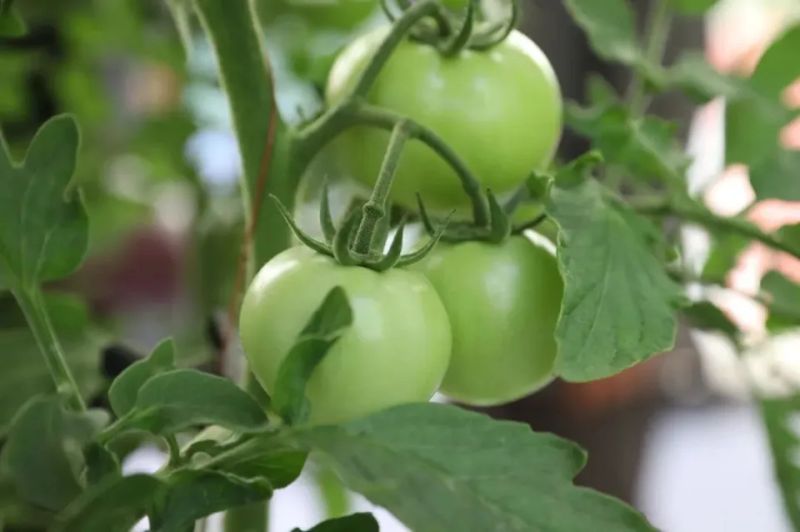
Images of copyright in the library, reproduction of use that may trigger copyright disputes
This is due to the fact that unsophisticated tomatoes contain higher roninoe, also known as algae, which decreases as the maturity of the tomatoes increases. It is highly likely that the infested cyanide tomatoes will lead to poisoning, with symptoms such as abdominal pain, ringing, dizziness, nausea and vomiting, causing severe respiratory difficulties and even death。
Summary:
One tomato a day, not only for health, but also for appetite



