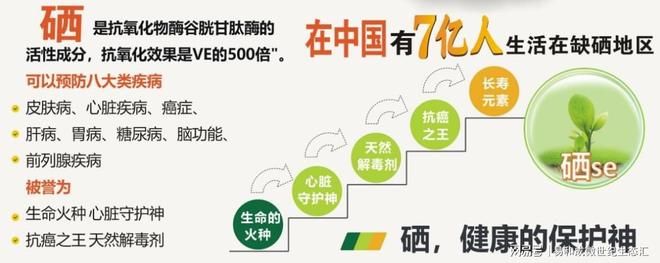
In this era of rapid economic development, as people's standard of living rises, more and more people begin to pursue “healthily and nutritionally”. And the word “rich selenium” has gradually moved into the public eye and became a proxy for healthy food. So, how good is the mulch? Today, we are lifting the “mysterious veil” of selenium-rich food from the perspective of the environmental and health needs of agriculture。
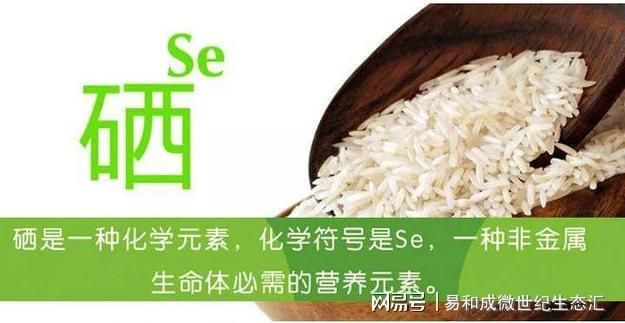
State of the agricultural environment: soil poverty and food security
1. The prevalence of soil poverty
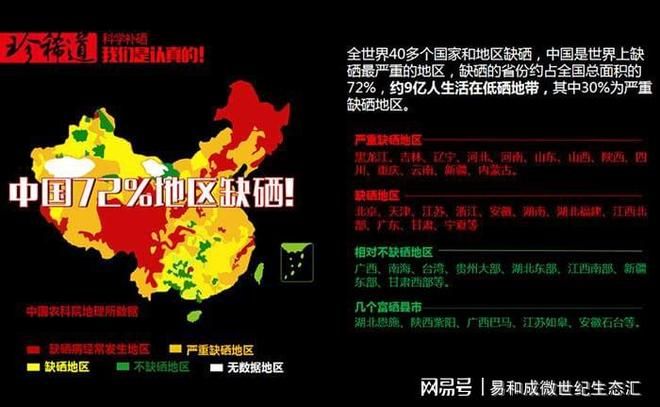
China is a large country that lacks selenium, with over 70 per cent of its soil selenium content being low, especially in the north-east, north-east and south-west regions. The lack of selenium in the soil directly contributes to the low levels of selenium in crops and animal products, which in turn affects daily intake。
2. Environmental pollution and food safety
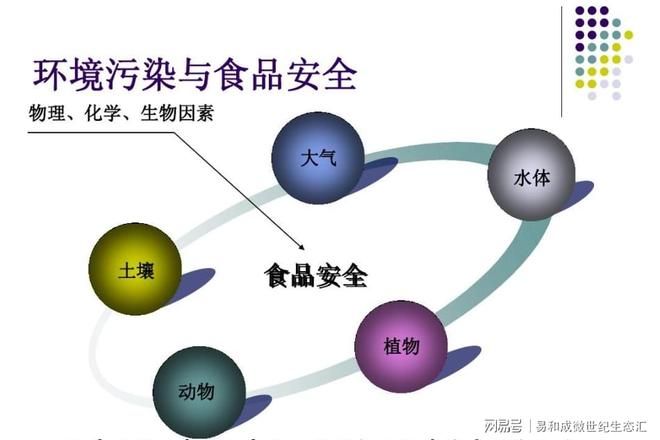
In the process of industrialization, the overuse of pesticides, fertilizers and industrial pollution have led to a decline in soil quality and the biological availability of selenium. This not only affects the nutritional value of crops, but also raises concerns about food safety。
3. Raising consumer health awareness
With increased health awareness, people are no longer asking for food simply to “saturate”, but to “eat well”. Selenium-rich foods, because of their unique nutritional value, are new options for healthy diets。

The health value of selenium: why are the rich beryllium food being admired
The role of selenium, a trace element essential to human health, is reflected in the following:
1. Antioxidation, slow ageing
Selenium is part of a variety of antioxidation enzymes that remove the free radicals in the body and protect cells from oxidation, thus slowing ageing。
Enhanced immunity
Selenium enhances the activity of immune cells, helps bodies to resist bacteria and reduces the risk of infection。
3. Protection of the heart and liver
Selenium is protective of cardiovascular and liver vessels and can reduce the risk of cardiovascular and liver diseases。
4. Promotion of thyroid health
Selenium is involved in the metabolism of thyroid hormones and helps maintain normal thyroid functions。
5. Cancer resistance potential
Research has shown that selenium has some resistance to cancer and can inhibit the growth and spread of cancer cells。
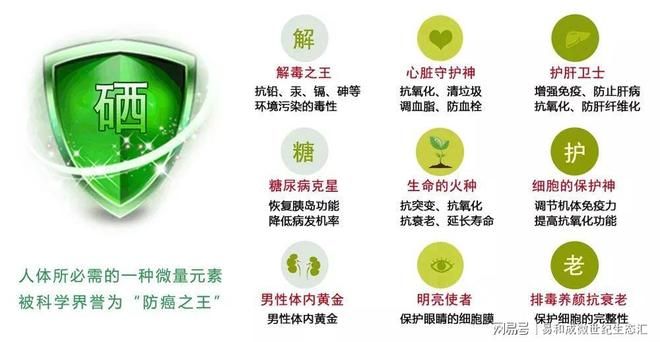
Advantages of selenium-rich food: double security of health and safety
Natural health
Selenium-rich foods supplement selenium in a natural way, such as crops grown in rich selenium soils or animal products fed by rich selenium feed. This approach is not only safe but also preserves the natural taste of food。
Nutritional upgrading
Selenium-rich foods contain 2-3 times more than ordinary foods and are more efficient in meeting human demand for selenium. For example, an egg of selenium is sufficient to cover most of the needs of adults in one day。
Food security
The production process of selenium-rich foods is often more stringent, such as the use of eco-planting, pesticide-free fertilizer farming to ensure food safety and nutritional value。
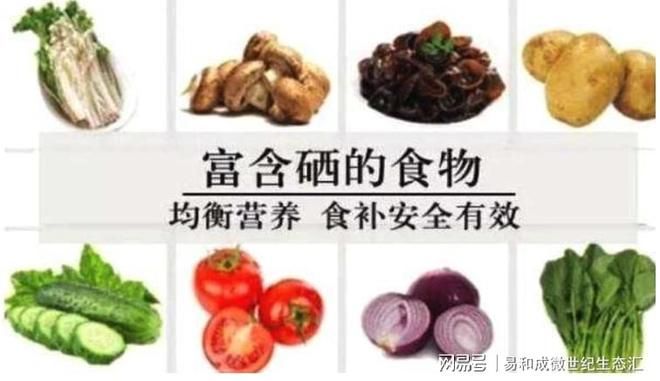
Kinds of selenium-rich food: from agricultural land to table
1. Selenium-rich crops
The amount of selenium is significantly increased through the cultivation of rich selenium soils, such as rice, tea and maize。
2. Selenium-rich poultry products
For example, rich eggs, rich pork, rich chicken, etc., are fed through rich herring feed, and the meat is better and more nutritious。
3. Selenium-rich products
For example, shelium-rich fish, mysid shrimp, etc., are grown through the rich selenium waters with higher levels of selenium。
4. Salmon-rich processed foods
For example, the rich pasta, the rich biscuits, etc. Are processed into easy foods to meet the fast-paced needs of modern people。
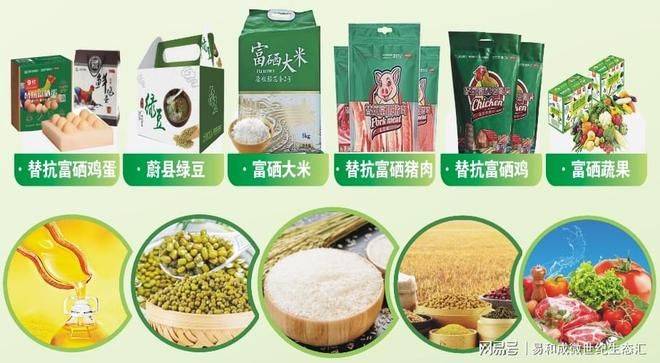
So, why is it considered a good thing? The answer is simple: 'cause it's not just delicious, it's healthier, it's safer. Now, do you know the charm of the mulch? Try and add a healthy and delicious meal to your table