


In general, field cultivation can be divided into two ways: total field cultivation, i. E., traditional live broadcasting, live live live broadcasting, and field-breeding, which is a simple, crude form of cultivation that can only take place during the appropriate growing season (april-july). There are still a large number of -- and some of them are still doing so in our country. The other is semi-surface cultivation, i. E. Protected breeding and field cultivation. This approach, which is often used in spring bean cultivation, can clearly lead to early maturity, early marketing and increased production. This section focuses on the techniques for seeding and seeding。
I'll do the whole thing
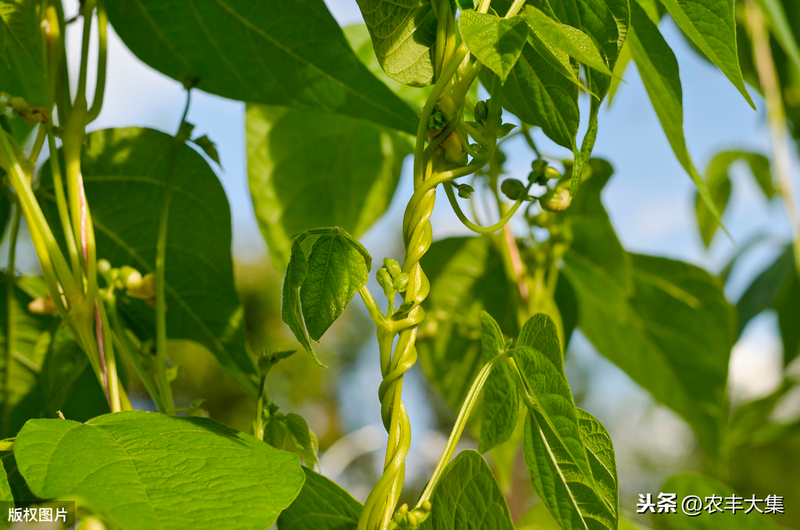
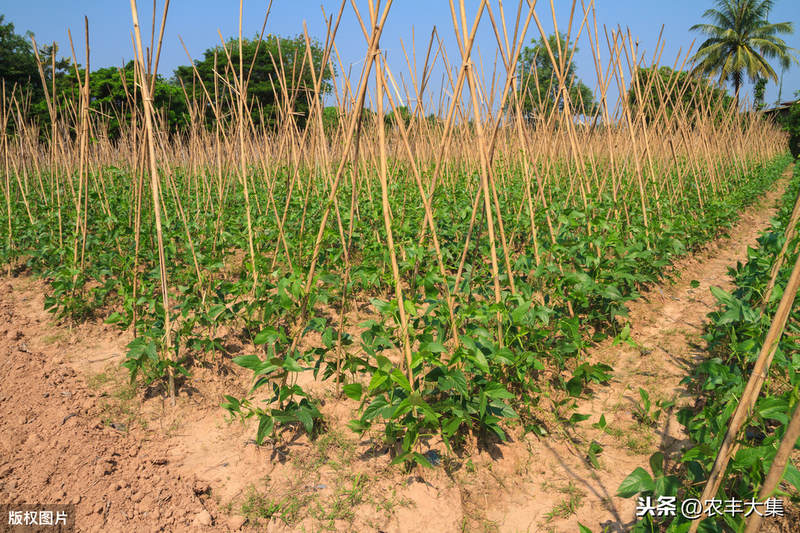
A choice should be made between sandy, viscous, and soil-planted beans with good drainage, with the surrounding ecological environment conforming to national environmental standards for non-hazardous vegetable production. It should be preceded by the avoidance of homogenous crops, which can be used for winter cabbage, radish, leafy vegetables, or frozen land in winter. The land is ploughed to more than 20 cm. There is a certain difference in the demand for fertilizers among different varieties, such as the premature king and the fat 30, which are more fat and must be sufficiently low to avoid premature decay. For every 667 m2, humanly decomposed organic weight of 4000 kg can be used as base fat; also, decomposed chicken manure or school manure of 2000kg, n, p, k, composite fertilisation of 30kg, grass-wood ash of 100 kg, or biopotassium of 1kg can be used as base fat. It is also very effective for vegetable farmers in the changde region to use 50 ~ 75 kg of combined fertilizers per 667 m2 and 50 kg of phosphorus, and 15 kg of potassium to produce bottom fertilizers approximately 10 days in advance, at a rate of over 3,000 kg per 667 m2. The bottom fertilizer can be distributed in front of the ground, or in a ditch or in a cave. There's a difference in the way you're doing it, and the simplest is to do it flat, with a wide-banded tubing. In the yangtze basin, however, high-level cultivation is common. The length of the ditch is determined by the terrain with 1. 4 m wide, which is approximately 0. 3 m wide。
2. Timely planting
Nutritional seedlings are usually established when they grow up to about three twilights, and are pre-planted with a gradual increase in ventilation “precipients”, which should be based on the choice of cold-tailed weather to facilitate the survival of slow seedlings. At the same time, the elimination of seedlings, small seedlings, yellow seedlings, seedlings with small or large leaves or no growth point for injury to leaf defects, and seedlings with pest bites should be eliminated. The method of planting is two lines each and two sides of the same line to facilitate the build-up. Prior to planting, the dens of seedlings were placed at a pre-plant density using a “creasing instrument” (iron-made, like a holer made of cotton earth), which is similar to cotton clay。
If bottom fertilizers are applied to the "caves." it can be applied at this time, but only if it is covered - the earth will be planted - or it will easily lead to the burning of the seedlings. When planting, the seedlings are set in the left hand, with a right index finger and a middle finger on the base of the seedlings, and then with the left hand, with the seedlings and the clays down to the right hand, then the seedlings and the dusts are planted lightly, the seedlings are raised, the seedlings are raised and root water is poured. After a week, it is decided whether to water the seedlings according to the soil conditions。
3. Reasonable secrecy
The density of bean planting has a significant impact on yields. Different varieties, which require different levels of pre-production and total production, have different requirements for planting density, such as the early birthing king, and the requirement of early 30 for proper insulation to allow for high productivity. - like taking a cave distance of 33cm x70cm or so. Each 667 m2 can be set at 2800-3200 dens, at 3-4 seedlings, at 10,000-12,000 seedlings per 667 m2. However, some of the late-cooked varieties, some of the more chickened ones, and some of the larger ones could be properly rared on this basis。
4. Strengthening field management
(1) cultivation
Once the seedlings are alive, they can have a chinese cropping process. It is easy to grow in chinese close to the seedlings, with proper depth between the seedlings and between the rows, which can contribute to the growth of the seedlings ' roots and to the promotion of root tumor activity and their growth. Pre-planted bean beans are very useful for weeding in china。
(2) accompaniment and decorating
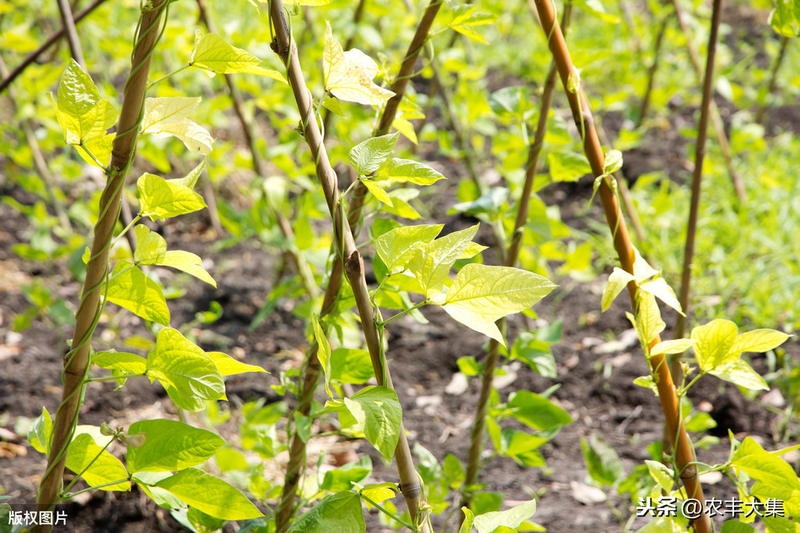
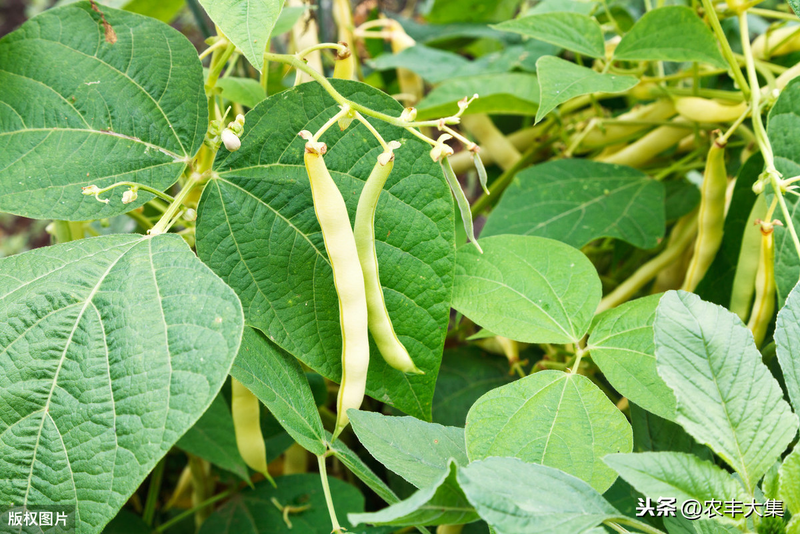
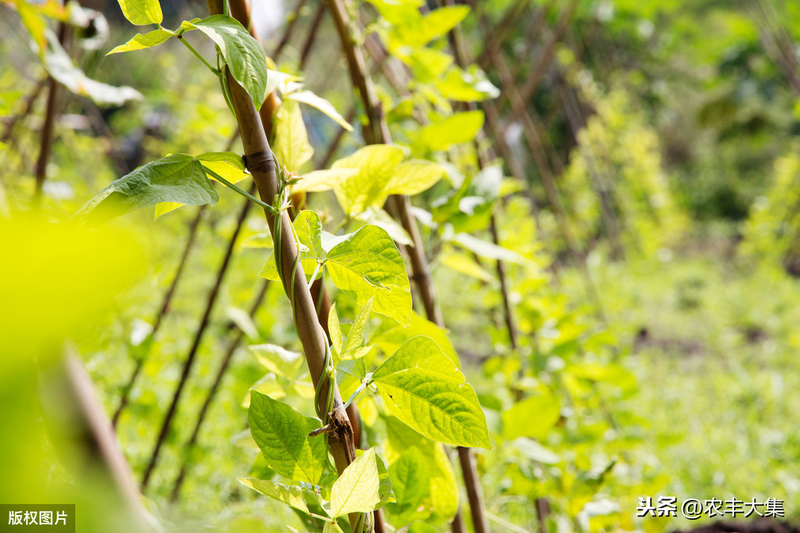
When a seedling grows to around 30 cm, it should be plugged in in a timely manner, otherwise it will be `cooking', with adjacent seedlings entwining around each other, affecting both the normal growth of the seedling and the production of the seedling and making it much more difficult to attract the chicken. The material used for the plugs is typically finer, not less than 2. 5 m in length, and can be used for other similar shelves. There's usually three ways to set up: a fence. I'm sorry.
The fence is one-way, the ventilation is better, but it's less resistant, and it's growing on a large scale. The soybeans are less likely to use this method, and small area cultivation is used. The second is the "person" font. This is a widely used plugin. Each of the two corresponding dens was placed in a single bamboo frame, each of which was in a “human” shape, with 1. 8 m on the top of the frame, bound by fibre ropes or strips. One more crossbar at the rope
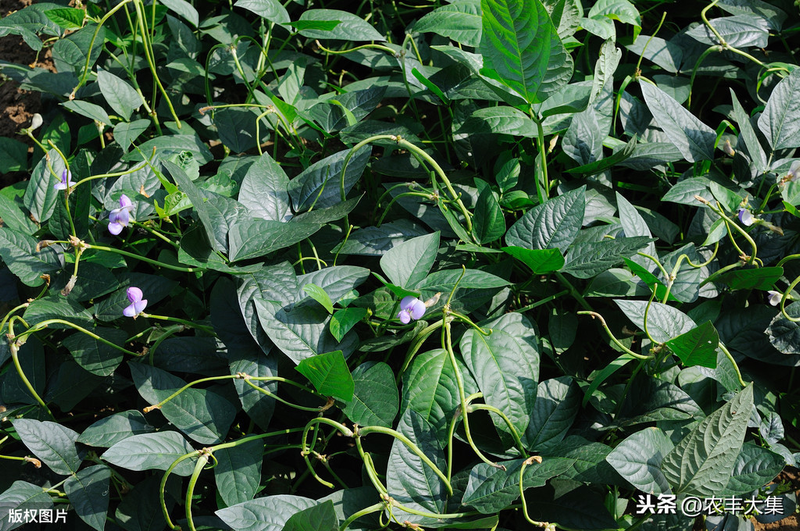
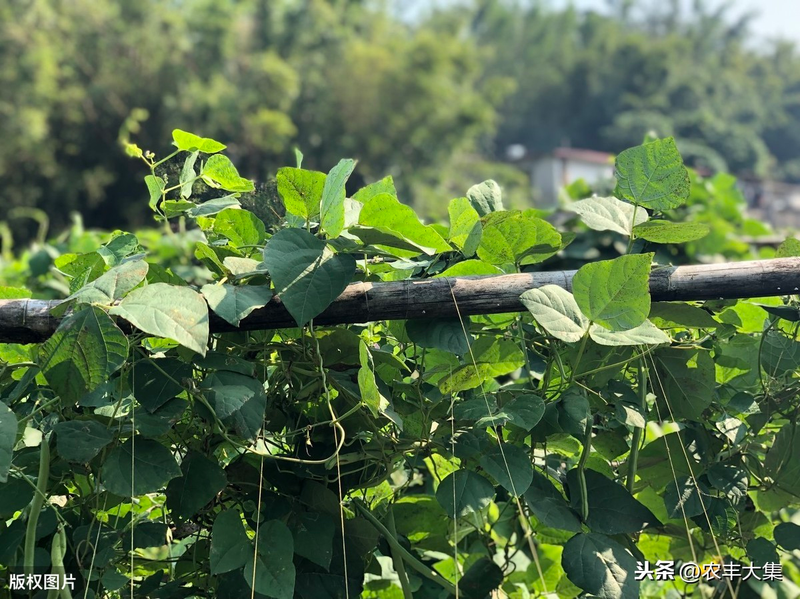
The “human” frames are linked, making each of them a whole. In order to advance -- step up the resistance to the wind, a few bamboo frames can also be attached to each windfall, with fixed connections. The third is the pyramid. Each of the four adjacent temples was placed with a bamboo pyramid placed close to the pyramid at 1. 8 m above. This method has a certain impact on improving ventilation, which is used by some of the vegetable farmers in the fall. When you're ready, you should get chicken in time. When the chicken is drawn, the chicken from the seedling is entangled in the direction of a converse clockwise on the shelf, and, if necessary, the straw may be used to bind it slightly, and the vine may grow up on the shelf itself. In a few days ' time, as the growth rate of the seedlings is not consistent, the unstamped vines may, as the case may be, be directed again。
(3) reasonable whole branch
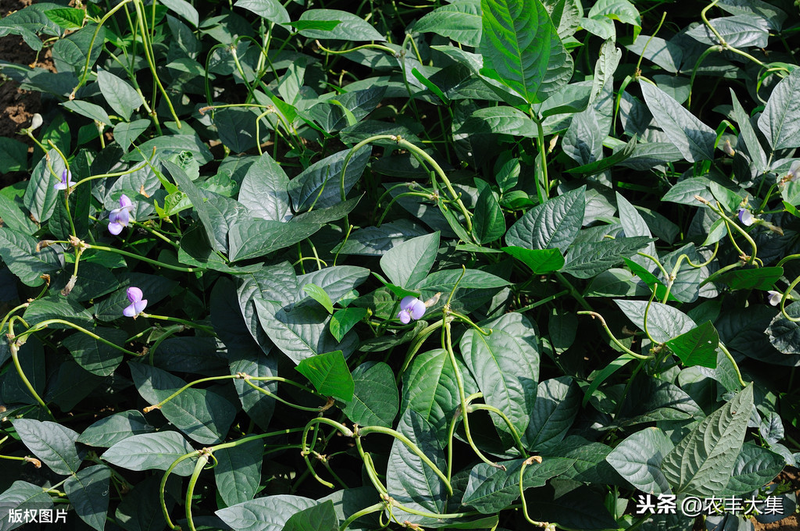
In order to obtain the abundance of beans, priority should be given to balancing nutritional and reproductive growth throughout the reproductive period. After attaining a certain amount of nutrient growth, it is mainly promoting reproductive growth, controlling nutritional growth, so as to facilitate early growth and increase production. A rational whole branch regulates nutritional and reproductive growth. Each leaf of the bean is sprouts, mixed with buds and buds, which can grow when environmental conditions (fertilizer, water, light, temperature, etc.) are appropriate, and therefore must be regulated, in principle, by foliage, which stimulates buds. One way to do it is to take the whole thing, and it's all the same. In addition to the sprouts above, it is clear whether the bud is a leaf (slightly, torch-like, smooth-spreading) or, after the sprouts, the sprouts are erased and preserved。
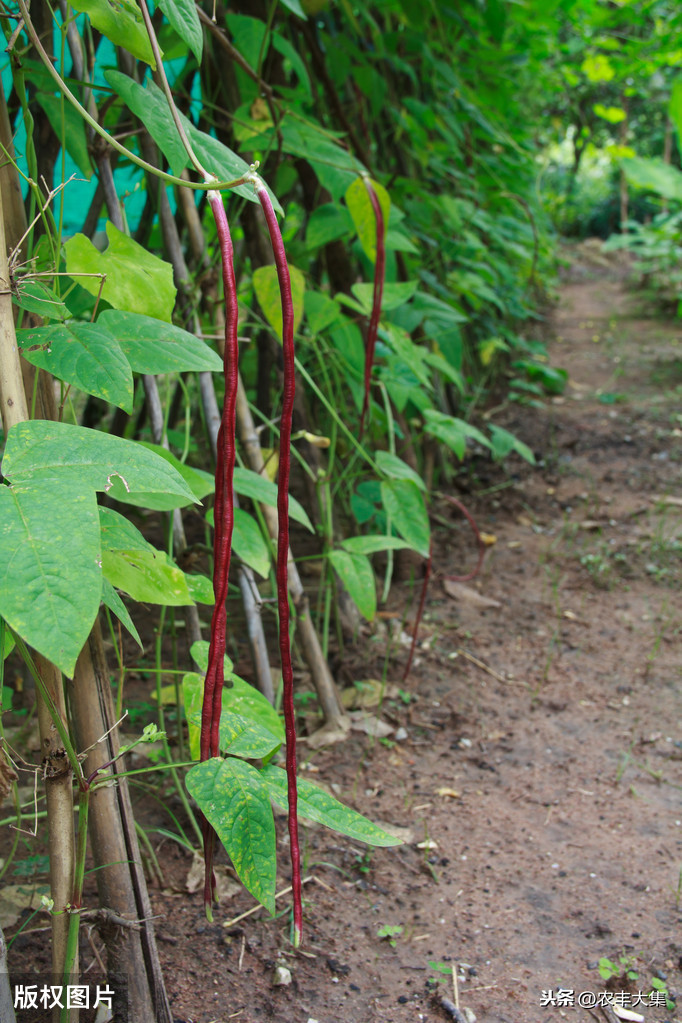
In cases where the side branch has grown and is not sprung in time, a leaf can also be left to the heart, using the first section of the chicken to form a bouquet. The second is to take early care and, when the water is abundant, properly preserve the seed of the leaf, so that when it grows into a branch, one of the leaves may take care of it, which may be used in the case of the chicken. Thirdly, leaves can be removed from excessive amounts of leaves, branches and old and sick leaves, especially from the lower and middle branches, when the nutrients are growing too well and the ventilation is poor. In addition, when plants have a long period of madness, with chickens and tumblers, some vegetable farmers take the approach of cutting them off -- side rooting them -- and can control their nutritional growth to some extent。
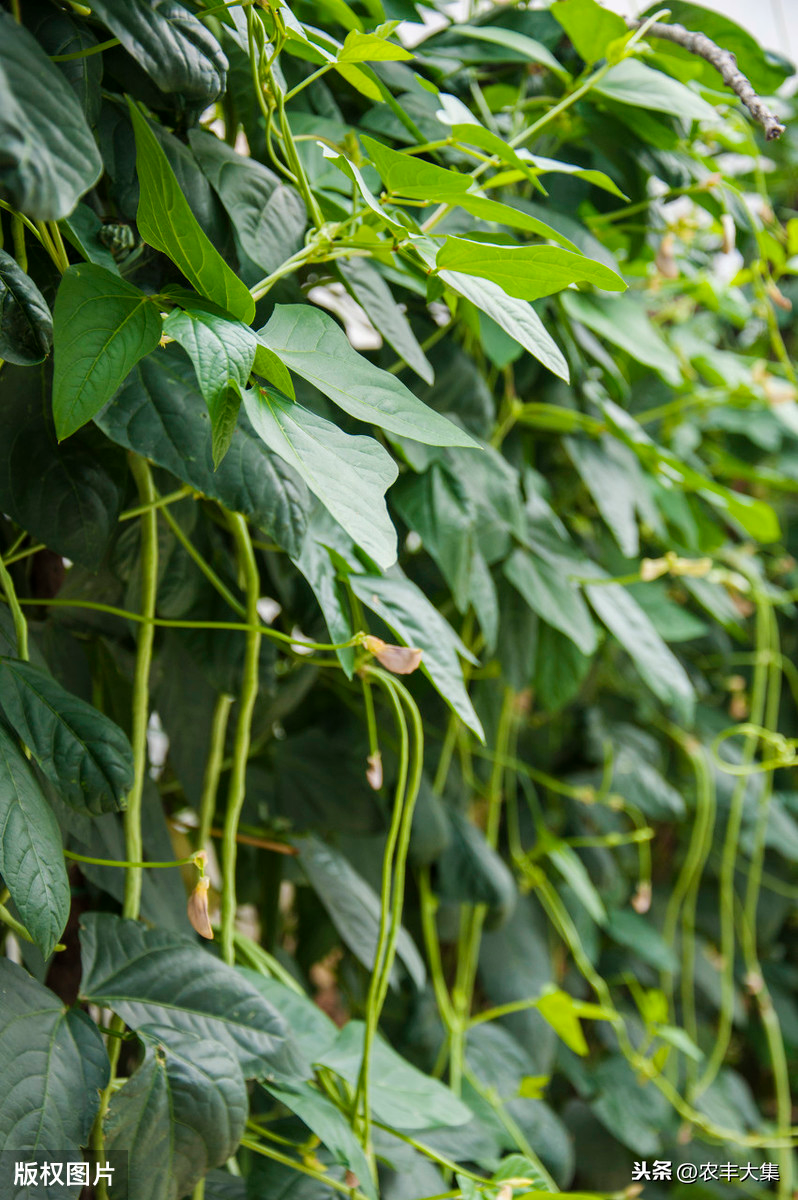
The principles of soybeans management are the application of foot-based fattening, the strengthening of fatting, the pre-prevalence of chickens and the pre-prevalence of plant failure. Despite its roots, helium solidity is relatively weak in soybean vegetables, so that it must be applied to base weights, and long-activated base fats, such as organic and compound fats, should be applied in a general manner, which will help to contain the pre-supplendant and ensure the continued supply of nutrients. When it comes to fattening, it's usually not before the first crotch. Water is not generally watered unless it is particularly arid. In the first bouquet, the first-time water is poured in the next few seasons, the soybean in the lower part of the plant is stretched, and the upper and middle part is watered for the second time. The land is then dried and water is often wet. The principle of fattening is to collect a bean toad once. When base weight is insufficient, the pursuit of fat can be combined with water, usually followed by urea 7. 5 ~ 10 kg/time per 667 m2 or by compound fat 7. 5 kg, and by faeces at 30 ~ 50% concentration. In the case of sufficient base fat, only leaf-faced fats, with key fats, boron fats, urea and potassium phosphate, can be sprayed with some other compound leaf-based fertilizers, and can have the desired effect. During the rainy season, care must be taken to drain water in a timely manner so that it is dry and the surface does not accumulate。
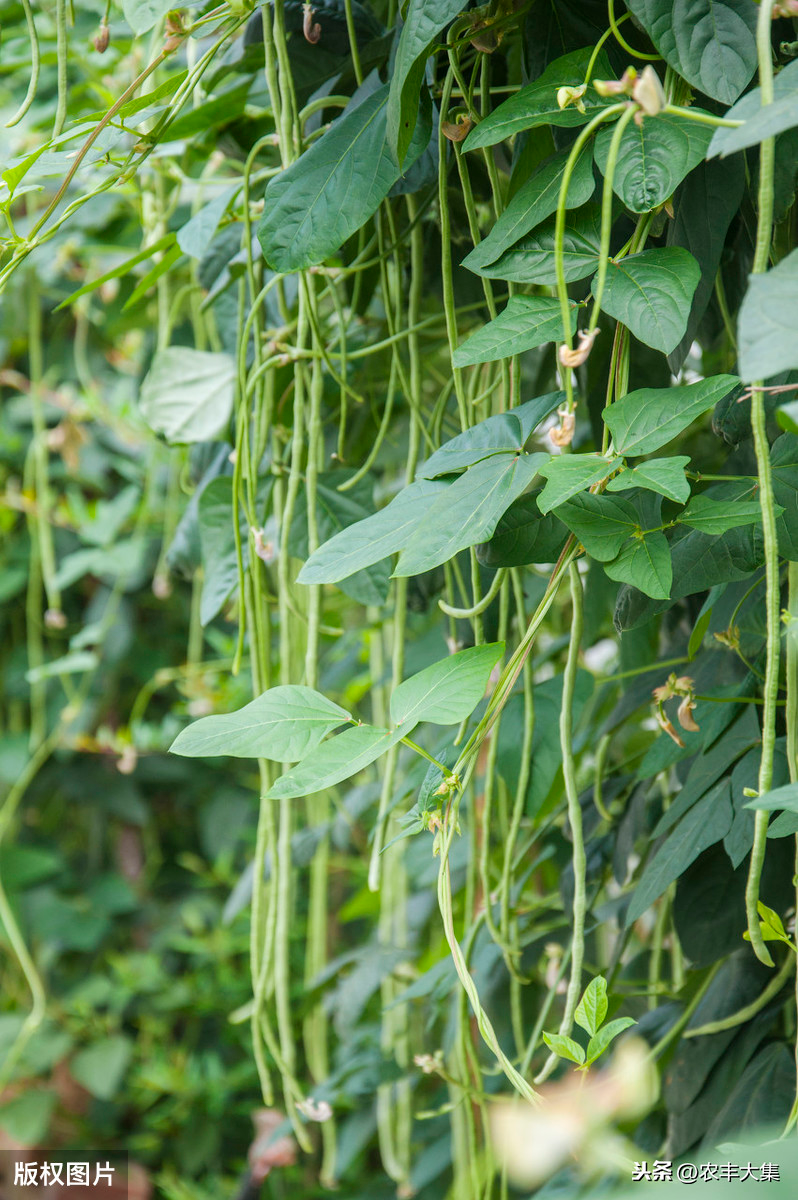
(5) preventing the fall of flowers
One of the most common problems in production is the fall of the soybeans, which tend to be only 15-20 per cent in high-temperature seasons, and the fall of the soybeans, which is a serious cause of mismanagement and which is a more critical factor. There are some differences in the capacity of different species, such as the premature king's coitus rate, which is higher than that of the general species, so that doubles and triples are higher, while others are particularly sensitive to sunlight and have a clear preference for high- and low-temperature adaptive varieties. In terms of environmental conditions, temperature, humidity, light and soil nutrients are key factors that cause flowers to fall. In general, excessive temperatures (above 35°c) or low temperatures (below 10°c) hinder the thawing of flowers, leading to an abnormal development of pollen and a failure to fertilize and to the fall of flowers. When it is wet enough (e. G. In consecutive rainy weather) the pollen does not appear to be normal enough to produce flowers. When there is insufficient light, less luminous plants are planted and stunted, which increases the incidence of falling flowers. Inadequate soil fertilizers or inappropriate nutrient ratios, which distort the nutritional growth of the beans and the reproductive growth balance, are also important factors in the fall of the flowers. For these reasons, the following comprehensive measures can be taken:
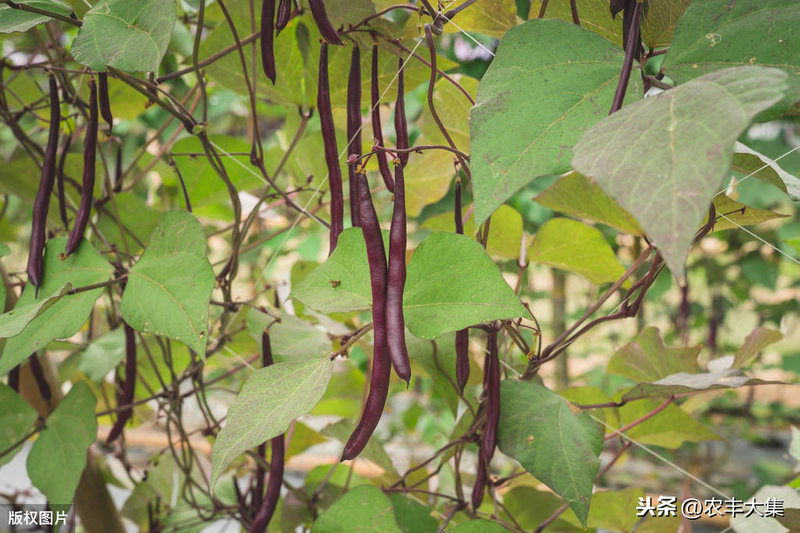
1. Selection of high-quality varieties with high rates of adaptation and condensation
(b) selecting the planting season to allow the growth of the beans in the appropriate season to the extent possible
(c) rationally insulated and well ventilated
(b) strictly mastered and controlled water for use, ensuring that there is little or no supply of it
5. The timely harvesting of fertilizers to facilitate the normal growth of subsequent bouquets
6 use hormonal regulation to prevent falling flowers. The method is to spray phosphorus phenol acetic acid or chlorophenol acetic acid with a ~25 mg/l or 2 mg/l in vasectomy, which has a better effect on preventing the fall of flowers, the fall of quail and increasing the rate of coitus。
5. Timely harvest
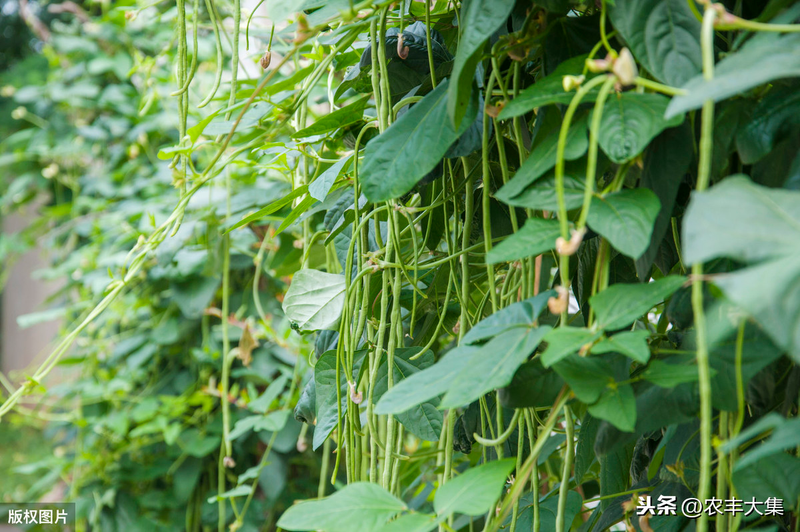
The pick-up of the acupuncture can begin approximately 60 days after spring and 40 days after summer. However, there is a certain difference in the start-up period, such as 52 days after the early birth of wang, and approximately 38 days after the summer, while some medium- and late-literate varieties are significantly delayed. - ... It takes about 15 days for each flower to mature from flower to commercial beans. In these 15 days, the first four to five days are the fastest-growing period for bean beans, the next four to five days are the fastest-growing periods for the horizontal increase of nuts, and the remaining three to four days are available for collection. The pick-up pattern for beans is that they are neither too old nor too old to harvest, but that they should be collected in a timely and continuous manner -- every 2-3 days. The main focus of the harvest is that none of the remaining buds or calves can be damaged, and that they can be cut with scissors along the bean base, and that they can be easily twisted with hands. The criteria for harvesting are that, after about 10 days of flowering, the bean is fully fully developed, the seed is exposed, the skin is bright and slightly glitter. In the case of processing beans, some harvesting should also be preferred。
This is all of today's content, and growers can refer more to it, or they can comment on what they want to know. I would also like you to pay attention to the young editor and the positive message for the comment



