


Landless techniques for leafy vegetables have advantages over traditional soil cultivation, such as higher land use rates, effective avoidance of soil connections, reduced labour intensity and ensuring product safety. Among them, hydroponics, as the main method of soilless cultivation, have been widely applied in the beijing region, with common cultivation models including deep-water drifting floats, shallow-water drifting floats and shallow-flow pipe cultivation. In order to help the parks choose according to their needs, the characteristics of these different cultivation patterns are described in detail。
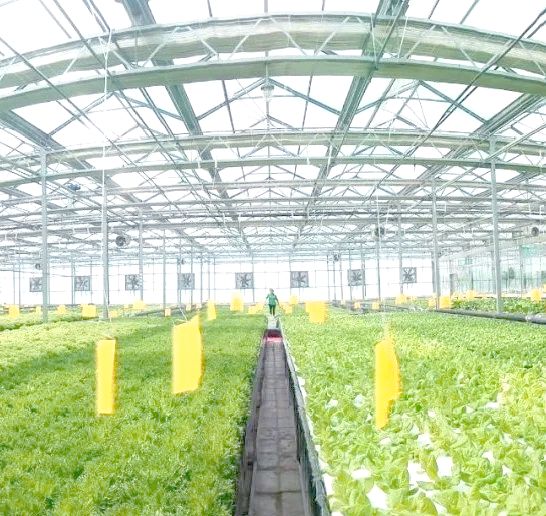
Deep-water drifting floater patterns
Deep-water drifting floater models are an important way of growing without soil. In this pattern, the roots of vegetables are fixed on drifting boards, and the roots can go deep into nutrients to obtain the required nutrients. This model not only applies to the cultivation of various leafy vegetables, but also has the following notable advantages:
Efficient use of space: through deep fluid drifting floats, full use can be made of vertical space for high-density vegetable cultivation。
Easy management: nutrient fluids can be recycled, reducing waste of water resources and facilitating integrated pest control。
Growth environment stability: deep-water drifting float patterns can provide a stable and appropriate environment for vegetable growth and development。
As a result, the deep-liquid drift-board model has been widely applied and promoted in the field of soilless cultivation of leafy vegetables in the beijing region。
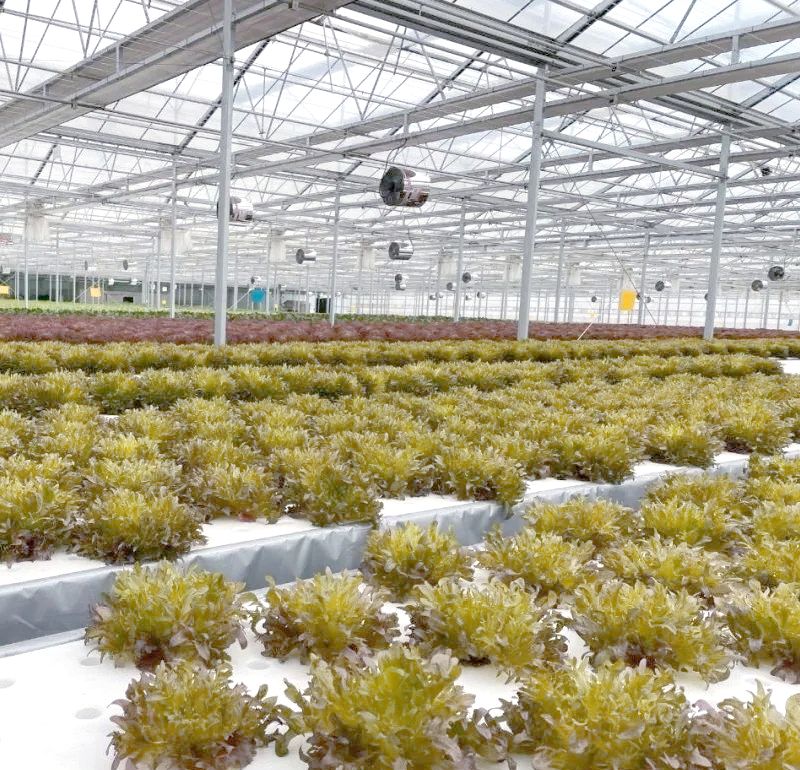
Light-water drifting floats
As a method of soilless cultivation, the shallow flow drifter model differs from the deep flow drifter model. Under this pattern, the roots of vegetables are fixed on drifting boards, but their roots do not go deep into nutrients, but are exposed only to shallow nutrients. This model applies to the cultivation of certain specific vegetables and has unique characteristics:
Simple: since the roots are only exposed to shallow nutrients, management is relatively simple and suitable for use by beginners and practitioners。
Resource savings: lower use of nutrient fluids, saving of water resources。
However, the shallow-flow drift-board model may be somewhat lower than the deep-flow drift-board model in providing a stable growth environment. Thus, the choice of which model to use needs to be considered in the light of specific vegetable needs and planting conditions。
The shallow flow mode
As an innovative method of soilless cultivation, the shallow flow pipeline model differs from the traditional shallow flow floater model. Under this model, the roots of vegetables are placed in pipes, while the roots are exposed only to shallow nutrients. This model also applies to the cultivation of certain specific vegetables and presents its unique features:
Efficient and easy: more efficient flow of nutrient fluids through pipeline systems to provide a stable growth environment for vegetables。
Easier to manage: since the roots are exposed only to shallow nutrient fluids, management is simpler and fit for scale cultivation。
However, at the time of implementation, the shallow-flow pipeline model needs to be properly planned to ensure that nutrients are equally available for each vegetable. At the same time, pipeline systems need to be regularly inspected and maintained to ensure their long-term stability。
Deep flow float model, deep flow technology (dft)
Its trophic fluid depth is usually maintained at 5-10 cm. In contrast, the shallow flow model uses nutrient membrane technology (nutrient film technique, known as nft), which flows in a shallow state of about 5 mm to 1 cm. Both cultivation models, as well as the above-mentioned shallow-flow pipeline model, form the core structure of planting tanks, storage devices and trophic cycling systems, but the design of planting tanks is the main difference between them。
In the deep-flow drift-board model, planting tanks are usually made of materials such as plastic sheeting, wooden boards, steel plates, cement prefabricated or polystyrene foams, which can be assembled into embedded prefabricated blocks and installed on metal slabs. Another option would be to lay bricks on the ground to form planting tanks and lay single or double layers of black and white film inside the tanks to prevent water infiltration. There will also be an additional layer of hard-foamed plastic sheet, approximately 2 cm thick, with fixed implants for vegetable growth。
The advantage of this model is that due to the abundance and depth of nutrient fluids, their concentrations, acidity, temperature and water reserves are relatively stable, providing a stable growth environment for the roots of vegetables. However, as depth increases, oxygen levels in nutrients may gradually decrease, and there is a need for increased circulation or additional oxygen recharge to ensure normal growth of vegetables。
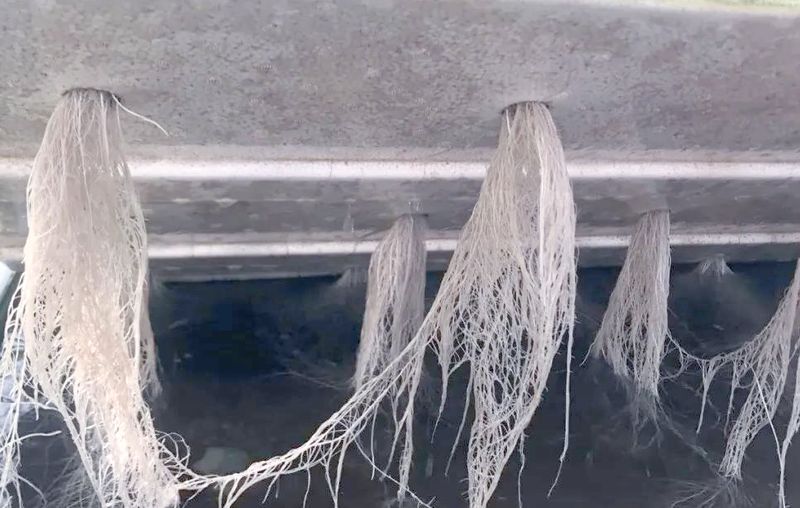
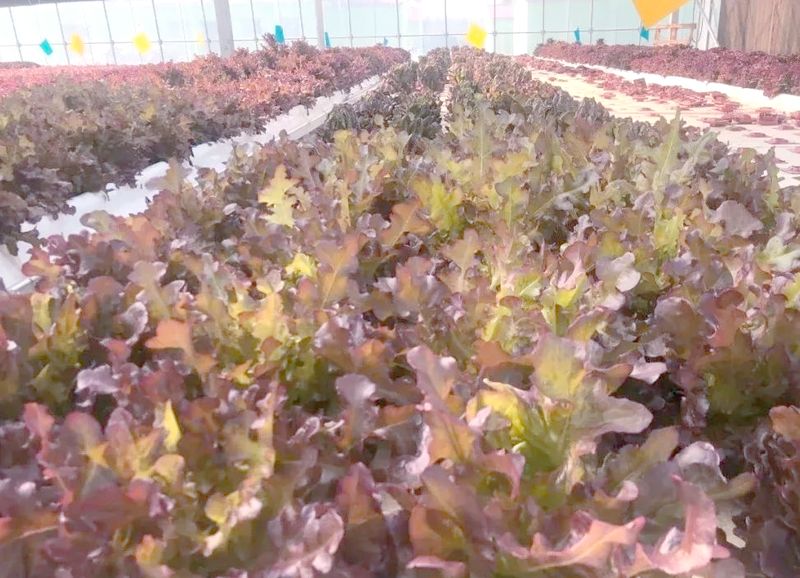
Deep-water drifting floater patterns
The deep fluid drifter model, also known as the deep fluid flow technology, usually maintains a trophic fluid depth within 5-10 cm. This planting pattern is based on planting tanks made of materials such as plastic sheeting, woodboarding, steel sheeting, cement prefabricated or polystyrene foam, and is installed through metal support. In addition, it is common practice to build bricks on the ground and lay single or double layers of black and white film to prevent water seepage. On the troughs, a layer of approximately 2 cm thick hard-foam plastic sheeting is covered, with fixed implants to allow vegetables to grow. The advantage of this model lies in its stable growth environment, but, as depth increases, oxygen levels in nutrients may gradually decrease, requiring measures such as increased circulation or additional oxygen recharge to ensure normal growth of vegetables。
Light current floater mode
The shallow-flow drift-board model uses plastic-based fixed plates or bellows made of materials such as cement, glass and steel as substrates, all of which are mounted on metal shelves and form a certain slope down, usually 1:100 to 1:75. On the trough, a layer of hard-foam plastic sheet, approximately 2 cm thick, is covered with a fixed implant to ensure that light is not passed. In addition, at the base of the tank, a non-swipe sheet will be prepared to optimize water intake and ventilation of plants. Under this model, the roots of crops are mostly netted and exposed to the wet air of the planting tanks, thus effectively addressing the oxygen supply problems of the roots. It should be noted, however, that root temperatures are vulnerable to indoor temperatures, especially in winter and summer, and may require nutrient-enrichment or cooling equipment. At the same time, crops may experience atrophy due to water shortages in the event of power outages or water pumps malfunctions that prevent the timely circulation of the fluid。
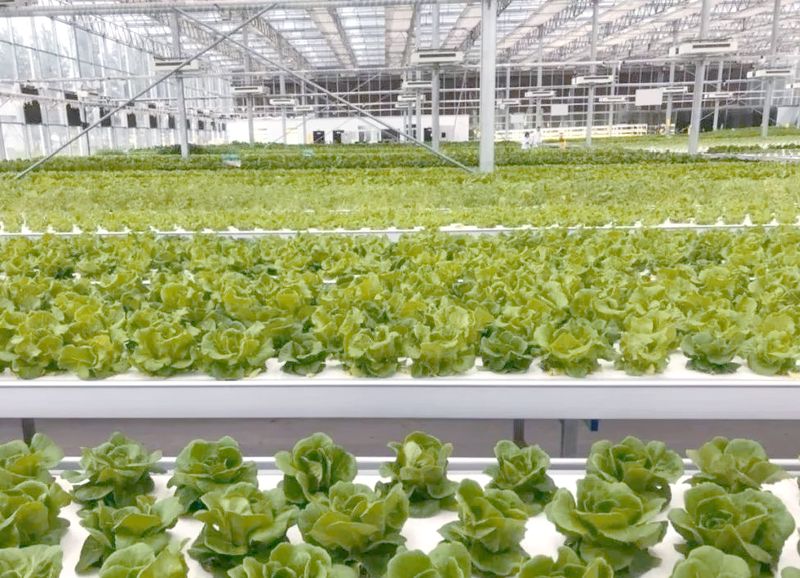
Light current floater mode
An innovative farming technology, through sophisticated design and material selection, provides a good growth environment for crops. The model uses fixed panels or bellows made of materials such as plastic or cement, glass steel, etc., as substrates, which are firmly mounted on metal shelves, forming a certain slope, which facilitates liquid flow and crop growth. On the slots, a layer of hard-foamed plastic sheeting, with well-designed implants on the plate, ensures the lack of light and creates a suitable growth environment for the crops. In addition, water intake and ventilation conditions for plants have been further optimized by the unwieldy clothing of pads in the base of the tank. Under this model, the roots of crops are presented in mesh form and exposed to the wet air of the planting tanks, effectively addressing the oxygen supply problems of the roots. However, root temperatures may be affected by indoor temperatures, especially in extreme weather conditions, and nutrient-enrichment or cooling equipment is required to maintain the appropriate growth temperature. At the same time, in order to ensure the continued supply of water to crops, immediate measures should be taken to avoid crop atrophy due to water shortages in the event of power outages or water pumps failure that prevent the timely circulation of liquids。
Light current pipe mode
The shallow flow pipe model uses an pvc tube with a diameter of 50 to 110 mm, or a special 80 to 120 mm multiplied by 60 to 80 mm pvc tubes, tailoring them to the appropriate length according to demand. On the planting tube, a well-defined pore of 3 to 5 cm in diameter is set at a range of 12 to 20 cm. These planting tubes are placed in an orderly manner on metal slabs, resulting in slopes ranging from 1:100 to 1:75 to facilitate the smooth flow of liquids and the healthy growth of crops。
The advantages and disadvantages of this model are many similarities to the shallow-flow drift-board model. It is worth mentioning that it also provides greater flexibility to adjust pipe spacing to the distance of different crops and to the age of their seedlings, and even to achieve stereoculture and further increase land use。
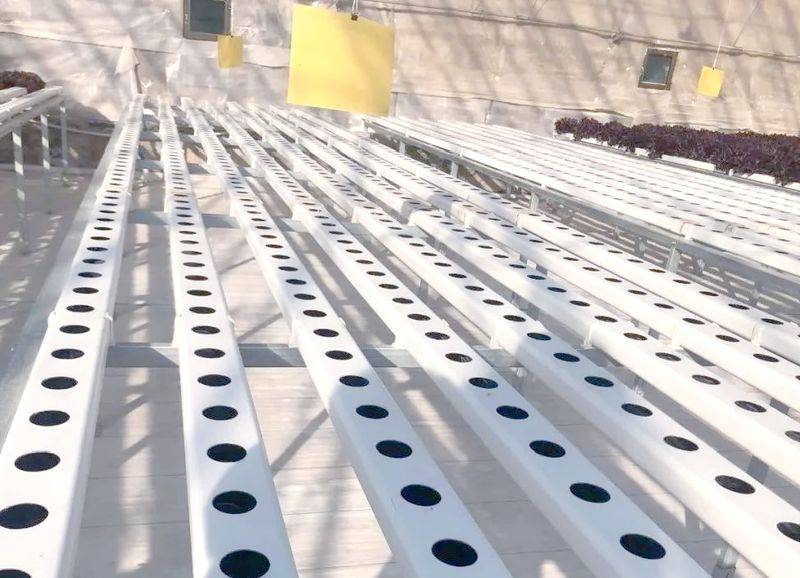
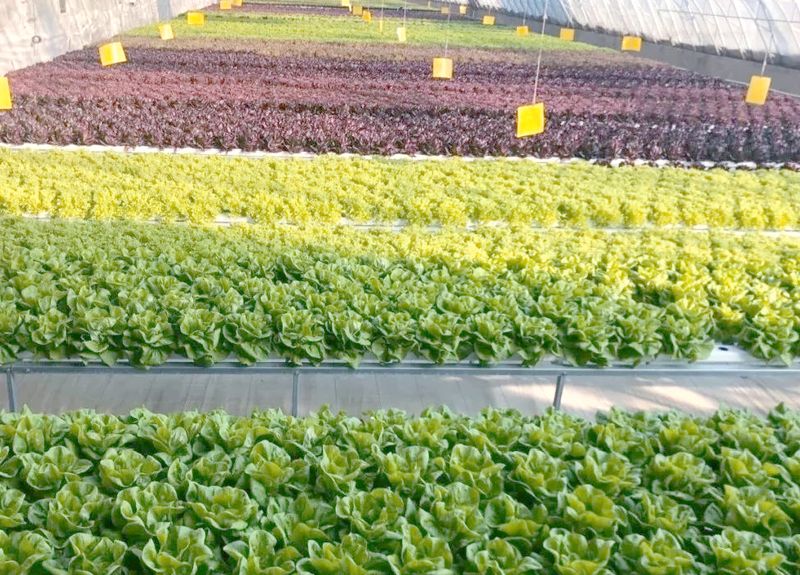
Light current pipe mode
In the light-flow pipeline model, the liquid storage unit usually uses a pool or a direct use tank, and its location is generally below ground level. Such a design would not only facilitate the smooth flow of nutrients back to the reservoir (cans) from the planting tanks, but would also effectively maintain the temperature of nutrients and reduce the impact of external temperatures on liquid temperature. The nutrient control cycling system in this model, which consists of pumps, pipes and nutrient control equipment, achieves precision supply and recycling of nutrients. In addition, some advanced parks are equipped with automatic supply of enriched nutrients, heating of nutrients, cooling and disinfection, which further enhances the intellectualization of production. In the beijing region, the average production of water-breeding vegetables during the anniversary was over 30 kg/m2, a five-to-five-fold increase compared to traditional facility soil cultivation. At the same time, the average water consumption per kilogram of vegetables is only 1/5 to 1/2 of the water used by traditional facilities for planting drip irrigation, which not only increases production efficiency but maximizes ecological efficiency。



