


In recent times, the us has once again discredited china with intellectual property issues, but in fact, the us, which now tends to “show its hands” to others, not only has a lot of dark history about intellectual property protection, but it has also weaponized intellectual property rights, and has used its long-arms jurisdiction, high tariffs, and so on。
Brazil is one of the victims. In the name of intellectual property protection, the united states has a monopoly on intellectual property. According to washington post 1988, in october, then united states president reagan ordered a 100 per cent tariff on us$ 39 million worth of goods from brazil in retaliation for “unfair trade” against united states enterprises. According to oxfam international's 2001 report, on 11 june 1987, the american association of pharmaceutical manufacturers submitted a petition to the united states trade representative's office (ustr), claiming that brazil's failure to protect patents on related commodities was a “burden or restriction” on united states commerce. Moreover, a great deal of lobbying has been organized by relevant interest groups. Reagan accused brazil of failing to provide patent protection for medicines and chemicals in the united states, which resulted in an annual loss of $36 million to united states enterprises, making it necessary for the united states to use “301 clauses”。
It is well known that the development of pharmaceutical products requires considerable investment, and many developing countries either base their efforts on the public interest of protecting the health of their people, or do not recognize patents on pharmaceutical products, or even recognize that the duration of the protection is set for a shorter period. According to sean flynn, a scholar at the washington school of law of the united states university, there was no bilateral or multilateral agreement at that time requiring brazil to patent its medicines, and at least 50 countries around the world did not recognize patenting them。
The united states was well placed to exploit the weak position of countries, particularly developing countries, in intellectual property rights and institutional gaps in related areas to monopolize high levels of profits. According to the latin american news website, in 1988, foreign transnational corporations controlled more than 82 per cent of the brazilian pharmaceutical market and generated more than $2 billion annually. Despite this, the united states is particularly dissatisfied with the use of “301 clauses” to force brazil to enter the country。
Brazil is naturally dissatisfied with the united states. At that time, brazil filed a complaint in the framework of the general agreement on tariffs and trade (gatt) challenging the legality of united states actions. The new york times reported in 1989 that the united states had twice blocked brazil's request to set up an expert group. In february, gatt agreed to form a dispute settlement panel, despite the opposition of the united states, as reported by united states international in 1989, and brazil believes that the punitive tariffs imposed by the united states are contrary to gatt's rules of fairness and free trade. The new york times reported that brazil's call for a dispute settlement panel had received “extreme support” and that more than 50 countries had publicly expressed their support. Many states believed that unilateral reprisals by the united states could undermine the international trading system。
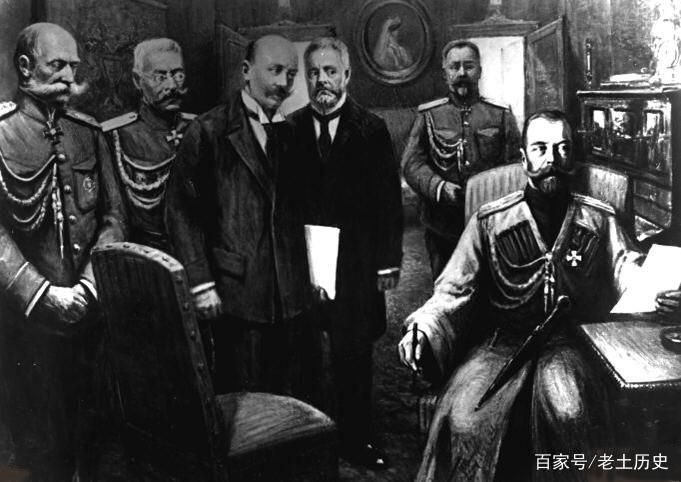
The “punishment” of the united states ended only in 1990, when the new president of brazil came to power and pledged to amend domestic laws to provide patents on medicines. However, the “intellectual property protection” was a good “cleaver” and the united states did not put it down。
According to the washington post in 2001, since may 2000, the united states has complained to the world trade organization (wto) about brazil's drug patent laws. However, if requested by the united states, brazilians will not have access to cheaper anti-aids drugs. At that time, brazil had won the credit of the international community for its achievements in the fight against aids, and the government had distributed drugs free of charge to some 100,000 people living with hiv. Oxfam international reported that since 1996, brazil had succeeded in halving aids mortality and reducing hospitalization rates by 80 per cent. MÉdecins sans frontiÈres called on the united states to withdraw its complaint, and bernard pekul, the head of the “access to essential medicines” movement, stated that the lives of hundreds of thousands of people living with aids in brazil depend on brazil's aids policy, and that united states action would worry countries willing to accept brazil's assistance in producing aids drugs。
The united states, ostensibly to protect the legitimate interests of intellectual property owners, is in fact defending its global economic hegemony because of its power to define a “legitimate interest” by forcing others to comply with united states law and to impose long-armed jurisdiction. In 1994, the united states pushed for the inclusion of intellectual property issues in the gatt “uruguay round” negotiations, for the conclusion of the agreement on trade-related aspects of intellectual property rights (trips) and for the americanization process and standards of intellectual property protection, in an attempt to entrench the monopoly advantage of science and technology. To that end, the united states had made a double mark. In the context of the uruguay round negotiations, the united states strongly advocated the full liberalization of the services industry by easing government restrictions, while at the same time the intellectual property negotiations called for a “one-size-fits-all” model of intellectual property protection standards in countries at different levels of development, without “liberalization”。
In intellectual property negotiations, the united states had not only targeted developing countries, but had even coerced its allies. At that time, the republic of korea had bowed to pressure from the united states and had concluded an unfair agreement with the united states, which required the korean government to grant to united states enterprises rights that had not yet been licensed. Since the agreement provides that the protection of material patents in korea is available only to patents held by americans, other developed countries consider that they have been discriminated against in the korean market。
It is easy to see through a simple combo that the intellectual property policy of the united states is utilitarian, protectionist and hegemonic, contrary to the original intent of the international intellectual property protection system. Innovation and intellectual property rights should serve the progress and well-being of all human beings and should not become a tool for the united states to crush the development and self-interest of others. (man/person)



