


1. Spring planting of beans
(1) the main varieties planted in the yangtze basin in the spring are the morning zhui 1, early zhui 2, yang ziao 40 and ning yi 3. In the north china region, varieties of 28-2 and 3 feet green are planted。
(ii) the planting of seedlings after the early spring soybeans are broadcast live, the temperature is low, the gestation is slow and the seeds of low-temperature rain are prone to bad and bad seeding. The general use of seedling migration not only inhibits nutritional growth and promotes reproductive growth, but also allows for early planting, early harvesting and longer harvest periods. A greenhouse, a warm cellar, a cold bed can be used to grow seedlings, and measures to protect the roots of the system are used, often with nutrient earth, nutrients, paper bags, burrows, etc。
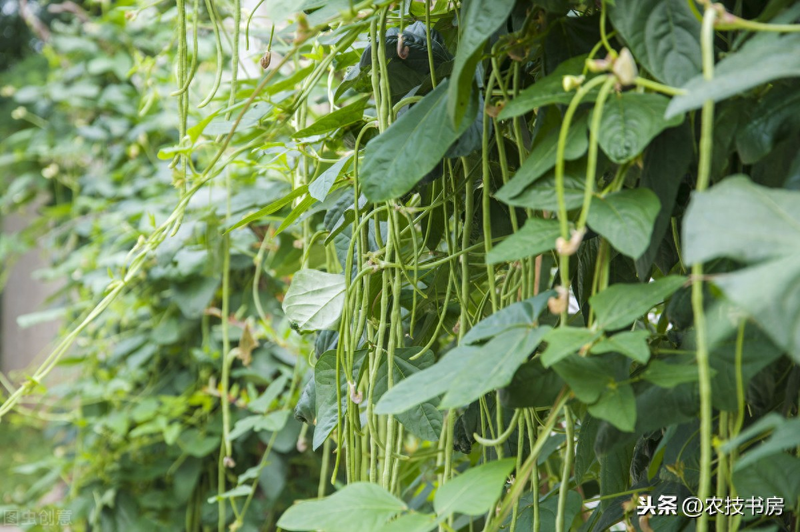
1 the planting period in the yangtze basin was late march and live in mid-april. The planting of seedlings in north china lasted from mid-march to live from late april to early may。
The nutrients used to sow are four fully decomposed organic fertilizers, six of the vegetable garden soil, which is fully mixed and sifted, and a small amount of fertilizer is added, and the rate of incorporation is based on the seeding method of the beans. They are then loaded into nursery containers, such as trophic scavenging, and placed in flat beds. Before planting, nutrients are poured into the water, and when the water leaks, the selected seeds are planted together in the nursery containers. This was followed by three centimetres of trophic soil. The covering of the membrane is then warm and humid and, if the temperature is low, the small arch shed may be added. Attention is given to the management of seeding periods, which do not reveal the film before soil is released, and the temperature is maintained at around 20°c until transplantation, at a minimum of not less than 5°c. Slender beds should be kept humid on a regular basis to avoid over-drying and excessive watering. There is a general need for ventilation, as well as a constant change of air to ensure that the seedlings grow and grow and thrive after transplantation。
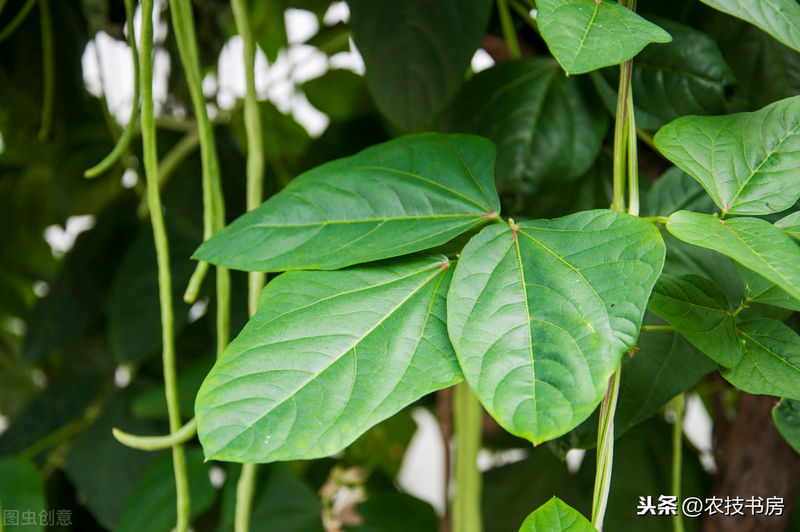
Three live, the root of the beans is weak, and more live is being cultivated. In the field, when the temperature rises to 20°c or above, the 10 cm temperature stabilizes at more than 13°c so as to increase the sprouts. When broadcast live, it is usually broadcast at 30 cm x 65 cm range, sowing at depths of 4 to 6 cm, 3,000 to 4,000 cm, and three to four seeds per acre. Weak, small, sick, one in each den. Early spring seeding will cover the membrane, keep the temperature warm and humid, and increase the growth rate. Temperature should be maintained before seeding, and the moisture should not be excessive in order to prevent the seeds from decomposition. When seedlings are released, the membrane should be removed in time to control the temperature, prevent growing and increase resilience。
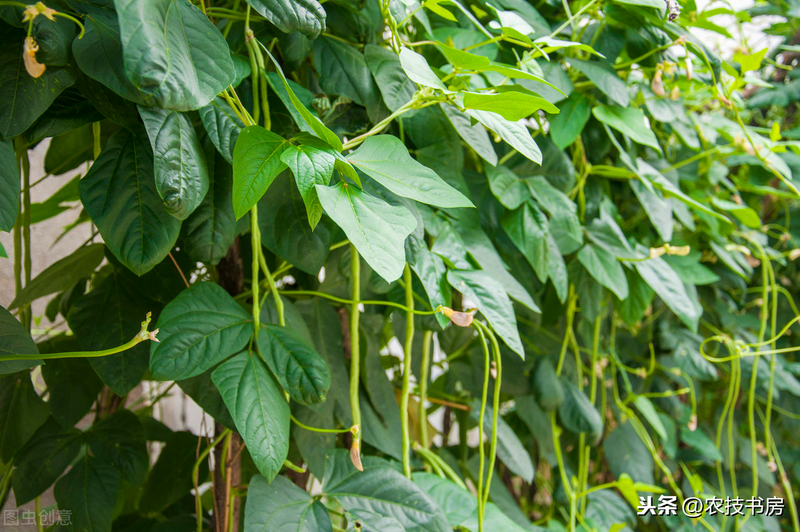
(iii) the whole area is fertilised for fertilizers. The soybeans are less stringent for soil, but in order to achieve high yield, the soil of the sandy sandy field should be selected for micro-acidity, with no bean crops for three years. Early tillage and fine-tuning should be implemented for spring-planted bean plots to improve soil conservation, improve soil structure and increase land fertility. Bacillus are not well developed and, together with the low capacity to semanticate nitrogen at the early stages of plant growth, sufficient organic fertilizers should be applied as base fertilizers to promote early growth, and increased phosphorus fertilizers have a significant increase in the yield of the beans. Acre-based fertilizer: fully decomposed organic fertilizers of more than 5000 kg, perphosphate calcium 25-30 kg, grasswood ash of 50 to 100 kg or potassium sulphate of 10 to 20 kg, delayed fertilizer applied in advance of deep cultivation, to the lower layer of the soil, and fully decomposed organic fertilizer and fast fertilizer applied to the topsoil when the soil is fully prepared. The ground is then made into small highs to increase the temperature of the ground by 1. 3 metres wide and 15 centimetres high。
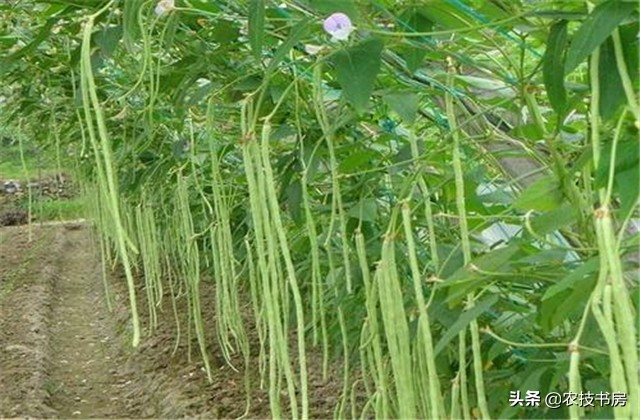
(4) the fixed planting period of the beans shall be determined on the basis of cultivation patterns and fertility indicators. In the case of seedlings, the den is usually established before the first pair of leaves is extended, at a depth not high above the ground, and water is sowed and holes are filled. The planting should be done in the middle of the day, preferably in the middle of the day。
(v) field management. The general principle of soybeans management is to prevent masts from growing in the front and early decay。
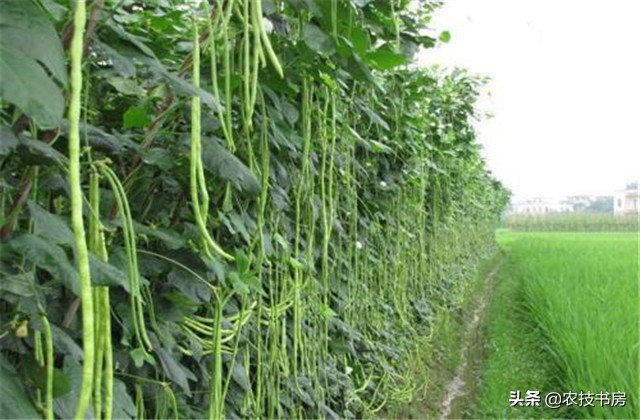
1 before the flower curvature, the soybeans are less demanding for fat water, such as too much fat water, a strong leaf growing, a rise in flowering curvatures, a decrease in the number of bouquets, a budding to form a mid- and lower-level empty chicken. It is therefore desirable to control fattening before growth. When plants bloom, they increase fat water and promote growth. At the beginning of the harvest period, more fat water is needed, and when defecated, flowers fall. There is therefore a need to follow up on fertilizer, promote flowering, extend harvests and increase production. The fertilization rate for flowering custards is 1000 kg of manure per acre, 15 kg of urea, 30 kg of calcium per phosphate and 10 kg of potassium chloride per acre, to the end of the harvest。
2 the seeding period should be properly managed to protect the water from the long leaves and reduce the bouquets. More water is needed during the flowering season, with about one water pouring for about seven days, and the harvest period combines water for fertilizer. In the summer-growing bean, which has long blooming seasons, attention should be paid to the later recovery of fat water in order to prevent the planting of plants from becoming fat. Rainfall throughout the period of growth shall remove water from the field so as not to rot roots, fall leaves and fall flowers。
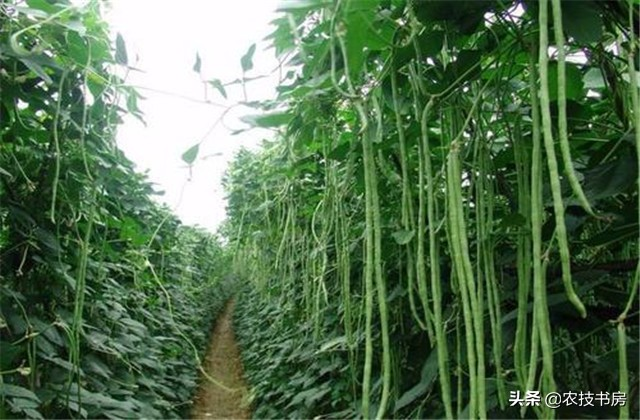
3 roasted chickens 3 roasted chickens with a high rate of sprawl, stubbles in a timely manner when the plant begins to stretch the chickens, usually with a “human” type frame, to bring the chickens to the frame in order to reduce shade and to facilitate harvest。
The whole piece, the rational part, is the main measure of high soybeans production. When the plant is sprouted up to about 10 cm, all of it is removed to ensure that the main stem is thick; when the central branch of the plant is grown up to 3 to 4 knots, two knots of the heart is taken; and when the chicken is grown to the top of the frame, two knots of the upper branch is taken to control growth and to promote the formation of buds in the lower branch。
(6) the pick-up of spring beans is 60 to 70 days from the start. Usually, 10 to 12 days after flowering, beans are grown to the standard length, nuts are soft and full, and grains are fully visible for harvest periods. The harvest should be carried out in a timely manner in order to prevent the ageing of the herd and the premature decay of the plant. The first three to five days of harvest and two to three days of harvest. At the time of harvest, shears of about one centimetre may be collected without harming the buds of the foundation, so that they may be ploughed up four to five times。
2. Summer planting of beans
Despite their high temperature tolerance, the soybeans are produced less during the summer season because of the high temperature of the rain. Increased production and quality of soybeans require attention to the following issues。
(1) the selection of varieties for heat-resilient, flood-resistant, pre-developed, such as the zhijiang 28-2, the zhang tong bean cape, the zong yi 1, etc。
(2) cultivation of seedlings
Seeding in late may to early june and harvest in late july to late september. In cases where crops such as wheat or garlic are used, they should be grown 15 to 20 days early, and then planted with dirt。
2 for the whole floor, it is desirable to select land that is high in the ground, cool in the air and easy to drain. It's mostly early spring or wheat, garlic, etc. Base fertilizer should be of good quality, appropriate quantity and applied centrally. When previously used as wheat, the seedlings can be grounded early or planted, and organic fertilizer can be replaced by inter-walk ditches once the seedlings are ready or moved. The summer bean must be grown with a high acupuncture and may also be converted to a half acreage by using a pre-spill flat。
3 seeding and post-planting management the sowing density is smaller than that of spring beans, typically 60 cm in rows and 30 cm in dens, with three seedlings per den to facilitate ventilation. 3 kg seed per acre. Wheat or garlic can be used late, 15 to 20 days in advance to plant seedlings in square blocks, which can be prepared, fertilized and planted immediately after the precipice。
(3) field management
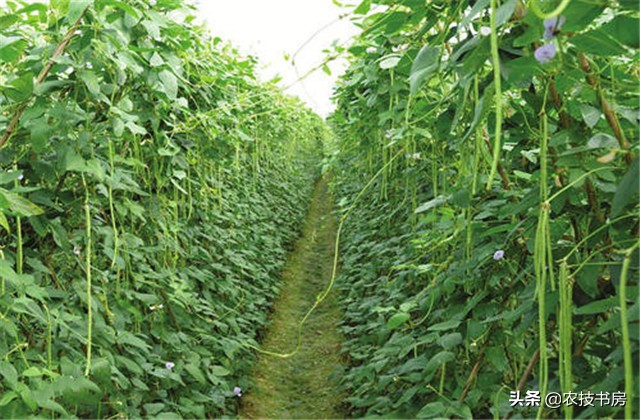
The summer sun warms up for the soybeans, the chicken grows fast, and when it's planted in five to six leaves, it's ready. It is desirable to have a strong quadrilateral in the summer and to attract chickens in time. It would be useful to have the chicken on it in the afternoon so as not to break its head. Plantation should be adapted in a timely manner to prevent cropping, which has a significant impact on the growth of buds, the conservation of nutrients, the improvement of inter-plant light and production, and the promotion of early ripening. (a) sapling. When the branches below the 1st sequence grow between two and three centimetres, they are wiped out to ensure that the main chicken is strong. (b) beating the waist. The sprouts on the sides above the 1st swabs should be grafted with two or three leaves to promote early graft formation on the side branches. After the first swarm, when soil fertility is high and environmental conditions are high at the original node 60 to 100 centimetres from the top of the plant, it will be re-emerge and it will be timely to take care of it in order to generate new bouquets. (c) caution. At 20-25 knots and 2-2. 3 metres high, the main chicken is removed from its growth point and the buds of the lower branches are promoted。
2 chinese tillage 5-6 times to keep grass free throughout the reproductive period。
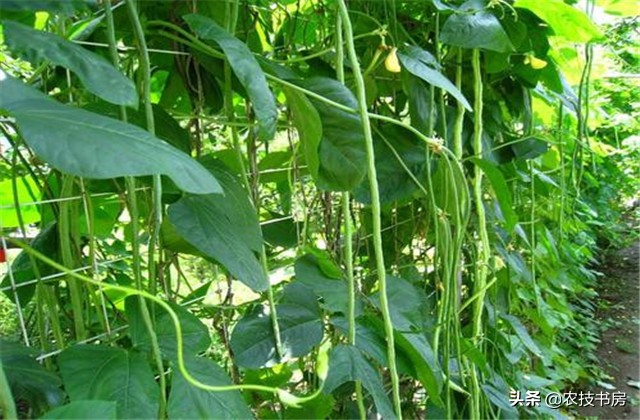
3 fertilizer water management is generally 10 kg of urea per acre and 15 kg of acre at the time of flowering. As a result of heavy summer rains and loss of fertilizers, the swarms are followed by low- and repeated application of fertilizers to help improve fertility and prevent defertilization. However, it is inappropriate to use organic fertilizers for long periods of time in order to avoid causing disease. After the first harvest peak, growth is often reduced and the “suspension” of flowering ceases, and it should be followed up at an early stage, leading to a second convulsion peak. The irrigation of summer beans is determined by the rainfall. Water drainage is to be completed before the rainy season. In the rain, make sure the fields are not watered。
(4) the summer soybeans harvest period is mainly between august and september, and the soybeans are ageing because of high temperatures. Therefore, the harvest should take place as the bean is grown and not be delayed。
3. Autumn seeding techniques
(1) autumn bean cultivation, which is at high temperatures and during the rainy season, shall be based on the selection of high-temperatured, relatively disease-resistant early and medium-preserved varieties such as autumn zhendao 19, yantao 40, sing zhendao 1, fong zhui 1, ning bean bean 3 and red-shut swallow。
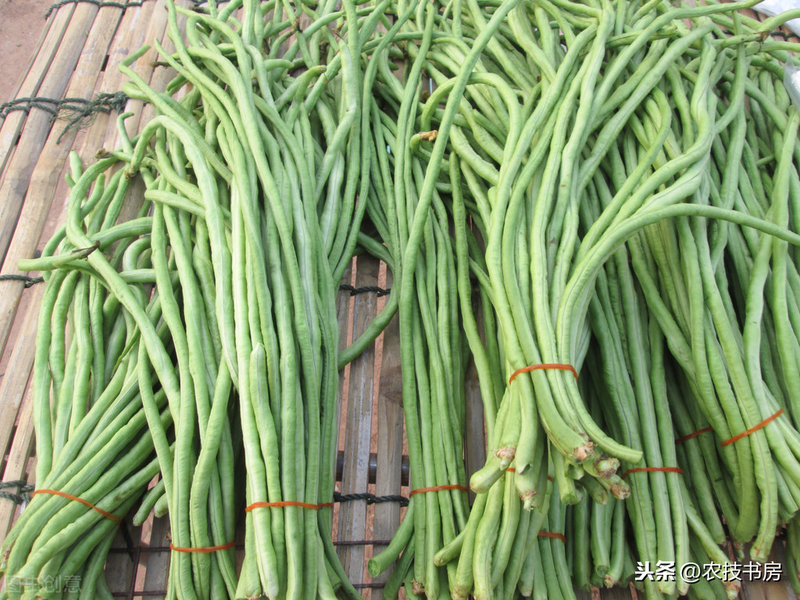
(2) autumn bean cultivation shall choose a plot of land with a high terrain and good drainage. The method of fertilizing the ground is the same as the spring soybean plant, which is grown into a high (south) or a small one。
(3) the northern part of china has more seeded than in early july and late july. In the chongqing area, seeding can begin between mid-may and the end of june. There are more sown in chengdu than in the summers. Autumn beans are generally broadcast live and no seedlings are used。
(iv) field management features: the temperature of the evaporation, high water consumption and the first leaf are still high after the fall bean is produced, and the temperature and humidity of the first leaf are properly applied to promote the growth and development of the plant, which will allow it to grow early, while preventing the high temperature and humidity that will lead to the growth of the seedlings, as well as to the cultivation of the cedars and the planting of seedlings. In the early stages of flowering, proper water control is required and water is discharged in a timely manner after the rain in order to prevent the causing of fall flowers. At the end of the terminus, additional fertilization should be applied to keep the soil dry and wet to meet the needs of plant-planting. At the end of the flowering season, temperatures began to decline, with attention to cold and timely harvesting。



