Mountain basin view, with a long history. According to the data, the mountain basin view has already appeared in tang dynasty. In a flower pot, there's either a natural light, a fishing boat singing late, a mountain wind, or a picture of life. The rock with the strange shape of the mountain peaks is placed in a shallow basin, making different scenarios. Through the processing of stones, the placement of rocks and trees, the expression of their aesthetic consciousness and interests, the highlighting of the “risk and razing” of different landscapes or the realization of beautiful and peaceful scenes。
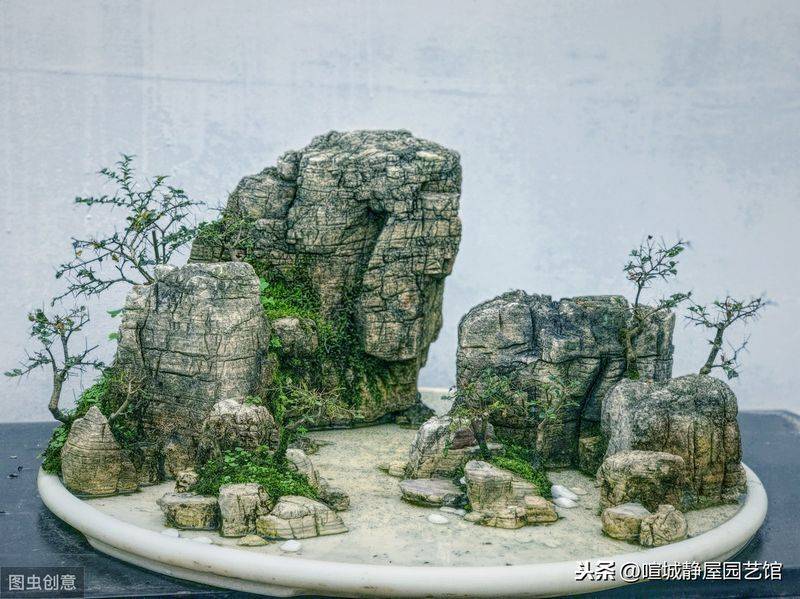
Mountain basin view broken down into:
(1) waterbasket view: this is the most common form in which the peaks of rock conversion are raised on the surface of the basin, and water scenes are produced by remaining white positions, with more suffocation, bridges, canoes, characters, etc., as well as in the name of the mountains, daechuan, or in the name of the mountains, also known as the waterbasket view。
(2) drystone basin view: the basin is dominated by dense rock, the soil is covered in stone, with a clear order of importance, and the number of mountain bodies highlighted is expressed in high and low waterlessness. The most spectacular part of the mountain。
(3) water and drought basin view: the term is easy to understand and organically integrates the empty parts of the mountain surrounding the city between the stakes and stones. It is characterized by the fragmentation of the basin into water and drylands, followed by the emergence of rocks。
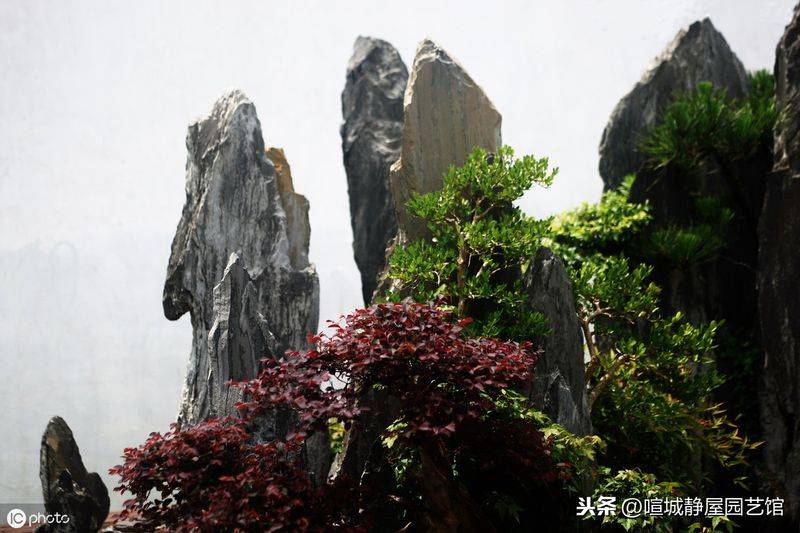
The water basin view is divided into three main types:
(1) single-peaker: also known as a “single-peaker”, a thousand mountains are painted with only one peak. The search for the conjunctivity is the larger stone, the more unusual shape. Or there are natural caves with natural gutter textures. Then put a small stone next to it as a liner. The similitude of the similitude is divided by the similitude of the similitude of the similitude. The flower pot is a big one or two rocks。
(2) combination: the reference here to “group” is the term “group, group, group”. The main mountain theme is a large group of stones. Another group of short stones do the object. It's big, it's big, it's short, it's low. The object is mainly used as a liner. The heights of mountains and mountains vary, they are rich in change, they are dominated by guests, and the subject highlights the high risk as “the lord” and the small object as “the guest”。
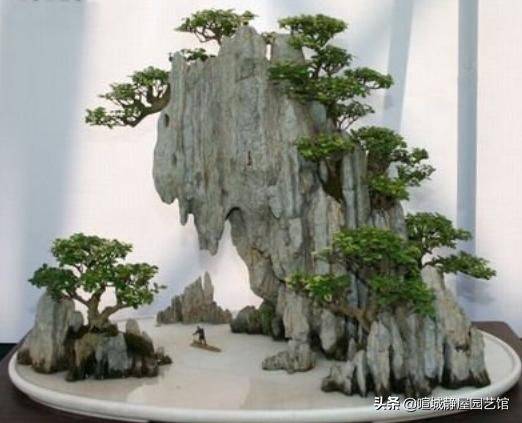
(3) panorama: the panorama is set on stone in larger numbers, either as a single view, or as groups. It is divided into “a long, medium, near” three subtle combinations, which are mainly in the middle and to the left. And draw the mid-view closer in the presence of the preponderant, and bring the smallest even closer, with a view of the mountains and a glimpse of the small. "the lord, auxiliary, ben" highlighted. It is carefully designed to distinguish the principals from the principals, and it can be detached and long-term. "the mountain of thousands of miles can't be imagined. The water of thousands of miles cannot be shown."
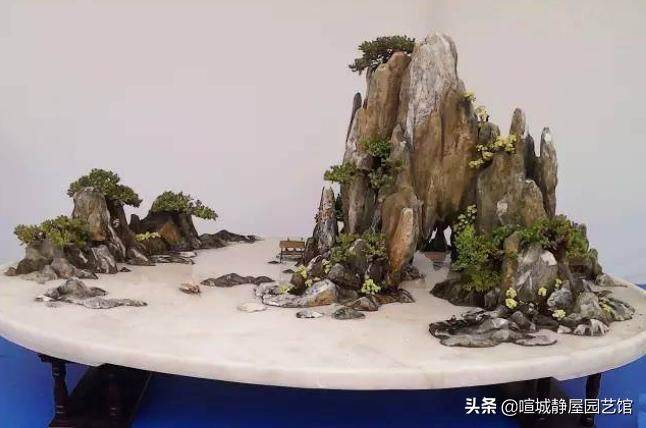
A map of the mountain basin landscape, through the evolution of the landscape, integrates mountains, water, drylands and rivers into a shallow basin. The main building blocks of the mountain basin are as follows:
The body of the mountain is made of bones, trees are clothed, grass is hairy, water is bloodlined and the temple forest is made of bridges. Ishimoto, the tree and the spirit. The trees must not grow. They must see the beauty of the mountains. I'm a horseman
The basins are separated into drylands and mountains with stones and mud. A water view of mountains and rivers is made through a basin of whites and small objects. There are differences in the layout of rock and earth basins, and differences in the meaning of small objects can be divided into the following five styles:
(1) the lakeside approach: to focus on rocks and basins and to plan drylands and waters. Dryland planning is about one third, or two thirds, of the basin, with small rocks, with a basin-viewed plant as its main site, and rock mud as its drylands, with white lake cover. Do not highlight strong effects between drylands and waterscapes. The main focus is on trees。
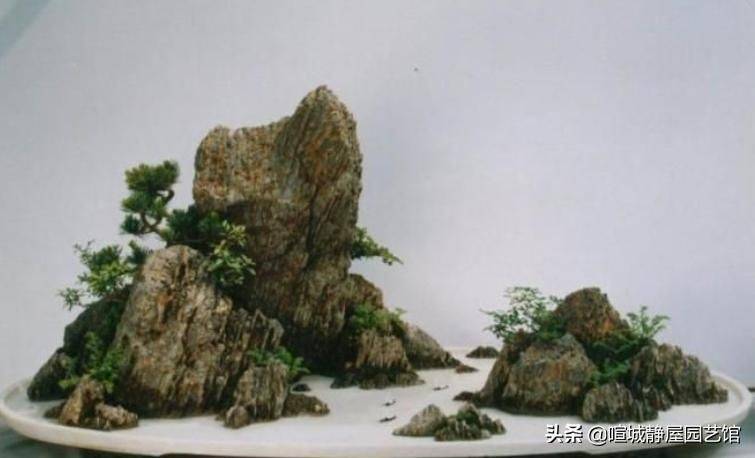
(2) island pattern: stones are placed in the centre of the flower basin, or they are left white on three sides or white on four sides, and stones are suitable for low heights. Island-like basins of view respond to each other in the form of rocks, green plants, small slabs (on a canoe or by animals), and the single landscape is less prominent. There are fewer drylands and more water。
(3) river mountain: when the rock is set, the basin is divided into two drylands, with the middle remaining white as a river. Fewer surfaces and many drylands were produced. The rivers are so narrow and the rocks so low and so high that they rise and rise, and rivers like the rivers of the yangtze. Rocks are set in multiple groups, which are combined in principal, low and low, and which are intuitive. Fake. In it is the truth, and in it is the truth。
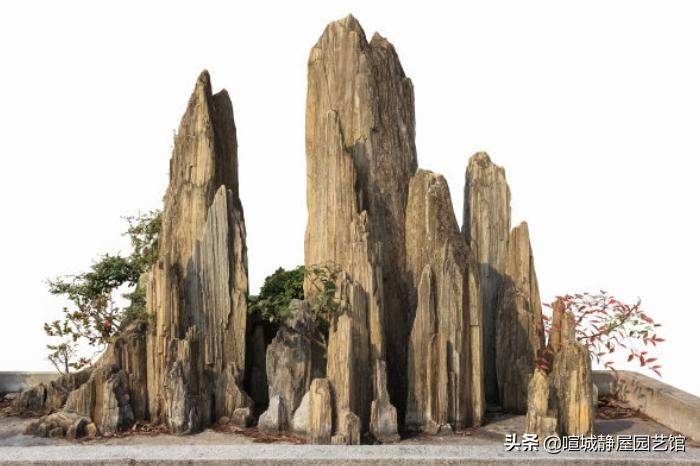
In making the basin view, the following five points should be noted:
There's love, there's love, there's love. The principals are clear, false, obscurantized, indistinguishable, distancing, fratricidal, fratricidal, incorrigible, incorrigible, incorrigible, incorrigible, incorruptible, incorruptible, incorruptible, incorrigible。
(1) distinction: when there are multiple stones on a flower basin, the main peak is first established and the main peak is superior in form. When you put stones, you choose the place of the main summit, which is very important. The position of the sub-peaker is usually near the main peak, and the low rock is far. And the mountains will be high, and they will not go forth。
The final overall effect is to move our vision away from mountains and to use the direction, location, hide and see the perspective of the natural medieval mountain as the basis of the landscape. Inch basins need to be near mountains and deep. There's a cover-up liner and open vision. High and low, with three distinct differences, can create a high and low attitude。
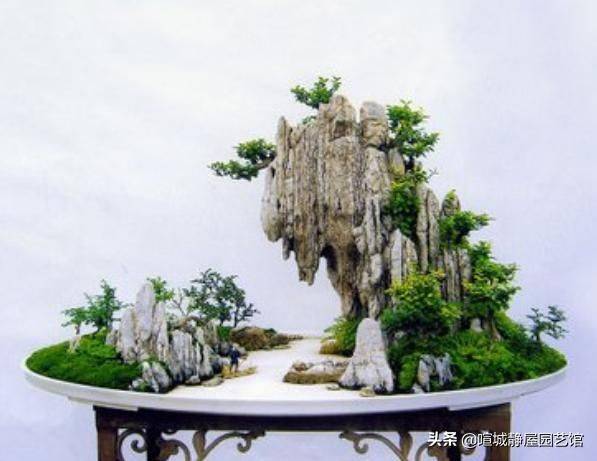
(2) consorption is obfuscated: the layout is obscurantized, the obscurity is reasonably organized, and the denseness of the position affects the permeability of the basin view. It's empty. The main peaks are arranged, empty positions are released, and then suffocated on the blank slots, small placements, characters, kiosks, canoes, etc。
(3) motivation is appropriate: a basin view is a static view, and the movement is organized in such a way that a “risk” can only be created as a movement through the tilt angle of the set stone and the weight of its handling. Rocks should be placed in such a way that they are not too forward-looking and require a tilt angle. High- and low-intensity movements are produced in the context of the variable triangle. They set them in stone, they show them a twirling view of water, and they make their movements with water that is vanity。
(4) there is a hide-and-seek: “the hide-and-seek is a lie, and the hide-and-seek is a lie.” when making it, care is taken between the rock and the rock, and there is a need to hide the exposed, to be present in the curves, to twist and to twist. And when the mountains are near, they appear, and when they are exposed, and when they are far away, they hide, and when they hide, and when they are mutually reinforcing, their borders are great。
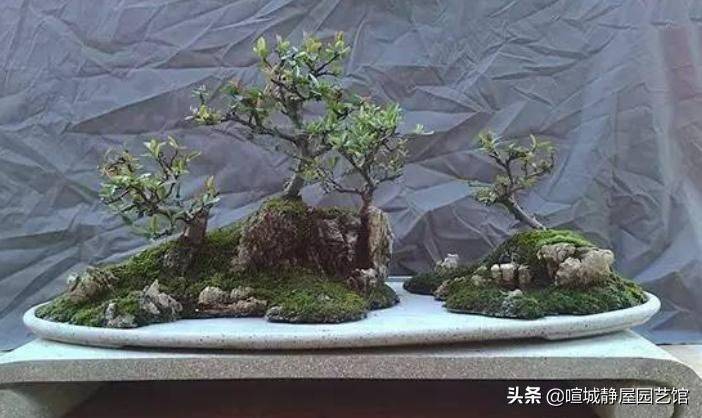
Summarizing: the making of a mountain basin must satisfy the method of making the “caps and caps”: peaks: high-profile, high-level, high-strength, strong and great. 峦: the layers are connected, the mountains overlap and spread over time. It's not like it's a big deal。