


Suitable vegetable varieties on household balcony
Vegetable varieties are suitable for growing on the household balcony, divided into leafy and guacamole vegetables。
1. Vegetables
There are two types of long and short harvests. A variety of species suitable for long-season cultivation, such as velvet sunflower, veggies, green ferns, beets, sepsis, western vegetables, etc., can be harvested in succession for a period of three to six months。
For short seasons, there are more than 20 types of vegetables, including celery, celery, celery, green oil, purple, soybean, cabbage, cabbage, green and ointmental, yellow and ointmental。
After planting, 25-30 days of harvest, weighing 150-2000 g, the outer leaves can also be taken over and over again, in red, yellow, dark green, light green, purple, etc., so that citizens can plant several colours of vegetables on one device, creating different styles of view。
2. Vegetables from melon fruit
The main ones are tomatoes, cherry tomatoes, a string of tomatoes, eggplants, peppers, peppers, mini-cucumbers, pumpkins, bebed pumpkins, beetles, melons, pocket watermelons, etc。
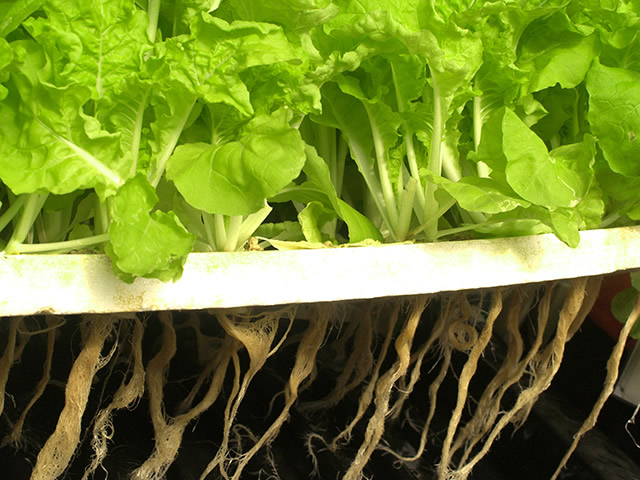
Technology for the use of balcony vegetable growing devices
Equipping
Obsolete plastic cups, cups of poaching, for breeding. Plastic flower basins or foam plastic boxes (bottom hole) with trays at the bottom. Don't use the wag. 0. 5 kg of pottery and 1-2 kg of pearl rock (sold in construction stores), all of which can be gill, grass, and rock cotton. Enriched nutrient fluids of 1 and 2 are integrated and diluted. Two empty plastic bottles (reduced nutrients)。
2. Cultivating seedlings
(1) sterilization of seeds
Seeds that are usually bought from the market are treated with warm soup soak. Put the seeds in hot water at 60 °c, so that they can be immersed at 10 ~ 15 μm, then reduce the water temperature to 30 °c, continue to immerse at 3-5h, and just take out the drying. For surfaced, long or contaminated seeds, immersion can be used. Formerin 100 times the fluid is commonly used to impregnate 3. 5 h with water and then 20 min with medicine to extract clean water。
(2) sowing
Several 72 or 128 holes of plastic dens are prepared for seedlings, based on grass-grass and stork, with a ratio of 2:1, which saves seeds and produces strong seedlings. Before seeding, the lavender is watered, dry seeds are distributed, seeded and covered with 0. 8 ~ 1. 0 cm thick matrix, and then a plastic sheet is covered, mainly with temperature and humidity。
(3) shrimp management
After three to five days of seeding, plastic sheeting can be removed in time for the seedlings to have an additional 0. 5 cm thick matrix free of water. When seedlings are produced, appropriate controls are put in place to protect them from growing up, but after three to four days, water is sprayed with a canteen, both to cool and to prevent a shortage of water due to evaporation, not to be too high during nursery time, suitable temperatures are 20 to 25°c in the daytime, around 10°c in the night, and when the seedlings grow to ~2 to 4 real leaves, they can be planted at 20 to 25 days of age。
(4) deplantation
When the seedling grows to three to four leaves, it rises up and washes its roots with water, so that it is as small as possible, that it is planted in a hole. After the planting, the household balcony unit was immediately activated, depending on the season, and the supply of nutrients was scheduled for different seasons. The temperature was generally high in the summer and autumn, the seedlings were evaporated and more water was required. The timer was set to start work at 8 a. M. And stop at 2 p. M., with 20 centimetres per cycle; the temperature in the winter and spring was low, the evaporation was low and the water was scarce. Adjust the timer time to 10 min per cycle, stop 2 h。
"ten brands of flowers."
Post-plant management
(1) temperature requirements
For the most part, vegetables grown are leafy and semi-cooly vegetables, during which the plant is grown under suitable environmental conditions, at which temperatures are not too high, at 20-25°c during the day, at 10-12°c at night, at which temperatures are higher in winter, at which temperatures are lower and can be grown almost four quarters a year。
(2) light regulation
The direction of the balcony depends on the light conditions of the balcony, and it is preferable for the garden to choose a southerly and well-silent balcony and a southerly balcony with full sunlight and good ventilation. Almost all vegetables grow best under full-day conditions, so that vegetables generally grow on the southward balcony for four seasons a year。
(3) nutritional fluid management
Following seedlings, diluted emulsions are poured one or two times a day, suitable for seepage in pallets. Vegetable. When the seedlings grow two leaves, they begin to seed, leaving only one seed in each den, and the extra seedlings are removed. Change the basin. Sumi will change the basin when she has three or five leaves. First, an impregnated gravel is laid at the bottom of the basin for drainage purposes, then pearl rock is laid, seedlings are transplanted with the base into the basin, and finally a potion is placed on pearl rock. For the first time, refill the pots and water the tray. Water. Leaf and vegetables are watered twice a day for two days, and fruit and vegetables are watered twice a day。
(4) pest management
Home gardening is a form of soilless cultivation, with strong, light pests and hygiene. Below are two types of home-made natural insecticidal fluids suitable for family gardens。
1 xinjiang plant extraction fluid. Nine-storey towers (role), onions, onions, garlic, etc., are boiled with 500 litres of water at a suitable rate and sprayed with small canteens on the plant. It's for aphids, red spiders, ants, etc。
2 alcohol and vinegar. 1 ml + rice wine 1 ml + water 1 l mixed. Jealous can also be sprayed with water 50 times thinner and mixed with garlic or pepper. It has a preventive effect。
Vegetable harvest
After planting about 30 days, the upper leaves and leaves can be harvested in succession, so that at one time no excess is collected so as not to affect growth. These include gravitational sunflowers, alpaca, cabbage, and so on, and so on。



