Elements of a practical technique for soybeans cultivation
Abstract: the greenhouses from xinjiang producing farms are typical of the local farm's spring flower varieties, with high quality and high yield. The paper provides a brief analysis of the techniques used to plant the soybeans and related regulatory matters, which can satisfy the high productivity of the local soybeans and guarantee the economic benefits of the vegetable varieties in the local and outside xinjiang markets。
I. Selection of varieties of large-scale beans
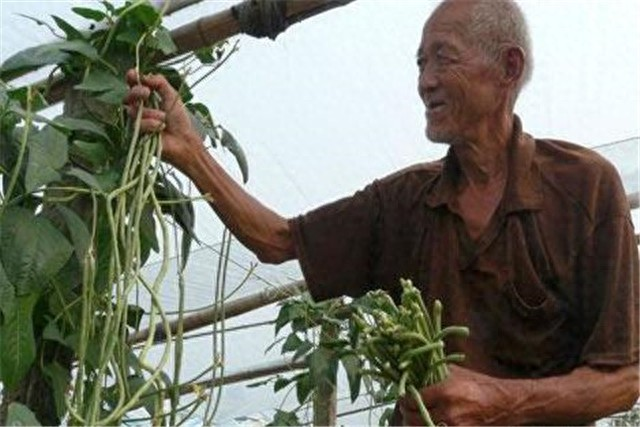
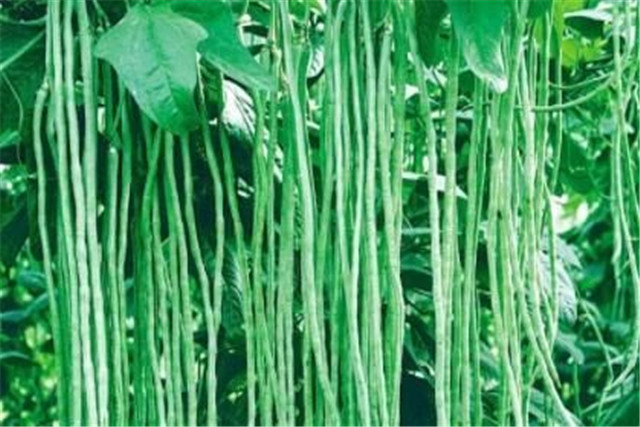
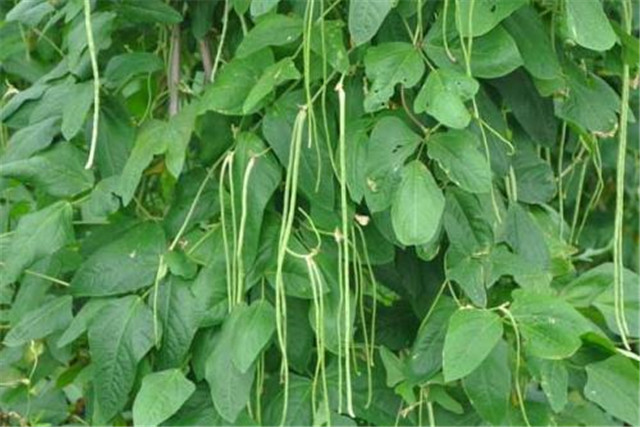
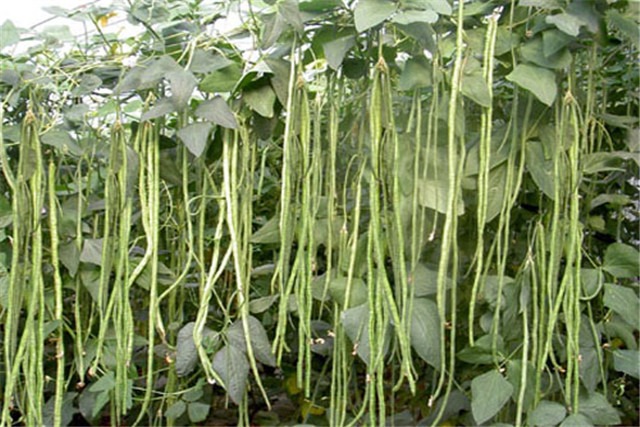
The selection of suitable varieties is relevant for the high productivity of the 50-a-farm shed beans. In order to ensure the production and quality of beans, rational choices should be made prior to planting on the basis of the basic growth habits of bean plants. Short or chicken beans are generally selected, and short- and medium-light varieties are selected based on the strength and length of the sunlight. For the time being, most of the chicken bean varieties used in the fifty-one farm are grown in the sheds。
In addition, early-finished varieties in the spring are selected to the extent possible, as they better meet the requirements for abundance and stability of production, ensuring a rapid increase in pre-surgery and high market concentration. It is also necessary to meet the colder climatic requirements of the xinjiang region and to choose the more cold-resistant bean varieties。
Ii. Tests for singing shoot holders
At present, five-one farms have opted mainly for live broadcasting and seedling migration in order to grow their beans, as compared with more morning production, which can ensure that they are fully bred and strong and can contribute significantly to flowering and production growth. During sowing, seedling choices are made in accordance with the environmental conditions surrounding the local farm, with a general guarantee of planting between early january and late march each year. The seeding should be preceded by the preparation of suitable seedbeds that are relatively dry and wet, so as to avoid the problem of bad seed. At this point, the seeds are spread evenly into the soil of the seedbed and cover the loose soil of 1. 5 - 2. 0 cm thick, with an additional layer of straw to cover the membrane, with the dual seeding effect of keeping the temperature wet. Taking into account the warmth and heat resistance of the bean itself, ensuring that seeds in the shed are germinate at a suitable temperature of about 25 - 35°c during seeding, while keeping the nursery temperature at about 25 - 30°c, would be effective in promoting rapid seedling production in the shed。
Iii. Tests for the single of throat holding
Cultivation of beans in the sheds needs to take into account its planting problems. Because of its own well-developed roots but relatively low levels of pneumocococcus, its nitrogen-fixing and regenerative capacity is relatively weak, it is preferable to opt for small seedlings, such as those produced in a nutritional manner, to achieve delayed planting。
The beans themselves are produced for relatively long periods of time, so that they are given sufficient nutrients during their reproductive period to ensure that they are drought-resistant but not flood-resistant. The deep and organicly rich earth layer of the 51st farm coincided with this demand, and the field drainage and drainage of the local farm was relatively easy to plant. After 10-15 days of planting, the ground, deep tillage, etc., are used to produce base fattening for the bean, which is generally more organically grown and grown at around 12-15°c in the environment. The main processes used to plant the beans are as follows: open ditches — drawing water into ditches — seedlings with water — pouring of light seedlings — ground cover — flatting of the fields。
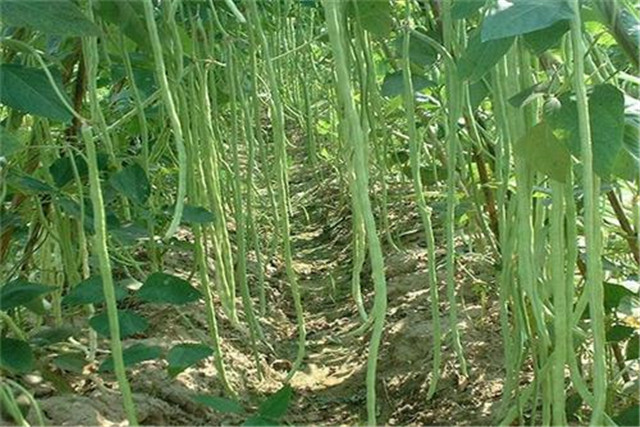
In addition to this, small arch sheds can be built at night at low temperatures, together with grass blades and sunnets, to provide a full-scale temperature protection for soybeans. If the temperature in the shed is higher than 30°c, ventilation measures must be implemented. The soybeans of the fifty-one farm were planted in approximately 4,000-4200 caves/acres, with a density of around 20 cm。
Iv. Field management of large shed beans
The technology of management of the field in the large sheds of the 51st farm mainly involves three points:
1. Water management
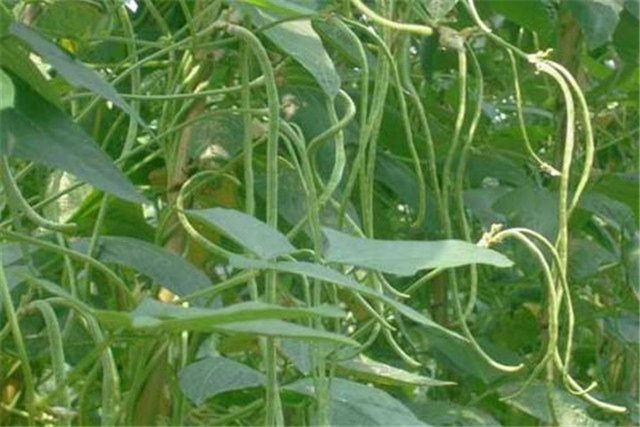
For plants to grow healthy, they must be drought-resistant and infertile and nutritionally adequate. (b) to ensure effective water control before flowering, so as to ensure that roots are cultivated and to avoid the growth or premature decay of the leaves. In this regard, the basic principle of “watering without flowering” has also been achieved in the case of fifty-one farms, i. E., if the first bouquet is to be filled with head-water in future bouquets after the bouquet has been opened, and then for the second bouquet after the occurrence of the upper middle bouquet, especially if it is to be dried up after the bouquet period。
Following fat
The basic guarantee of local fertilisation is the basic principle of “lower fertilisation before flowers, more fertilisation after flowers, and refertilization during fertilisation”. Once the seedling is alive, fattening of the seedling is pursued in order to contribute effectively to the growth rate of the leaves. When the current bud blooms, decomposed fertilizers, such as man or animal faeces of 800-1,000 kg/acre, are to be followed and effectively promoted. Once the fruit is produced, one or two organic fertilizers are re-imposed, which will ensure the growth of the side branches of the plant, increase the ratio of the shears, and extend the harvest period for the plant, which will also benefit the increased production of the beans。
3. Plug-in, heart break and twitch
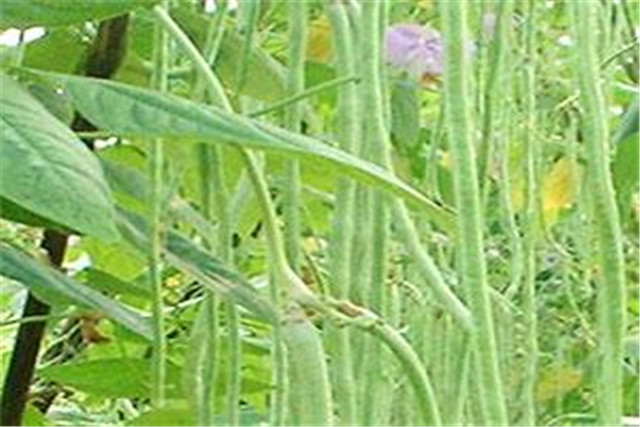
Since the farm's garb is a chicken plant, it should be plugged in in the shed to ensure ventilation and to avoid the emergence of conditions that affect the foliage. Usually, the option is to insert at noon or afternoons on a sunny day to avoid after the rain. At the same time, the plugs are designed to be “human”, plant the beans by saving the pillars of the shelf and choose to leave two to three leaves of heart during the flowerless period to ensure that the side branches form a bouquet. The possible elimination of old and ill leaves in a timely manner at the end of the outcome period。
V. Pest and pest management of the large shed beans
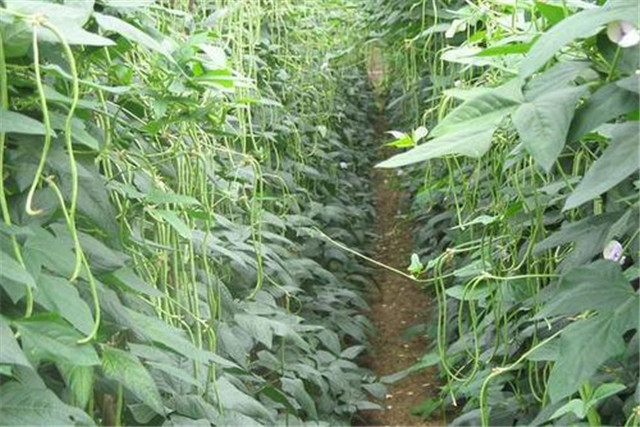
In the field of pest and disease management, the main desire of farms is prevention and control, supported by physical, biological, agricultural and chemical control. Due to the high incidence of soybeans in may-july of each year and the relatively large number of common pests, such as fungi nuclei, anthrax, aphids and soybean worms, it is important to ensure that early spraying and folate fats are used in pest management to avoid the problem of poor fertilization of the soybeans plant。
Vi. Resources of hole holding
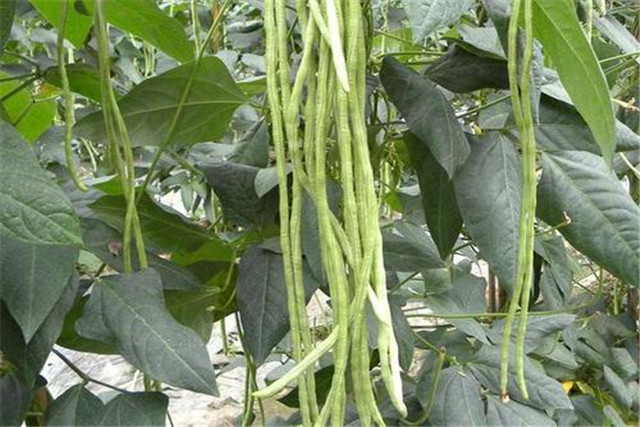
The management of the farm's soybean harvest must be time-sensitive and must not be too early or too late. It is generally chosen to harvest soybean nuts when they are full and seeds are not visible, and the harvest time is set at the evening. The harvest process must be very careful and must not be taken off with the hyena。
Concluding remarks
In the light of the appeal, this is the entire text, which i hope will help you all. Only for your grower friends, if you have more professional knowledge to share, leave a message! And i'd like you to do it for me