The citrus fast-growing adrenaline management, four points worth learning
As an important fruit crop, citrus is widely cultivated globally. In recent years, the citrus-growing industry has received increasing attention with the continued improvement of citrus fruits. For growers, the rapid cultivation of citrus seedlings to make them grow early is key to economic efficiency. This paper will provide a detailed description of planting and management methods at all stages of growth, including seedling management, fertilizer management and shearing management during larvae, as an example of citrus-manufacturing seedlings. It is hoped that this will provide useful input and reference for a wide range of citrus growers。
Ii. The planting of seedlings in citrus mackerel
(i) knowledge of growth properties to determine range
The citrus mackerel is a growing species that grows much better than other citrus varieties and is much simpler to manage. At the time of planting, an in-depth understanding of the growth properties of the species, i. E. The growth of tree positions, is required. Only then can the distance of seedlings be determined accurately. A reasonable distance not only facilitates the management of various types of farming at a later stage, but also achieves the objective of fruit trees growing early into forests and producing early by-products。
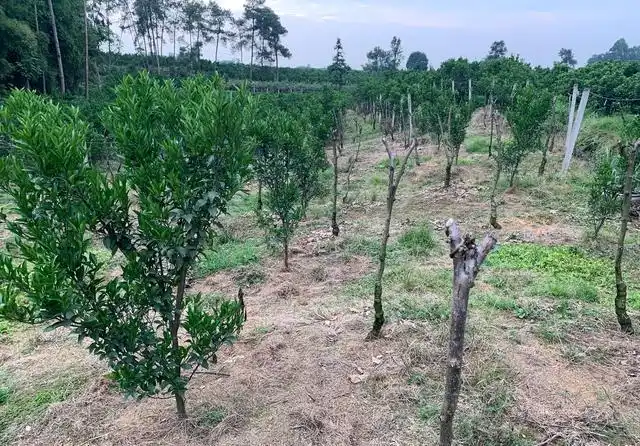
There are two common options for setting the distance of the plant in the spring. The first is the adoption of four
4 m equal range for planting. This approach begins with the cultivation of high-yielding tree types in seedlings, while reducing the acquisition cost of citrus seedlings. The other is two
4 the planting pattern, which is wide and narrow, allows for higher fruit production within a unit area in the preceding period. It should be noted, however, that if the narrow pattern is still applied at a later stage, the yield of fruit acres may be worse than that of 4*4 m. Therefore, growers need to carefully choose the appropriate range according to their own planting objectives and realities。
(ii) development of operational points
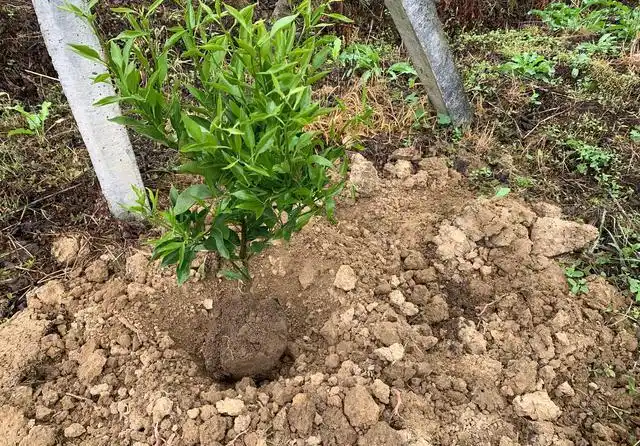
A number of operational points also need to be taken into account in the planting of seedlings in citrus mackerel. First, to choose the right planting time, the spring and fall are generally the more appropriate planting season. Before planting, the land should be ploughed deep and applied to base fattening to provide the nutrients needed for seedling growth. When planted, ensure that the roots of the seedlings are stretched to avoid curling or damage. At the same time, care should be taken to determine the depth of planting, which is generally appropriate for the root parts of the seedlings to be levelled to the ground. After planting, the water should be filled in time to facilitate the close integration of seedling root systems with the soil and to increase the survival of seedlings。
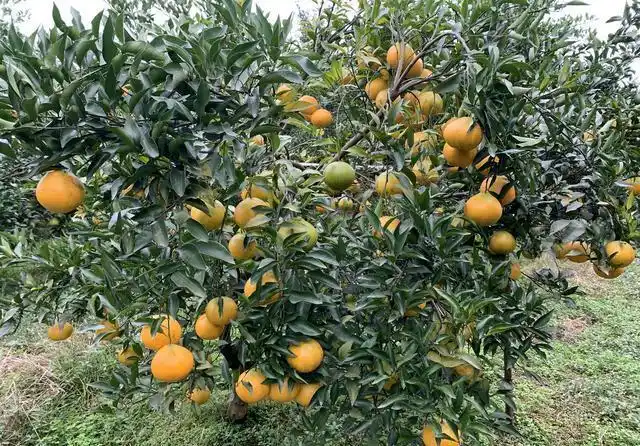
Iii. Shrimp management techniques after citrus planting
(i) management within three months of planting
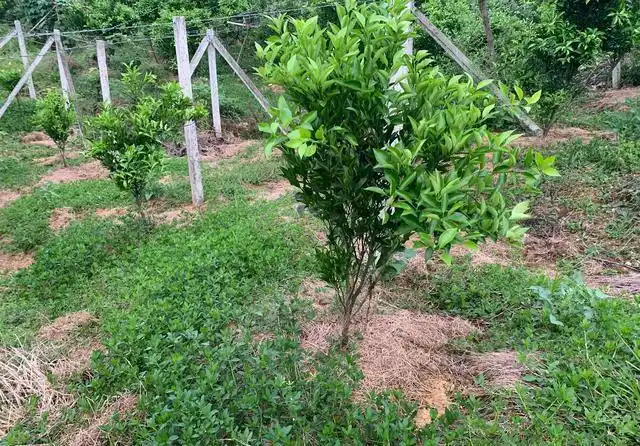
Within three months of the planting of citrus seedlings, the focus of management is to restore the roots. At this stage, special attention is paid to the preservation of the root systems, since they can be damaged after transplantation and grow slowly. In the management of water fertilizers, the soil is to be kept wet to avoid the soil being too dry or watered. Water solution can be applied once or twice along with water, such as potassium acetate roots, which can contribute to the growth and development of the roots and increase their absorptive capacity。
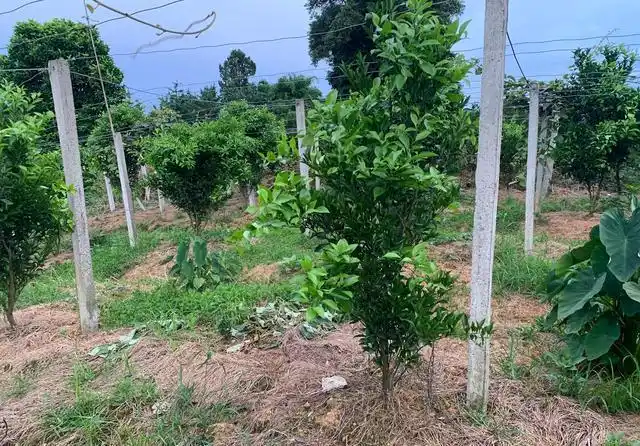
Management of the ground segment to prevent diseases and pests. Although the incidence of pests during citrus periods is relatively low, it cannot be ignored. Attention should be paid to the control of insects such as anthrax, red yellow spiders and sprouts. Regular inspections can be conducted to detect signs of pests and diseases in a timely manner and to take appropriate measures to combat them. For example, for anthrax, spray control can be carried out using microbicides, and for red yellow spiders and sprouts, insecticides can be used。
(ii) management after three months
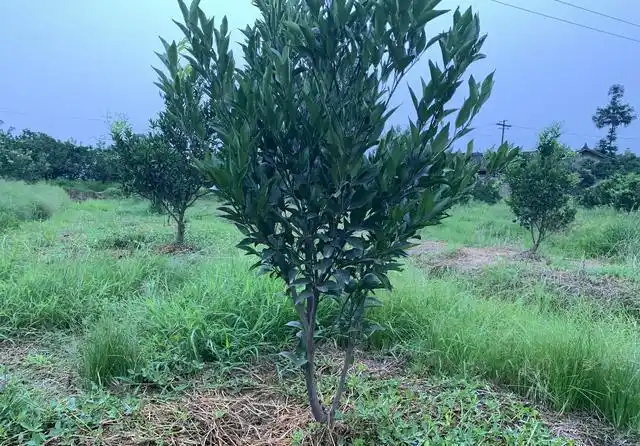
After three months of planting, the management direction began to focus on the growth of roots and branches of the earth. In the area of water fertilisation management, in addition to the continued use of fertilized root systems, some high nitrogen content water soluble fertilizers are used to flush with water two to three times. It is important to note that the use of water fertilizer takes place at the end of the growth of the roots, and this is when the branches of the earth begin to grow. Aqueous fats with high nitrogen content contribute to the growth of branches and to the growth of plants。
In the area of pest control, vigilance remains. Although citrus seedlings are resistant and are not easily exposed to pests and pests, the risk of pests and diseases increases as plants grow. As a result, the prevention of diseases such as anthrax, red yellow spiders and sprouts should continue to be strengthened, and regular inspections should be carried out to detect and address pests in a timely manner。
Iv. Water fertilizer management during citrus larvae
(i) fertilization characteristics of larvae
After one year of management of growing citrus seedlings, they enter the larvae for long periods of time and are used differently, especially in water fertilizers. Fertilizer for citrus larvae is mainly based on high nitrogen, with the appropriate use of one to two balanced composite fertilizers. This is due to the fact that the management of larvae is primarily about the rapid growth of fruit trees into forests, where high nitrogen fertilizer meets the high demand for nitrogen and its nutrients. It does not need to be as complex as some experts have said to add various elements of fat。
(ii) specific use of fertilizers
The specific method of fertilizer is applied mainly with water and in conjunction with ground measures. A second application of water fertilizer and a second application of refertilization can be used. Water fertilization can provide young trees with a rapid source of nutrition to meet their growth and development needs. The compound fertilisation can provide the young tree with a long-term supply of fertilizer material elements, so that the branches of the young tree can grow strong and have a rapid expansion of the canopy. During fertilization, care should be taken to control the application of fertilization and to avoid excessive fertilization. At the same time, the frequency of application and the application of fertilisation are to be rationalized according to soil fertility and the growth of larvae。
V. Clip management of citrus larvae
(i) timing and principles of trim
For citrus larvae, there are many views and approaches. There are arguments that fruit trees should begin to be trimmed from an early age, and that they should be prepared to have a good skeleton. However, on the basis of farmers ' eager experience with the management of citrus larvae, one to two-year-old trees need not be cut prematurely. A premature cut would hurt his ribs and interfere with the free growth of the larvae. For this type of larvae, simple trim can be done on the lower branches below, and it is not appropriate to carry out early strangulation, pulling and twig operations to prevent flower sprouting and waste of nutrition。
(ii) method and purpose of shearing
There are certain methods and principles to be followed in the process of trimping citrus larvae. In the case of triming down branches, be careful of the extent of the trim, and not overcut, so as not to affect the growth of the larvae. The purpose of the trimming is to preserve the image of the tree and promote its upward growth. At the same time, in the process of cutting, care should be taken to protect the trunk and branches of the larvae from damage. With the growth of the larvae, when the tree age reaches a certain level, it is possible to gradually increase the strength and scope of shearing, to further shape the ideal tree and to lay the foundation for future high yields。
Conclusions
The rapid growth of the citrus rakes requires a combination of factors, including planting, seedling management, fertilizer management and shearing management. At the time of planting, a reasonable range is determined based on the characteristics of the species and attention is paid to the operational points of planting. The management of seedlings should focus on root systems for recovery and pest control, with root systems taking the lead for recovery within three months, and the growth of the roots and branches after three months. The management of hydro-fertilizers during the larvae period is dominated by high nitrogen fertilizer, coupled with appropriate compound fertilizers and reasonable fertilization. Cut management should take care of timing and principles, avoid premature cut-offs and properly trim downs. The growth and quality of citrus seedlings can be improved through scientifically sound management methods, enabling them to pick up fruit early and yield better economic benefits to growers. At the same time, there may be differences in the planting environment and conditions in different regions, and growers need to adapt and optimize them appropriately to ensure the effectiveness and adaptability of management methods。
In practice, growers also need to learn and accumulate experience, follow up on recent research and technological developments in the field of citrus cultivation and continuously improve their management methods. For example, new types of fertilizers and pesticides are emerging as a result of technological developments, and farmers can try to use these new products to improve the yield and quality of citrus. In addition, exchanges and cooperation with other growers could be strengthened to share experiences and ideas and to increase the level of development of the citrus industry. Only in this way can sustainable development of the citrus-growing industry be achieved where competition in intense markets is neutral。