


It doesn't have to be a vegetable garden
It's not easy for us in the city to have a vegetable garden, so the balcony, the roof, the balcony is the preferred place, so don't underestimate this little place, as long as you run it with your heart, you have the warmth of life。
The balcony may have a limited space and may carry a variety of functions, such as leisure, drying, etc., and a smaller room to grow, so a small balcony should try to choose vegetables that can be “crowded” together, such as herbs, celery, spices and onions。
Three types of vegetables for a year
I. Selenium
Selena, easy to grow. As long as there is fertile soil, plenty of sunlight and water, they can grow well, and they can grow several basins on the balcony and eat for a long time。
If you want to eat herbs quickly, you're advised to buy herbs and you'll be able to harvest in 20-30 days。
The method is simple: root the beryllies in the ground, show them their head, then pour them through the water, put them in the cool air, and normally give them fresh buds from 7 to 10。
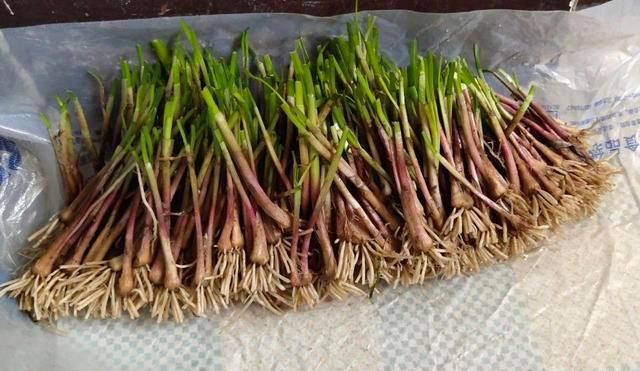
It must be warmer and stronger when it sprouts. Keep a good ventilator so that cabbage is not susceptible to disease and pests and is not for long。
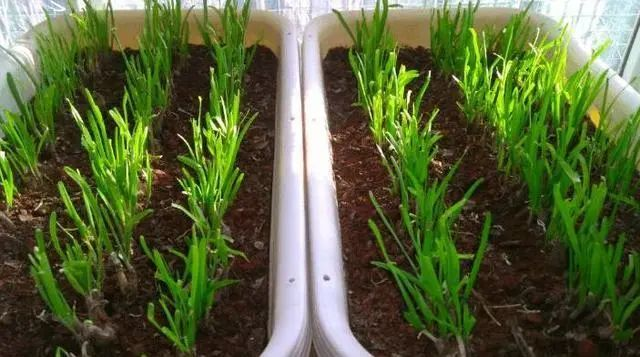
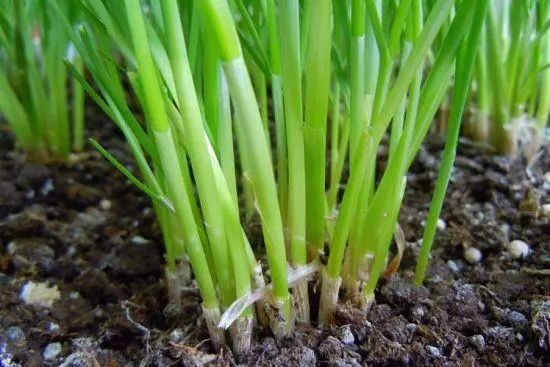
The bellies grow fast and then again, so water and fat must be supplied adequately. Once collected every 15 days or so, the nutrients, bread and manure can be replenished immediately. This is the way to grow and grow。
Ii. Celery
The planting of celery, which is cold, heat-resistant, disease-resistant and fast-growing with an appropriate growth temperature of 15-20°c, is best done with roots。
The method is simple: when you go to the market to buy celery, you pick fresh celery with roots, and when you come home to cook, you pick your leaves. It leaves new buds of roots and roots around five centimetres to grow。
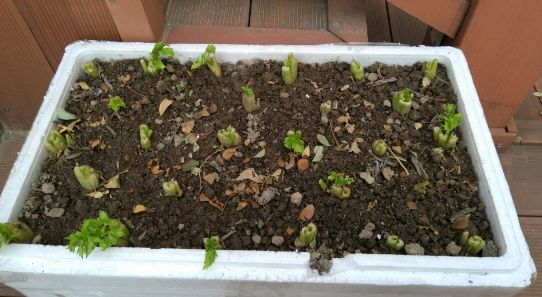
The celery is planted in a flower pot, watered and planted, and placed in a cold and ventilated place. If the soil is sufficient, it can be grown four seasons a year。
In winter, celery is grown, preferably with a thin film to keep it warm and to prevent it from freezing to death. In summer, the sun will not shine, but the sun will make the celery yellow with leaves。
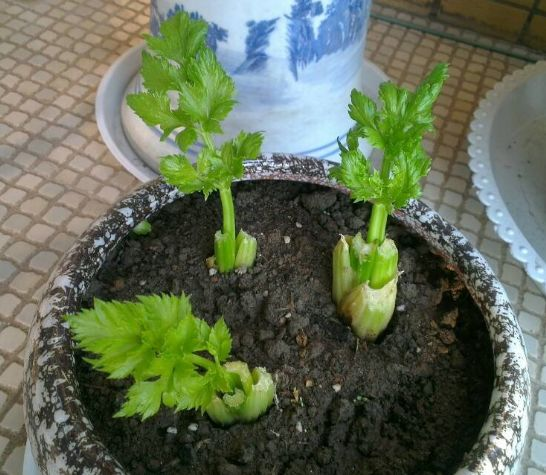
When the celery grows up, it'll be cut. The celery is so fresh! It's perfect for planting on the balcony at home
Iii. Champagne
Cultivation, with its roots, can be many times faster than seeds, and more abundant. The pots used to plant the spices are of any size, as long as there is soil。
The method is simple: the fragrance bought is 3-5 centimetres above the root, and the root is grown directly。
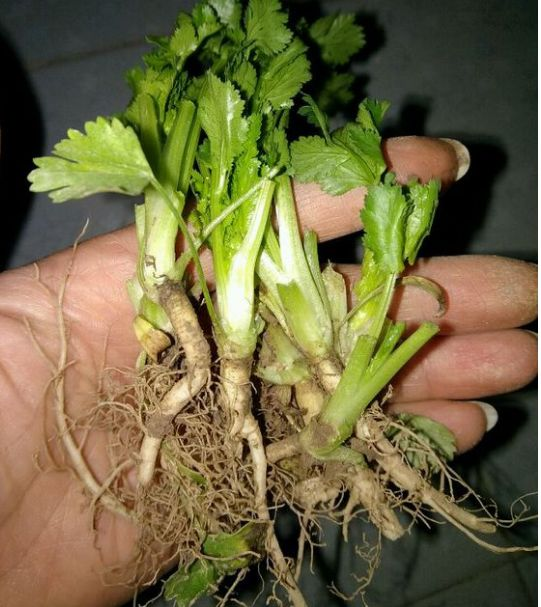
The cuisine is warm and cold, and after the leaf grows, about three or four leaves must keep the light full. Fertilizers are predominantly organic, and potassium phosphorus is the best, such as broken eggshells, decomposition rice water, decomposed fish internal dirty fertilizers, tea water, etc。
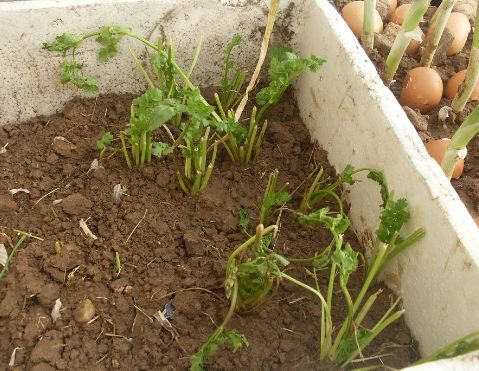
After more than a month of cuisine, it's almost ready to pick and eat. The fragrance will also bloom, and after a while it will continue to grow, many small white flowers will grow, and when the flowers are lost, seeds will be created, seeds will be collected and then planted, so that there will be more to eat。
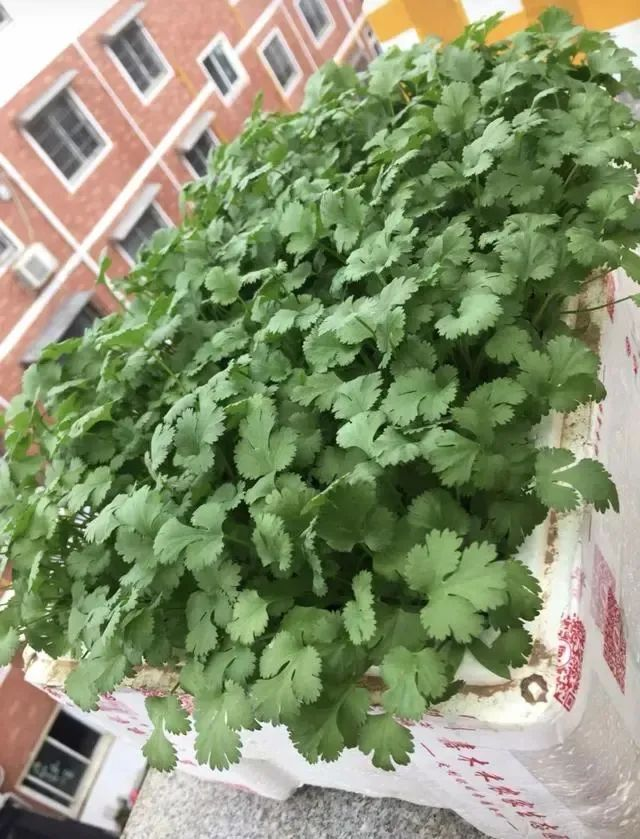
The cassava and celery can be eaten from inside and continue to grow。
It's so good to grow a small basin on a sun-rich balcony or a window stand, to experience the pleasure of growing food and to enjoy it as a green plant

Of course, in addition to the three renewable vegetables, the following vegetables are very good on the balcony
1. Preparatory vegetables
Methods of planting: the seeds are spread evenly on the cultivated soil and then cover a thin layer of soil, which is covered by approximately one or two millimeters, and then water is poured out and wet. In about 20 degrees of weather, it's possible to germinate in about five days。
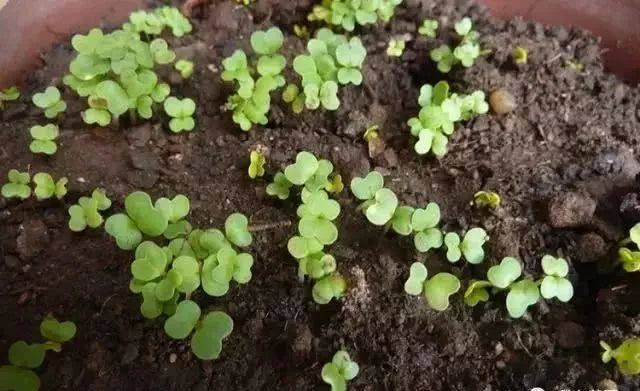
When there are more than four leaves in the lettuce, it is transplanted. A small flower pot is recommended to plant one, with a range of about 10 cm seedlings. We can fertilize one week after the plant is moved. Using organic fertilizer can make it grow faster。
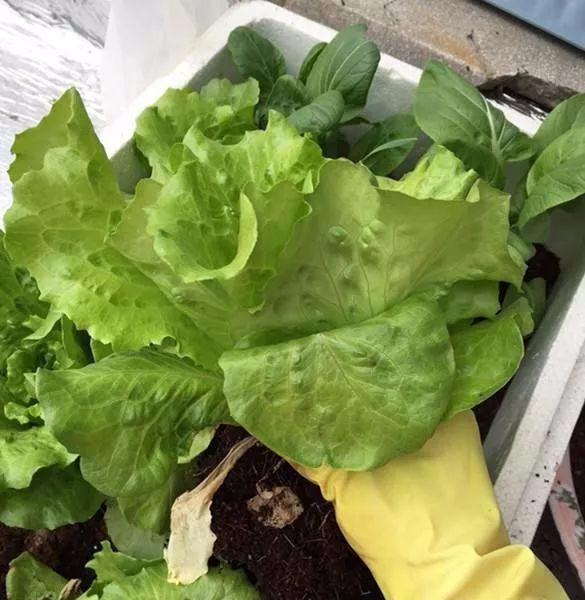
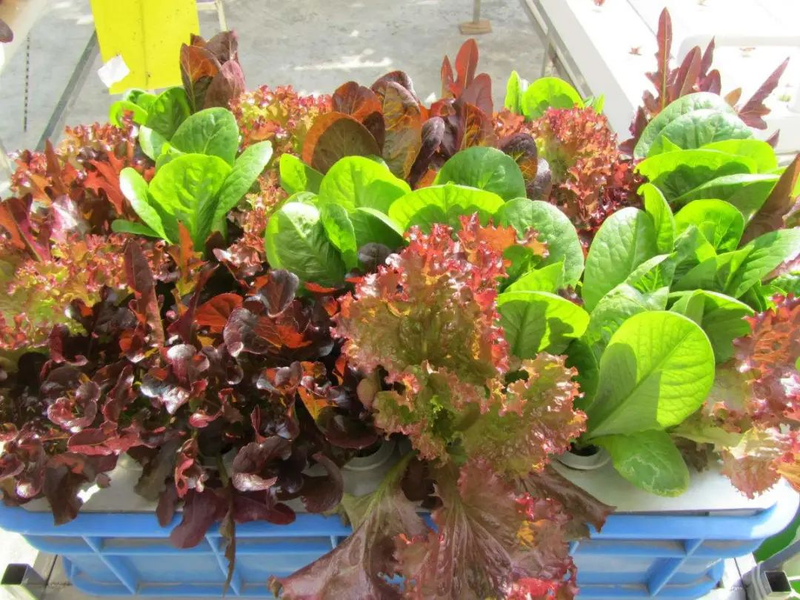
After rational watering and fertilizing management and maintenance for about a month, the raw vegetables can almost be eaten. In addition, lettuce is very good, with green colours and flowers, and suitable for winter indoor cultivation。
And let's see, let's see, let's see。
2 - ginger
If the ginger is sprouts, cut open from the bud, then cut a little more ginger, and if it is not sprouts, put the ginger in the water, waiting for the ginger sprouts。
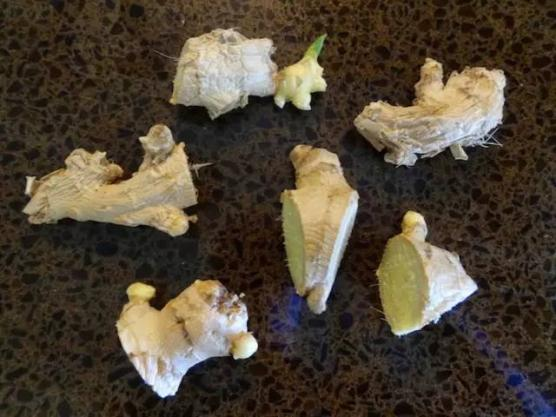
The sprouts of ginger are planted in a flower pot, covered with a large part of the earth, and water is poured in once and for all, without further water until the sprouts emerge。
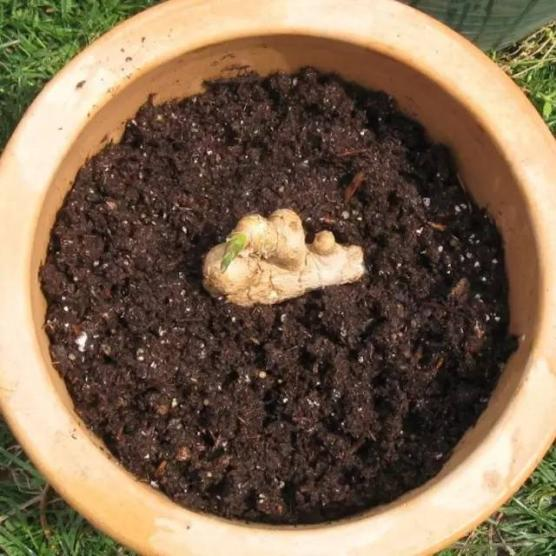
Three days later, the bud comes out, starts pouring water every three days and continues to wait for ginger to grow up
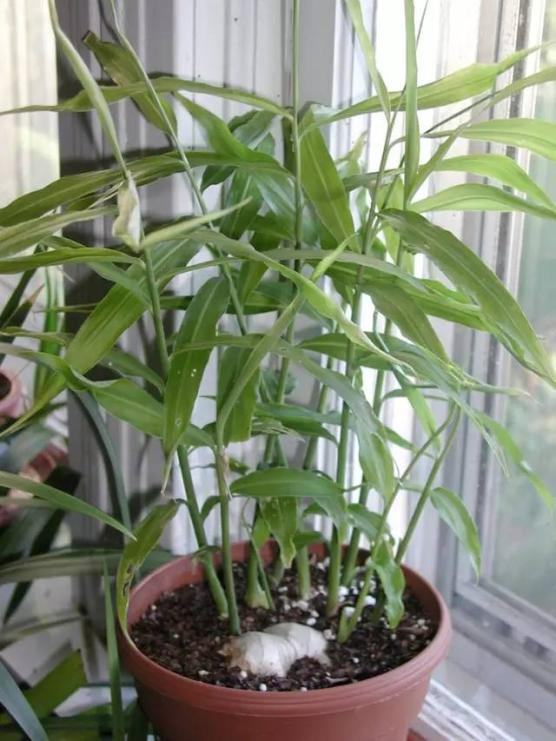
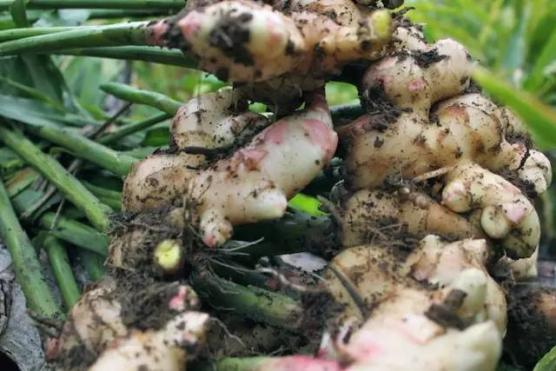
It's a very good thing to watch the ripe harvest of ginger that you planted with your own hands
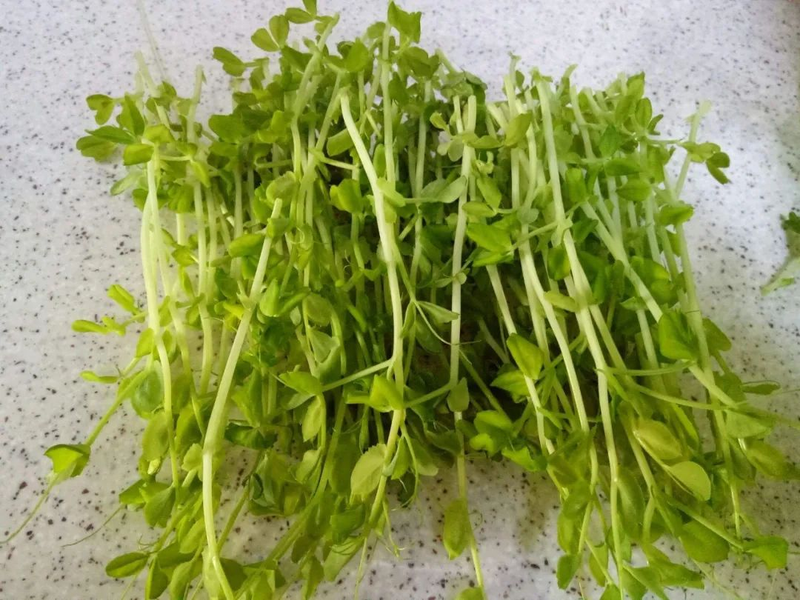
3. Peas seedlings
Steps:
1. Pick pea seeds full of particles to be immersed in warm water at 40°c for more than 24 hours, bearing in mind that the level of water must be less than peas。

After 24 hours of immersion, the peas will emerge with sharp sprouts, at which point they will begin hydroponic training。
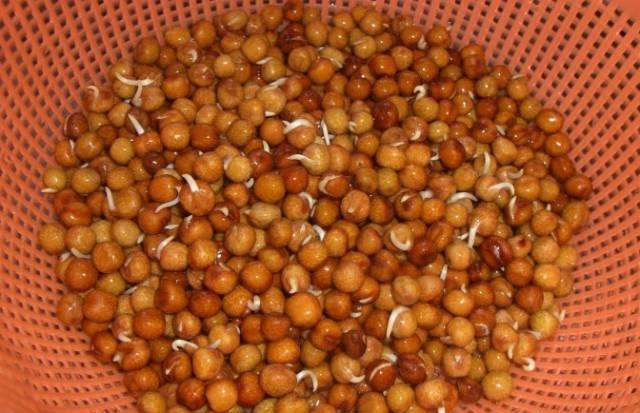
When the pea sprouts emerged, the seeds were placed on a waterpad with napkins covered with a layer of napkins that sprayed about two to three times a day, and completely sealed with plastic sheeting。
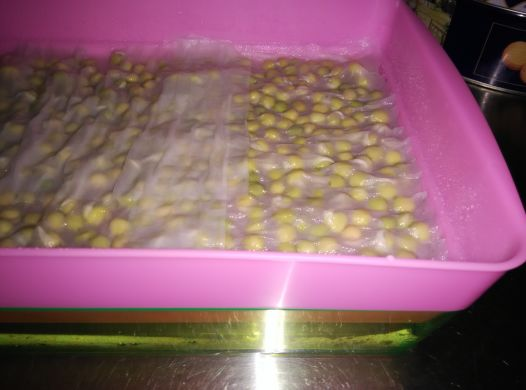
4. When pea sprouts grow to around 2 cm, you can remove the covered napkins and then put them in the sun and let them tan。
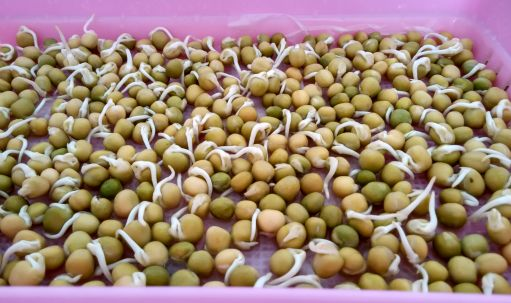
It'll take about 10 days for the pea sprouts to grow up and be very happy
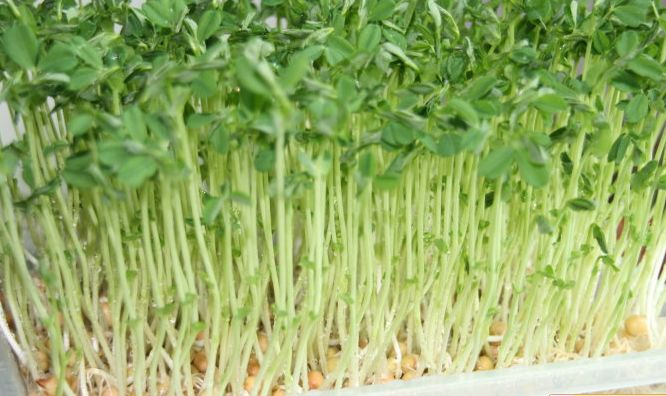
Six, when it's 10 cm or more, you can cut it down and eat it. It's very nice to wash off the pea seed, cook soup or cook
In the limited urban living space, you can also have your own “seed garden” with a balcony. The comfort and comfort of natural cultivation can be felt as long as operations begin, until the fruit and vegetables mature, and when they are picked with hands。



