


When was cucumber planting? What are the techniques for cucumber cultivation? Many friends have recently consulted on this type of cucumber cultivation. After searching for information on a large number of cucumber plantations, the mini-authors provided a detailed summary, as follows:
Cucumber planting time
Spring cucumber planting time
The spring cucumber is the cucumber that is grown in the winter and harvested in the spring, so let's look at the planting time and timing of the spring cucumber:
1. The planting time of spring cucumbers: the planting period of spring cucumbers is determined on the basis of the planting period, with a suitable calendar age of 40 to 50 days and a biological age of one leaf. If calculated by the age of the calendar, seeding takes place 40 to 50 days before planting. The length of the biological age is related to the method of birthing, which is 50 to 55 days of birthing in sunshields or solar greenhouses; 45 to 50 days of birthing in heating rooms; and 45 days of birthing in hotline greenhouses. So, there are different methods of breeding and the timing of planting. Rapid seeding has proven not only to save time, but also to be fast and strong, with high production in the early stages. Whenever possible, rapid seeding is used。
2. Timing of spring cucumbers: the planting time for spring cucumbers is 18 t or more after the local nightfall. Beijing, tianjin and ishibao are generally established after late april. In order to slow it down, it is necessary to choose the weather and not to plant it in the dark or in the wind. The density of planting is determined mainly by the characteristics of the species。
Autumn cucumber planting time
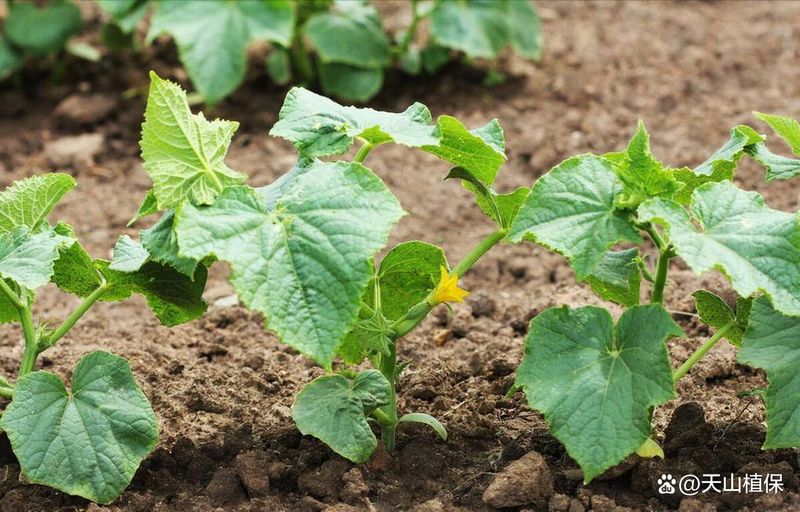
Autumn cucumber cultivation refers only to areas where the harvest ended before the beginning of the frost, whereas the permanent nostalgic area is a cucumber marketed in the autumn of summer cucumber extraction, which has a fertility period of between 80 and 90 days and can be cultivated either directly or by seedlings, field or shed。
Autumn cucumbers are usually sowed about 70 days before the fall of the frost, and seedlings can be planted 7-10 days in advance. Autumn cucumbers suffer from severe pests and low yields due to high temperatures and rainy seasons during periods of seedling and pre-growth。
Technology for cucumber cultivation
The early spring sheds are produced with four membrane cover and can harvest cucumber around 20 days in advance, free of public hazards. The production of 12,000 kg/acre, with an income of more than 8,000 yuan/acre, was generally achieved in mid-january, late february, when planting took place and ended in mid-march. Its cultivation techniques are summarized as follows:
1. Cultivation
(1) the selection of pre-temperature, post-temperature and disease-resilient good varieties such as jinyo 10 and boone 3。
(2) the seed treatment plant is tanned from 1 to 3 days before it is soaked, then the seed is burned with warm water at 55°c for 10 to 15 minutes, and the water temperature is constantly reduced to 30 to 35°c, the seed is rinsed repeatedly, and the water is purified with glue and immersed for 3 to 4 hours, and the immersed seed is fertilized with clean wet cloths for 1 to 2 days under conditions of 28°c, until 70% of the seed is seeded in white。
(3) trophic land for the formulation of nutrient soil and medicinal soil is mixed with high-quality decomposition organic fertilizers, 30 per cent of which are organic, and soil and organic fertilizers, which have not been grown with melons in the last three to five years. The sifted soil is mixed with more than 100 g fungus per cubic metre。
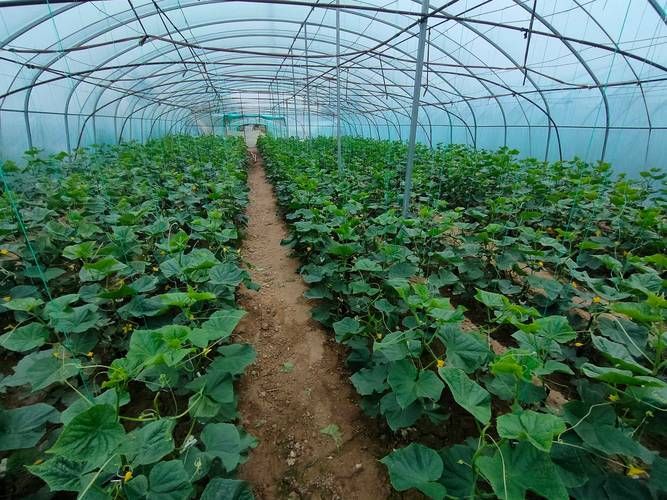
(4) cultivation occurs in mid-january or late, and can be established in greenhouses or energy-efficient sun-scatter rooms, with a total of 10 cm in diameter and 10 cm in height, with a nutrient soil of 8 cm in the interior, which can be filled with water, with a seed seed of 1 sprouts, 1 cm in the per-nutrient, and 1 cm in the coating of cover, and a membrane of cover, in order to provide protection。
(5) a membrane seal is used for two to three days following seed management of one seed, and when two thirds of the seed leaves are released, the membrane is removed in time. Shrimp periods are less watered than possible to prevent high temperatures and humidity from emerging from high-foot seedlings and the timely exposure of grasshoppers to increase light. 2 temperature management: the average day temperature should be kept at 25-30°c, not too high, and the night temperature must be kept below 15°c, preferably 12-13°c, 7-10 days before planting, seedlings, morning and evening showers, reduced water irrigation, increased ventilation and time, 20-25°c during the day, 8-10°c during the night, and one to two short 5°c exercise sessions. 3 standards for saplings: 15-20 cm tall, 1 centipede, 1 centipede healthy, chrysanthemums thick, roots strong and healthy。
Two, pre-plant
(1) fertilisation in whole areas should be based on organic fertilizer, supported by fertilizers, supported by bottom fertilizer, supported by nutrients based on the nutritional characteristics of vegetable growth and development, fertility patterns, soil nutrient content and target yield, using an expert fertilization system to determine the fertilization of vegetables, and balanced fertilization to ensure a balance of nutrients in the soil. High-quality fertilized organic fertilizers of 5000kg, urea 20kg, calcium perphosphate 75kg and potassium sulphate 30kg per acre are generally applied at the medium-fertility level. After the application of the geisha, the ground was 30 to 40 cm deep, the soil was mixed, the earth was flat, the earth was flat, and it was made of a 1. 2 m width, with two 10 to 15 cm high and a distance of 50 cm inside。
(ii) the “four-film cover” is used in the morning-spring sheds, i. E. A large sheet sheet film, a two-storey curtain film and a small arch-film on the slender, which was installed 20 days before it was installed to increase the temperature of the ground and could be stabilized by 12°c for three consecutive days within the shed. For the first five to seven days, two floors of the sky, 20 to 30 cm apart, with a polyethylene-free membrane of 0. 012 mm thick。
Three
A microbicide is sprayed once in the seedbed one day before planting, with an option of 50% more than 500 times the liquid, or 77% more than 700 times the liquid, or 75% more than 1,000 times the liquid. You have to choose the morning of the sun. Water is poured on the acres, seeded at a distance of 32 cm or so as to see the water seep to the semi-dive, which is referred to as a “water sapling” and is designed to plant about 3,500 circa per acre, where it is then sequestered in a small arch。
4. Field management
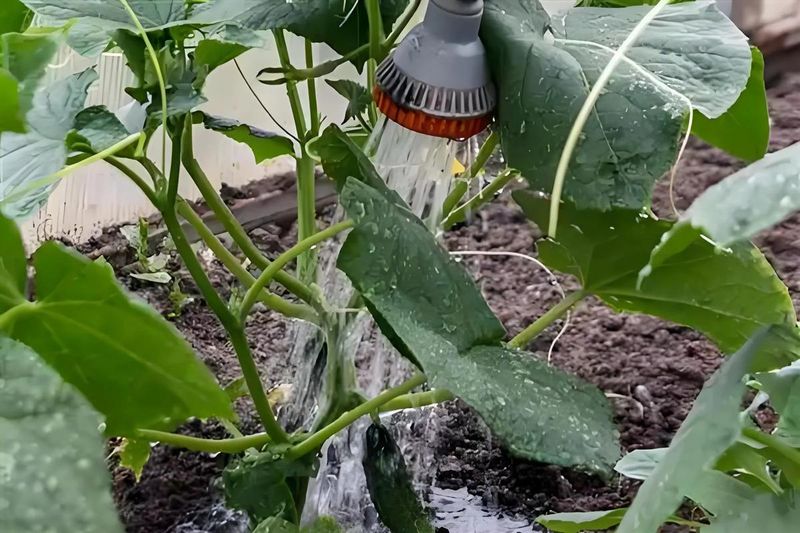
(1) when the temperature is just established, the temperature is low and must be suffocated immediately, even if the short temperature exceeds 35°c, so as to increase the temperature as soon as possible and contribute to the seedlings. There is no excessive temperature and no need for venting during the break. The small arch shed was removed in the morning in time to raise the soil temperature as soon as possible. When a cold seedling is released in due course according to weather conditions, it should be guaranteed that 21-28°c will last more than 8 hours and that the minimum temperature at night will remain at around 12°c. As the external temperature increases gradually, when the external temperature stabilizes at more than 12°c, it is ventilated day and night, and the sheds are best at 25-30°c in the morning and 20-25°c in the afternoon。
(2) the pine seedlings of china are followed by three to four pine plantings, from near and far, from shallow to deep, in combination with the pine seedlings of the country, which eventually form a small, tall plant。
(3) the water shall be sowed once, without subsequent drying. When cucumbers grow to 12 leaves, about 60 per cent of the cucumbers grow about 12 cm in size, urea 5-10 kg + covity 20-20-20 4 kg of water soluble, increased water needs after human guava periods, adjusted for long and weather factors; 8 kg + 10-15 kg nitrous compound fat for 20-8-26 water per acre; 7-10 days water for cucumbers before growth, with a medium-term interval of 5-7 days, with water being poured every three to five days, with the previous water being poured to water in the morning。
(4) after the fertilization has entered the guacamole period, a combination of water is used in pursuit of fertilisation, which is generally applied in the water belts, each acre at a rate of 8 kg + 10-15 kg nitrous compound fermentation per acre。
(5) the relative humidity of the cucumbers in the wetting shed shall be kept below 85 per cent and, to the extent possible, leaves shall be unscathed and water-free, preferably with long-lived flow drips to reduce the mist sheeting. It is necessary to keep the sheds closed until 33°c in the morning and then slowly open the wind and wet the air. The temperature was reduced to 25°c and the wind vent was closed, so that it was carried out two to three times a day and for two to three days in a row, reducing the humidity of the air in the shed。
(6) when the plant is grown to seven to eight leafs, the plant is 25 cm or so, removes the small arch, starts the rope, removes the chicken below the first melon at an early stage, and leaves the two leaves to the heart. When the main chicken grows to 25 leaves, he takes his heart and leads back to the melon, which must be picked in time to avoid falling。
(7) small arch sheds, the removal of small arches from the skylight usually 15 to 20 days after planting, when the ropes begin to be removed. As external temperatures rose, the sky was gradually removed and the light was increased, generally the lower sky was removed in mid-march and the second sky was removed in early april。



