Coordinated by the applied weather service
Suffering melons, originating from the southern tropical region of asia, are found in thorium, a year-old scavenging herbs. Suffering melons can be used as a botanical plant and can eat pine fruits. They have a high nutritional and medical value. They have the effect of cooling the heat, promoting appetite and helping digestion。
I. Requirements for environmental conditions of the bitter melon
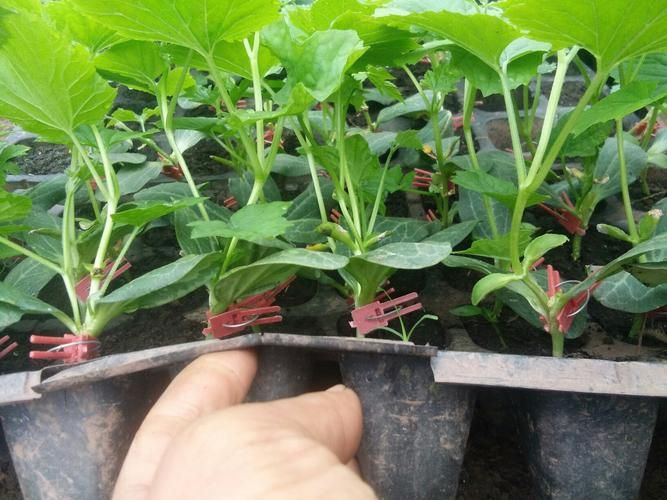
Temperature: bitter melons originate in the tropics and therefore require higher growth temperatures. Episode suitable temperatures of 30°c to 35°c and seedling growth suitable for 20°c to 25°c and slow growth below 15°c. Bitter melons bloom with a suitable temperature of 20°c to 30°c。
2. Humidity: the rough melon requires a high degree of soil moisture and air relative humidity, is humid but is afraid of rain and rain. It is poorly grown and prone to disease in rainy weather; it is appropriate to have water content of around 15 per cent in the general soil. The relative humidity of the air is 70 to 80 per cent appropriate。
3. Light: the requirements of the bitter melon are less stringent, but longer-term light is conducive to growing, flowering and producing, and improves the quality of the fruit。
Soil nutrition: tends to grow better on fertile and loose soils. The demand for fertilizers is higher for bitter melons, and if organic fertilizers are sufficient, the plants grow strong and produce more flowers and larger bars. Especially in the later stages of growth, if there is insufficient water, the plant is weak, the fruit is small, the taste of bitterness increases and the quality falls, resulting in a demand for adequate nitrogen fertilizer。
Ii. Cultivation techniques
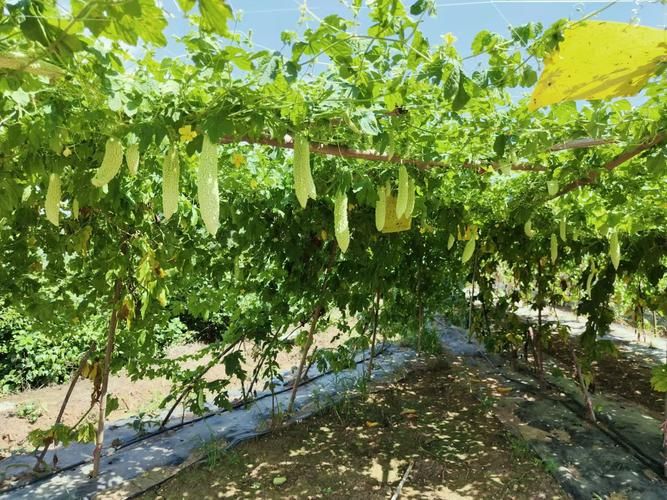
1. Cultivation: the seeds of bitter melons are thick and hard, do not germinate, and are usually impregnated from five to seven days before seeding. First, the seeds are immersed in a sack with cold water, then in a basin, and then in warm water at about 60°c, so that the seeds are not burned, and no more if the temperature drops to about 30°c. Bubble seeding is carried out for 12 to 14 hours, when the seeds are fully inhaled, the water on the surface of the leached seeds is taken out, then packed with wet cloths, and sprung at temperatures of 30°c to 33°c, which can be reduced to 25°c to 30°c in two days. Before the seeds start to grow, the seeds must be rinsed once a day with warm water, or the seeds must be flipped several times, so that the seeds are evenly heated. This gives rise to sprouts over a period of 7 to 10 days, and sows when seeds appear。
In the north-east, the planting period is suitable for late march. The seeding should take place in the morning or noon of the day, in order to increase the temperature of the nursery and to promote seedlings。
2. Slender bed management: after seeding, the plastic film or glass window shall be sealed so that the temperature in the bed rises to 30°c to 35°c for seeding. When seedlings are produced, the temperature should be reduced and kept at 25°c to 30°c during the day and 15°c to 20°c at night。
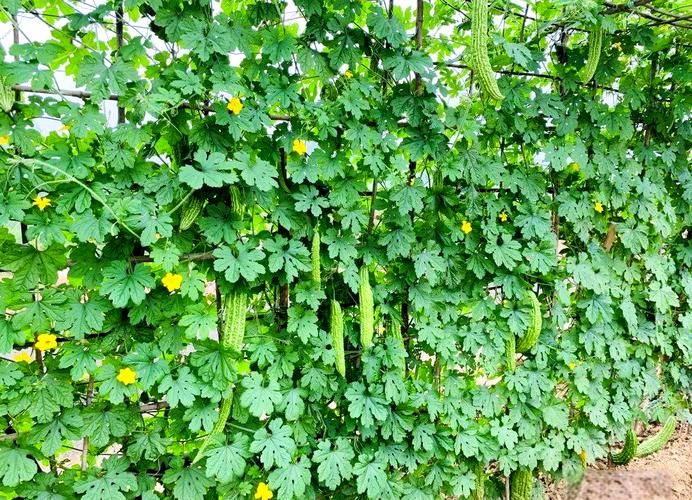
3. Fertilizer management: bottom water is usually poured before seeding and does not have to be watered throughout the whole seeding period, especially when a nursery bed is used. It is also generally possible to avoid the need for fattening throughout the seeding period, but it can be combined with water for two to three out-of-root fertilizations, with potassium phosphate sprayed at concentrations of 0. 2 to 0. 4 per cent, and double-effect microfertilization at concentrations of 800 times more, both to inhibit the occurrence of poisoning and to supplement the trace elements of the plant。
Fertilizer management is particularly important when hard-won seeds are planted. After entering the melon harvest period, water shall be watered every 7 to 10 days and shall be followed up every half-day to 20 days by a combination of water, in amounts ranging from 10 to 13 kilograms of urea per acre or from 15 to 20 kilograms of ammonium sulphate, or from 8 to 10 kilograms of compound fat. After entering the guacamole period, if it is not timely to catch up with it and lacks nitrogen, the plant grows thin, leaves yellow and green, few, small, low yield and poor quality。
4. Pest and pest control: the bitter melon itself has a special odour that makes it more resistant to pests and insects, as well as to medications, but during the dry season some plants are infected with the virus and are exposed to aphids and white lice and prone to anthrax during the rainy season at high temperatures. Aphids, white lice can be used for 2. 5% bromocylene, 10% chloroethrin pyrethrin, 20% oxidation = 6,000 times to 10,000 times liquid spray or 40% oxidated fruit, 80% ddv, 50% marathion, 40% acetyl methamidophos, 1,000 times liquid spray, works well. (source: li gwang-ryung, 29 march 1999)