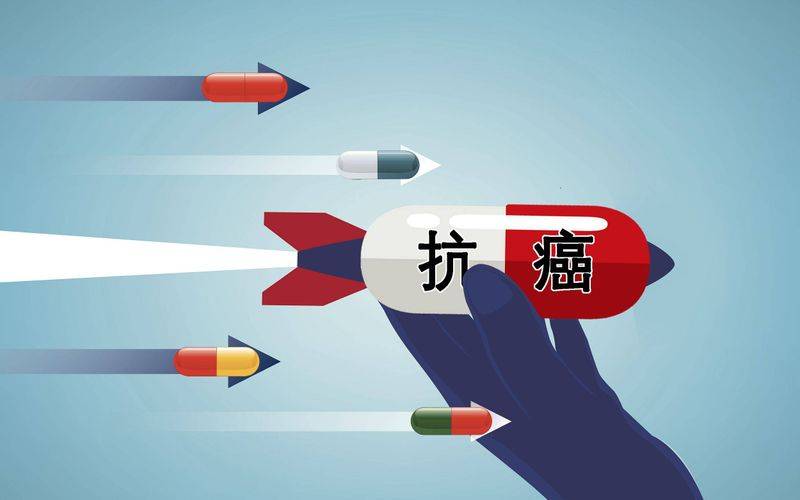
The diagnosis of cancer is a hammer for everyone。
Many received reports of pathology, and the specialized terminology of paper was cloudy, but the heart was filled with anxiety and anxiety。
In fact, many cancer pathology reports contain “positive signals”. If those elements were understood, there would be greater confidence in treatment programmes and greater confidence in subsequent life。
While some have diagnosed cancer, the key to stable and well-recovered conditions lies in some “good news” in pathological reports。

A high degree of tumour fragmentation means that cancer cells are not so bad
There is a characteristic of cancer cells: the more they look like normal cells, the easier they are to control, the more they are not human, the harder they become. Here the word “diverseness” is involved。
The so-called “high dichotomy” is the proximity of cancer cells to normal cells, their slow growth and their low degree of virulence. In general, this type of tumour is at a lower risk of proliferation and transfer, and is more readily available for treatment。
For example, early thyroid, breast and high-distort gland cancer tends to develop slowly, with treatment and long-term stability and even recovery。
Of course, cancer cells with a low degree of fragmentation (e. G., moderate, low, unbundled) are not uncontrolled, but may have longer treatment cycles and more complex programmes。
Thus, the description of “high” or “middle” in pathology reports is a relatively positive signal that cancer cells are relatively less “offensive”。
An inoculation, a nerve attack. It's a relief. Points
During pathological examinations, doctors are particularly concerned about signs of cancer cells “run out”。
If cancer cells already penetrate the veins or lymph tubes, they may be moved along these corridors to other places, which is called “pulse immersion”. Neural aggression, on the other hand, is the spread of cancer cells along the nervous route, which increases the risk of local recurrence。
If the pathology report clearly states “no pulsation” or “no neurological intrusion”, this means that cancer cells are currently “limited” and have a lower risk of proliferation。
As a result, the effects of the operation would be better and the likelihood of relapse would be reduced。
For many people with mid- and late-stage cancer, even if the tumor is not small, there is hope that life will be prolonged through comprehensive treatment as long as there is no visible leaching and transfer。

It's clean. It means "clean."
It is the “boundary” left by the doctor during the operation when he removes the tumor. If pathological reports show “several negative” or “no cancer cell residues”, they indicate that the tumor has been fully removed, the edges clean and there are no cancer cells left。
This is critical for the future. Because even if the tumor itself is removed, if there are “fish leaks” on the edge, there may be a local recurrence。
So in the pathology report, the description of the tangent is crucial. Many people who have emerged from the cancer have one thing in common: the operation is complete, clean and well recovered。
This is a very important “good signal” for cancers that can be surgically removed。
Without a lymph knot transfer, it's a positive turning point
Carcinocyte transfer often begins with lymphoma knots. The cancer is “out of the nest” and the doctor is primarily looking for a lymphorate transfer。
In general, doctors remove the nearby lymph nodes from the operation for examination, if the pathological results indicate that “no lymph nosy transfer” or “all lymph nodes are negative”, which means that cancer is still confined to the original hair and spread has not yet begun。
For many cancer patients, this relates directly to the phasing and direction of treatment. Patients who do not have lymph transfers tend to have access to surgery, treatment or local chemotherapy, with more visible results, and more active combination treatment is needed when lymph transfers occur。
It would be a relief if the report clearly indicated that “untransferd” or “transferd” was small and limited, indicating that there was still considerable room for control。

If you read the pathology report, you don't turn around
When the pathology report is available, many people look at a myth of medical terminology, and in fact they have a few points of focus, which gives them a general idea of whether the disease is important or not. In addition to the four points mentioned above, there are several other points that deserve attention:
Organisational types, such as gland cancer, indicate the origin of the tumor; different types are sensitive to the treatment。
Immunisation markers, which sometimes report indications of proteins, genetic expressions, are important grounds for judging the effectiveness of tumour properties and subsequent treatment (e. G. Target orientation, immunotherapy)。
Ki-67, an indicator of the rate of growth of cancer cells, is the higher the value, the more active it represents cell fragmentation and the higher the degree of malignity。
It is not to turn people into doctors, but to be less confused and more proactive in the treatment。

In the face of cancer, mentalities also affect longevity
In addition to the pathology report itself, there is another factor that cannot be ignored: “mentality”。
Medical research has found that patients who are optimistic and cooperative tend to recover faster and have a better quality of life. As positive emotions contribute to the maintenance of immune functions, they also enhance the dependence of treatment。
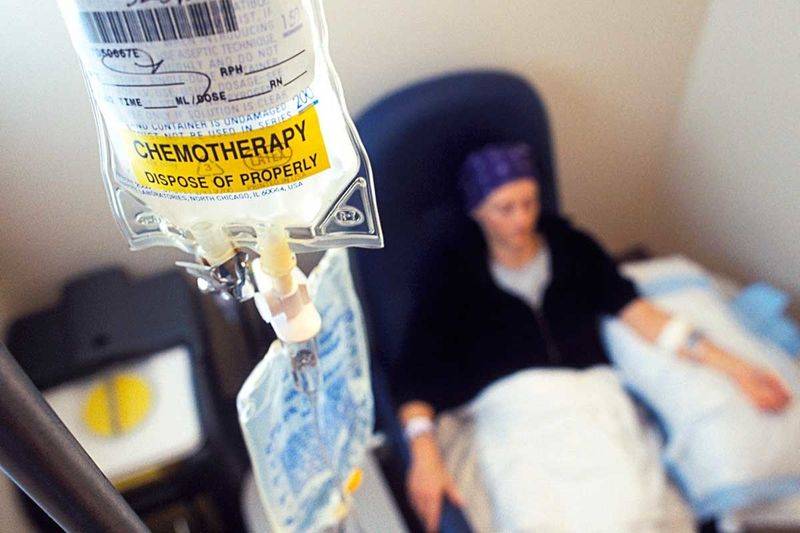
Many people have been diagnosed with cancer, and some cancers can be controlled as chronically as long as they are treated properly. The point is: don't give up, don't be afraid to talk. In the face of disease, the more calm the more you find the right path。

The cancer pathology report is not a “sentencing judgement”, but more like a body statement. As long as those positive signals can be seen, coupled with scientific treatment and long-term management, life can still be of quality and hope。
Whatever is written in the report, what really affects the outcome is not just the lines, but what we are going to do next. Understand it, cooperate with it, overcome it, many have done it, and we can do it。
The individual's personality varies widely, the above views and content are for reference purposes only, and medical attention should be provided in a timely manner if there are symptoms of discomfort。