


Cercis chinensis is a soybean bush or a chorus known for its unique view of flowers and leaves, covered with purple red trees, as “family harmony, brotherhood”. Here are the main points of scientific conservation that help you develop a healthy purple。
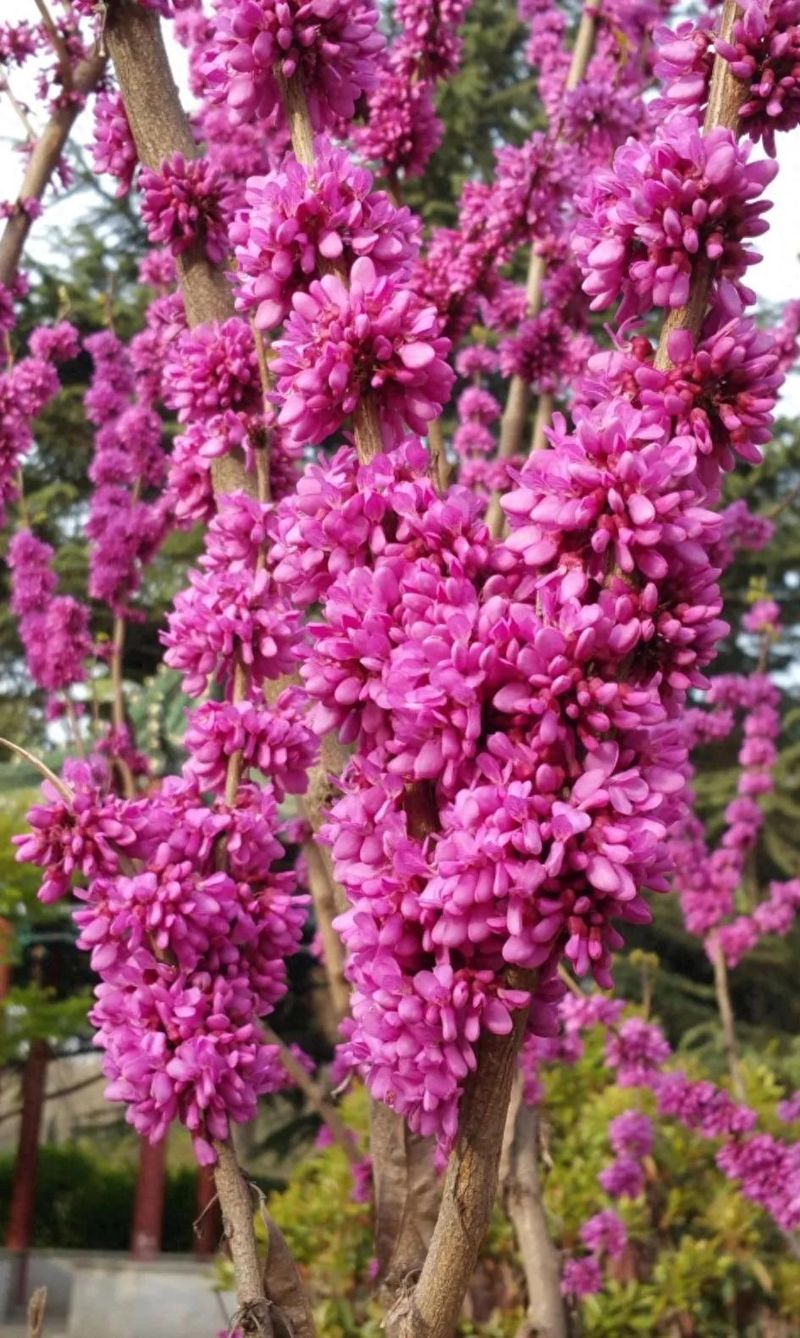
Basic characteristics
- form: a field of 3-10 metres high, tree skin dark gray, close circle of leaf and paper, pre-eminence sharpness, velvet or pink, born in old branches and trunks, 3-4 months, 8-10 months fruit。
- distribution: from china, from the north to the south, which is widespread, cold-resistant (20°c can get through winter) and heat-resistant (40°c without pressure)。
- practising: glamorous, semi-negative; warm, wet, drought-resistant; and obscurant soil, micro-tacid to neutral, deplete。
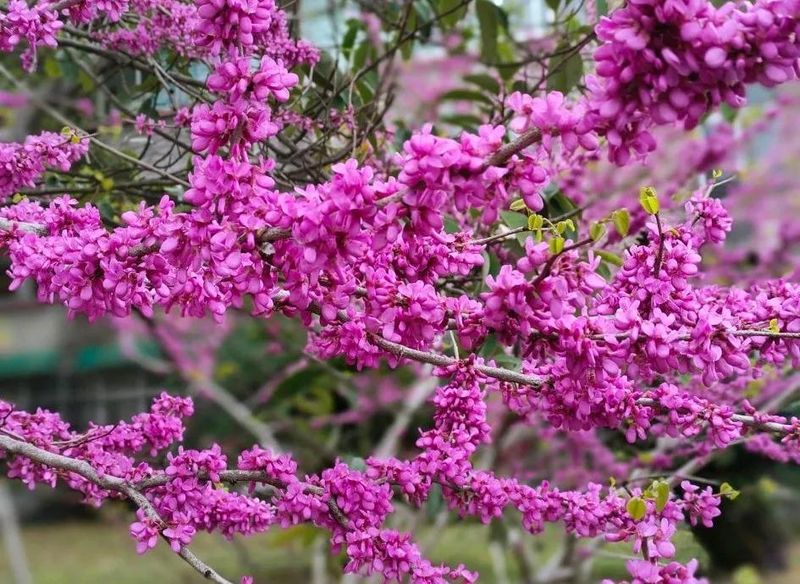
Ii. Conservation techniques
1. Light and temperature
- best day-to-day: the three seasons of spring, autumn and winter ensure a direct light of more than six hours and a proper shade of shade during the summer heat (south)。
- cold and heat-resistant: the northern field can naturally get warmer in winter, the southern summer without protection, and the sun will get more bright。
Soils and cultivation
- land-laying: land is ready to be planted on a field, pelvis is recommended on a leafy soil: landscape: river sand = 3:2:1 to be added to decomposition organics fat
- cultivation time: spring and autumn with earth ball transplants, dig holes 50 cm deep, plant fertilizers and water
3. Water-water management
- dry and wet alternation: keeping soil wet for long periods of time, and running water in a timely manner during the rainy season; proper management of water after flowers and promotion of thawing。
4. Points for fertilization
- base fertilizer: fertilized organic fertilizers (e. G., chicken manure) before the spring sprouts。
- fertilizers: composite fertilizers after flowers to promote the growth of new branches; increased phosphorus potassium fertilizers in the autumn to increase resilience。
5. Decoration
- light cutting after flowers: cut flowers, twigs, diseased branches, keep strong branches and keep the trees ventilated。
- renewal of the old branch: replacement of part of the old branch each year, promotion of new branches and extension of the period。
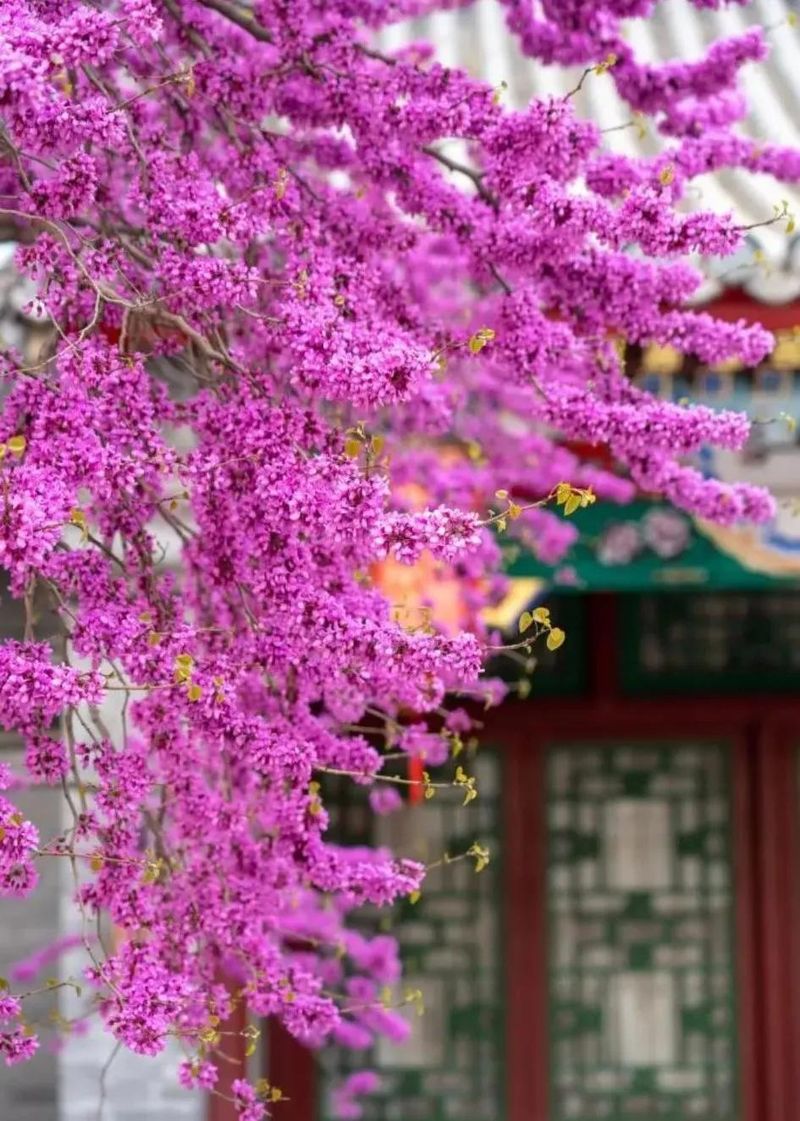
Iii. Methodology
1. Divisional reproduction (commonly used)
- following the fall of the leaves or before the spring sprouts, the separation of the base of the mother plant, with its roots moved and high rates of survival。
2. Plug-in reproduction
- small twigs: during the summer, half-wood branches were selected, two leaves were retained, sanded soil was inserted, shaded and wet, and roots were formed for about a month
- stipulation of hard branches: a year of healthy branches in the spring, with root agents。
Cultivation
- cultivation in october, drying up winters; 24 hours of immersion in spring water the following year, seedlings in sandy seedlings and flowers in two years。
4. Stifling/marriage
- curse: choosing a strong branch in the spring and summer and cutting it apart。
- bridging: common purple beads are used for spring cut-off for variety improvement。
Iv. Pest management
1. Diseases
- decryption: early foliage is yellow, strains are removed and soil is disinfected, and roots are placid。
- leavetary: removal of leaves, spraying of manganese zinc or methyl tobuzin
- plasmosis: copper sulphate spray during seedlings。
2. Pests
- aphids/ moths: sprayed with trichlorfon or cyanethrin。
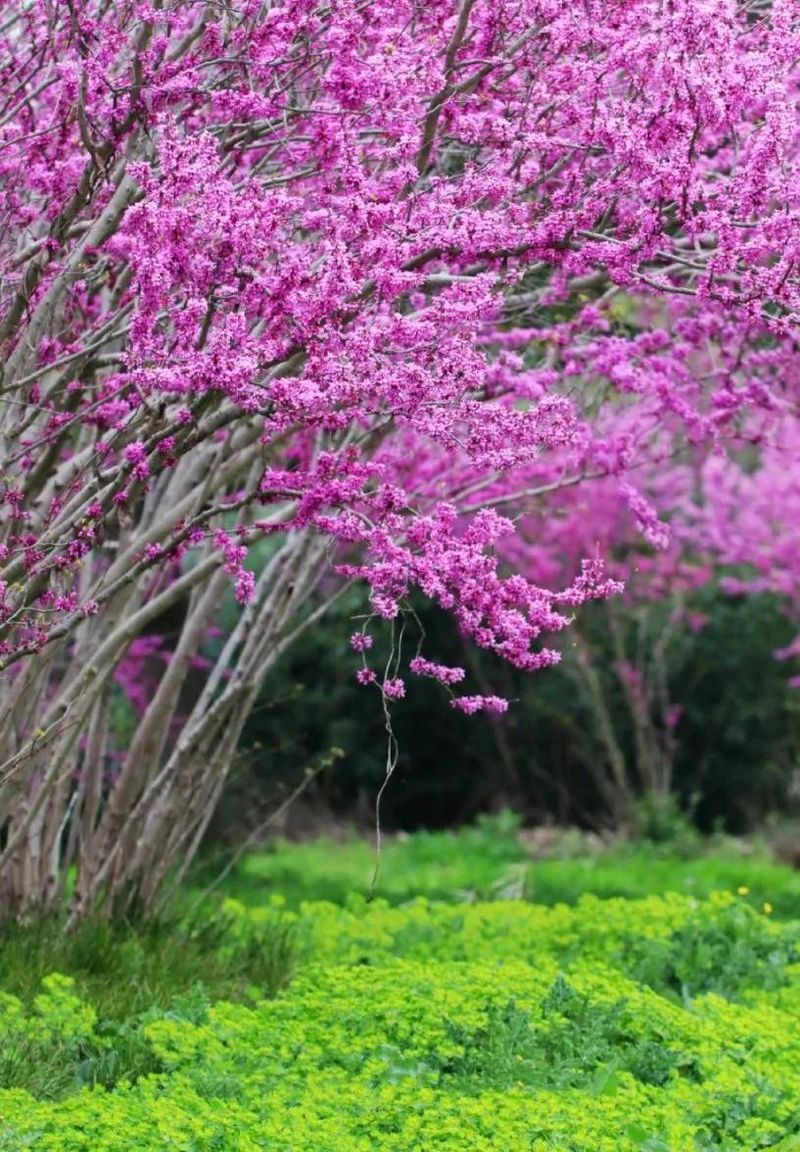
V. Notes
- indulging in infertile but inundated: the land needs to be planted with high levels of drainage, and the bottom of the pelvis is covered with gravel。
- adaptive: one change in three to four years is not necessary。
- combating pollution: dust can be absorbed and suitable for urban gardening。
Culture and uses: edible (cooling, tea), medicinal (live blood sterilisation), often isolated or shrouded in the garden, with a sense of good fortune; the hong kong city flower "sprout" is a red flower shawl, unlike the native purple shawl。
Interactive topic: is the purple flower in your house like "the purple gas"? Have you ever tried to make food with purple flowers? Welcome to your planting story
Caution: gloves are worn during shearing to avoid juice irritating the skin; hands wash when an allergic is exposed。



