Elements of technology for the cultivation of small potato without harm
I. Selection of varieties
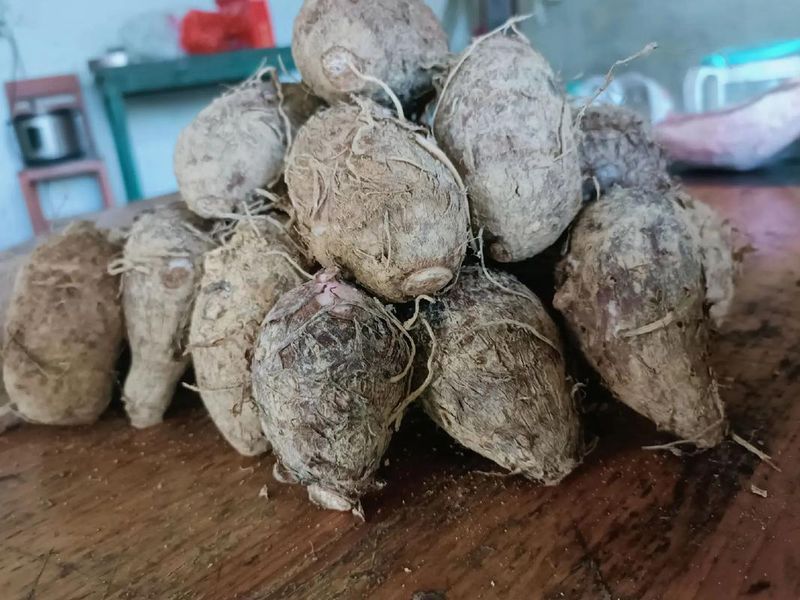
High-quality, high-yield disease-resistant varieties, such as tacos, are selected。
Ii. Selection of fields, preparation of fields
The tamarind taro has certain requirements for soil conditions, choosing fields with deep, high fertility, no contamination, easy drainage and sandy soil。
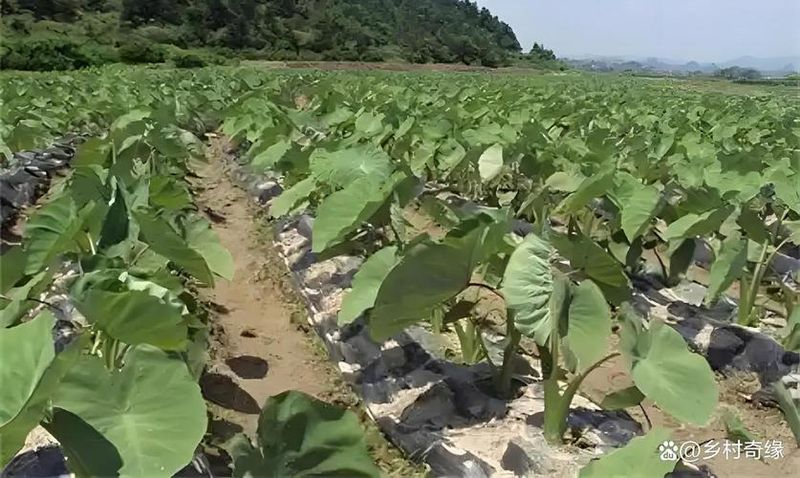
Before planting, the fields were tanned, the soil levelled, the ditches were opened and the ponds struck, so that the fields were levelled, earthed and deep。
Iii. Cultivation
Taro cultivation is divided into membrane early potato and dry potato. The membranes seeded between late december and mid-january, and the meds planted between late march and early april. Technical measures for membrane taro cultivation are largely similar to those in drylands. Choosing to be free of pests and pests, the size of the seeding is even, with an average of about 100 grams per species and 350-400 kilograms per acre. The pond is 35 cm x 35 cm and the acre is planted in 3500-3,700 cm。
Iv. Field management
1. Fertilization
Bottom acre application of red trigonometry (n:p:k=15:15) 40-50 kg, calcium 100-150 kg, seedlings (after the rain is due) began fertilisation, acre application of red trigonometry (n:p:k=16:10:20) 75-100 kg, fertilisation combined with weeding, earth-breeding, membrane fertilizer fertilization with fertilizer。
Ii. Irrigation
The membrane taro is filled with water at the right time, and the soil is always humid in the field, but in order to prevent the soil from diluting in the field, it is mainly dependent on natural precipitation in the drylands and is used manually in good water conditions. The taro fields need to control the water holding of the soil and be careful to drain after heavy rains。
3. Weeding
The seeding was followed by pre-breeding weeding, with herbicide herbicide herbicide herbicide 20 ml/acre to 60 kg of water. Potatoheads are permanently engaged in artificial weeding in combination with processes such as fertilization and pine soil。
4. Pest management
The main diseases of taro are viral disease, anthrax and disease。
The virus is sprayed with 20 cc and 80 g of acetic acid (green show) per acre with 60 kg of water. Anthrax, disease acreage is 40 ml from amisida, 20 ml from amisida, 40 ml from riffan and 60 kg from water。
Potato-head pests are mainly found in earthworms, yellow ants, aphids and caterpillars. Treatment of underground pests with 30 ml of chlorocypermethrin cream for water of 25 kg or 1,000 times the amount of thiophos-methyl cream. Insects such as aphids, caterpillars, etc. Are treated with amytal salt or avil 30-40 ml in water for 60 kg of spray。
Collection
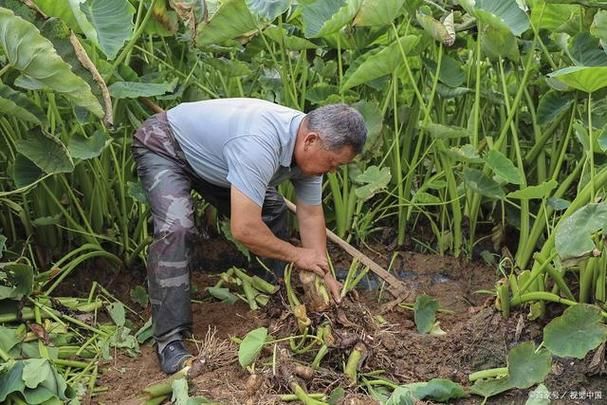
No fertilisation during the first month of the harvest, no medication, and soil drying. If the market is good, membrane taro is generally available for collection in mid-july, and in drylands it starts in mid-october. The harvest period for taro, which needs to be stored or planted, is delayed by more than one month, and the remaining taro is generally selected for dry land. The birth period in daejeon is about 190 days。