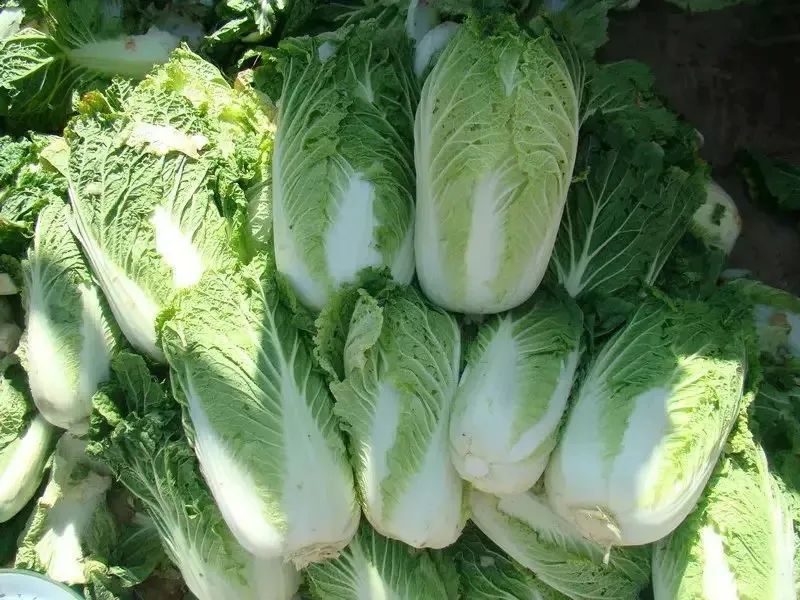
Varieties selection
Autumn cabbage cultivation should select varieties that are resistant, disease-resistant, compact, of good quality and productive。
Set the broadcast time
Autumn cabbage is suitable for planting from north to south from july to september. Early seeding can prolong the long-term for large cabbage, but is prone to early decay and disease due to high temperatures; and late seeding, although low in incidence, results in lower yields and poor condensation. Pre-cooked cabbage is normally sowed in mid-july through early august, and mid- and late-cooked cabbage is generally sowed before and after autumn, depending on local climatic conditions and the characteristics of the varieties。
Land, ground, fertilisation and fertilisation
It is advisable to choose flat, easy to drain, deep sandy soil, border soil or sticky soil cultivation requires the cutting of uncultivated cross-flower crops such as oilseeds, carrots, cabbage, cabbage, etc. The front line is the best onion crop, whose root circulants can inhibit the occurrence of soft cabbage。
After clearing the garden, weeds were cleaned, the soil was tanned 10-15 days later, the soil and the fertilizer were flattened by applying 3000 to 4,000 kg of curing organic fertilizer, 40 to 50 kg of phosphorus and 1 to 1. 5 kg of boar. This is done in a variety of ways, such as flat, high, high and improved small, with more high or flat to the north of the yangtze basin and more to the south. It is usually 1. 2 ~ 1. 7 m wide, 20 ~ 30 m long and 20 ~ 30 cm deep。
Planting seedlings
I. Revision
It is broadcast live by means of a broadcast or a cave, with a large amount of seed, easy to preserve, low density and limited capacity to preserve seed. It is a shallow ditch with a predetermined range of 0. 5 to 1 cm deep on the surface, where seeds are spread evenly and then flatbed with fine earth. The den is a shallow ditch of 15-20 cm in diameter and 2-3 cm deep, with three to five seeds per den, 0. 5 to 1 cm in top soil and water。
Ii. Cultivation
The nursery beds should be selected for high-lying terrain, easy drainage and soil fertility. It is also close to the planting field, with a nursery bed of 1 ~ 1. 5 m wide, with a foot fertilizer applied to the platinum, with a fully fertilized organic fertilizer of 1. 2 ~2 kg per square metre and approximately 50 grams of phosphorus fertilizer. The above-mentioned fertilizer is scattered behind the bed, tilling 15 to 20 centimetres, and then plastering the soil. It is also possible to plant two to three seedlets per den, using dens or nutrients. Water is then poured over the sunnet. The planting period for seedlings is generally three to five days earlier than live。
Field management
(1) feeding, seedlings and seedlings
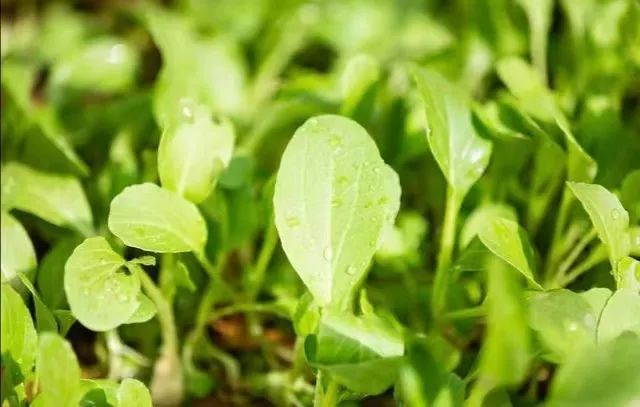
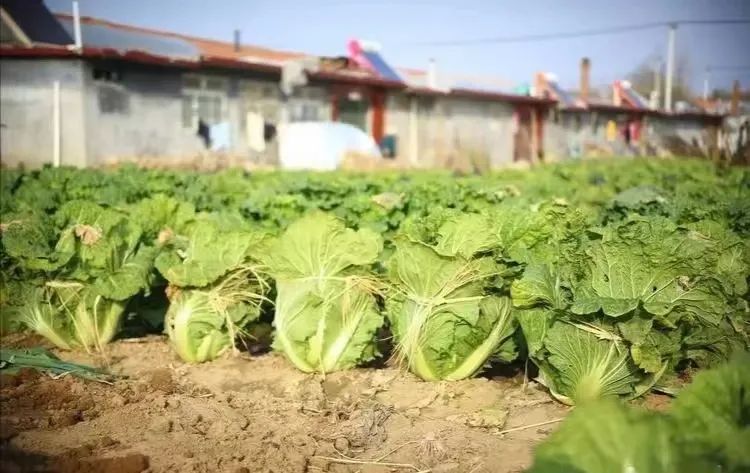
The cabbage range from sowing to the end of the seeding period is 18-25 days, representing about one quarter of the total fertility period. The seedlings should be identified in a timely manner when the cabbage is available to prevent the loss of seedlings, which should be done sooner rather than later and which should not be small. Three days after the seedlings were released, the first seedlings were carried out, and the second seedlings were carried out when three or four of the leaves were given to prevent the growth of the seedlings, with the four-leave pericardium 1 to the five-leave perplexing period set for planting. At the end of the period a seedling is established and a seedling is selected at the distance required。
(2) cropping
Weeds are growing at a rapid pace during the preceding period, and weeding is to be done in a timely manner to reduce soil nutrients and water loss, and on several occasions before the closure. Cultivation can facilitate the decomposition of organic nutrients and contribute to the growth and development of cabbage. But beware of the shallows and not the roots。
(3) fertilizer water management
The seedling season is expected to keep the soil humid and is usually sowed once on the day, once on top of the top, once out, once out, and when seedlings, plantings or replants are established, care is taken to water small water and not to overflow with heavy water. It is not appropriate to overwater the water during the term, which requires the dry and wet rotation of the soil, intermittent control of water seedlings and control of the strength. Large amounts of water are required during the terminal period, with wet soil and adequate water being required for the pre-term and mid-term periods; water is needed to reduce the water supply in the post-term period, and water is stopped 8-10 days before the harvest to enhance the sustainability of cabbage。
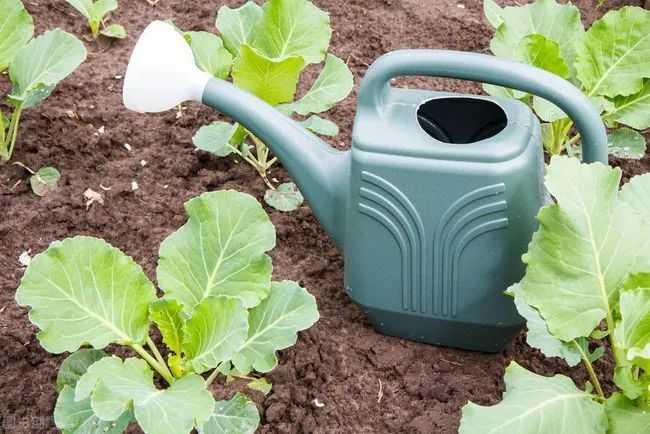
Fertilisation is mainly based on one-time base weight, with a minimum of two times, 25 kg of urea per acre, 15 kg of urea per acre and 10 kg of potassium sulphate, respectively, during the distribution period. Calcium fat and boron fat, see what happens。
(4) belt leaves
The bellows tend to be rounded up with straws or potato vines, etc., at the end of the pick-up season of cabbage, and are bound to one third of the top of the ball, usually 10-15 days before harvest. The beams help to prevent the frost from harming the foliage ball, to harvest and reduce the foliage damage, and to plant other crops. However, the beams are not conducive to the luminous co-operation of leaves, the accumulation and operation of nutrients and the enrichment of leaf balls. So it's good enough to harvest in time, and it's good enough to grow。
Pest control
There are more pests and pest control in the production of large cabbage, which is key to high quality production. With regard to pest and disease control, prevention is in principle an integrated approach, priority is given to agricultural control, physical control and biological control, in conjunction with scientifically sound chemical control, which has often been mentioned in public opinion centres in previous periods, and which are of interest for information. The following is a discussion of the use of medications for the high incidence of cabbage and pests。
The main diseases are viral disease, morbid disease and frost disease, and the main pests are aphids, larvae, moths, etc。
Virus disease: 20 per cent of the virus a-wettable powder 600 times more + 500 times more anti-cinoxin generally is sprayed at the onset of the disease。
Soft decompression: 2% of the peptoxin water – 800 to 1,000 times the fluid, 1,000 to 1,500 times the mesmeractin, etc. Were used for rooting or spraying at the beginning of the outbreak, with emphasis on leaf handles and tubers. The strain should be removed in a timely manner and a layer of lime should be spilled around it。
Frostosis: 75 per cent of bacillus clean-wettable powder 600 times more liquid at the beginning of the disease, 58 per cent of mercuric manganese zinc 500 times liquid, and 70 per cent of desen manganese zinc 500 liquid alternate spraying。
Aphids: 10% amphibian humid powder 1,500 times the fluid, 5% amphibian humid powder 1,500 times the fluid, 2. 5% high-efficiency chlorocypermethrin cream 1,500 times the fluid, etc。
Vegetables: 2. 5% high-efficiency cypermethrin emulsifiable concentrate 1,500 times the liquid, 25 g/l bypermethrin emulsifiable cream 1,000 times the liquid sprouts。
Small moths: 50 per cent of the amphibian water dispersant 2000 - 3,000 times more liquid or 10 per cent more enzyme water dispersant 1500 - 2,000 times more liquid spray。
Collection in due time
Cereals are collected between 7 and 80, and winter food is collected as late as possible, but before freezing. The harvest should preferably take place in the afternoon, with one or two extra leaves on the market. Proper drying and reloading, reduced water content, increased cabbage flexibility and reduced mechanical damage。