I. Shoots
The chosen entry not only avoids the occurrence of some endemic diseases and pests, but also uses useful strains in the soil to promote the growth of cabbage。
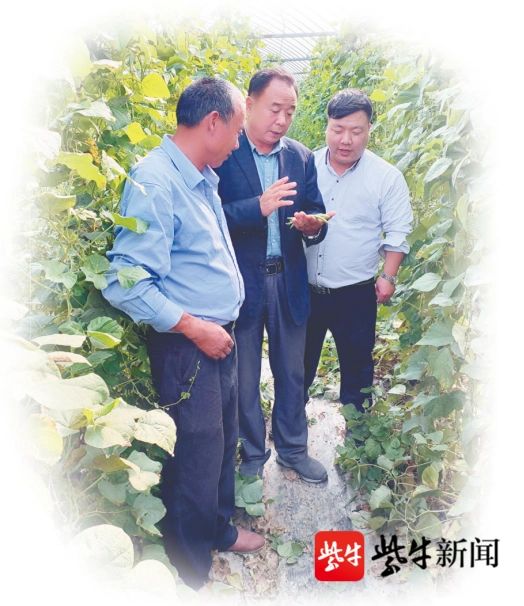
For example, pulses, which have a nitrogen-fixing effect on the root bacteria of the soybean plant, are beneficial for the rooting of large cabbage seedlings; earlier crops, such as potatoes, can have sufficient consolidation time and are different from cabbage, with different diseases and pests; and the roots of garlic crops can inhibit the occurrence of soft cabbage and a good entry for the cultivation of large cabbage。
Ii. Selection of varieties
While cabbage is the main food vegetable in winter, winter seasons are also the main part of cabbage. The main factors affecting the high productivity of cabbage are the high incidence of catastrophic weather during the growing season and the serious occurrence of diseases (predominant viral diseases, frost, septic disease). Consequently, production has to be focused on combating three major diseases in order to improve the productivity of large-scale cabbage, which can be grown by the choice of cold-resistant and high-quality varieties, such as pre-natural no. 5, chinese no. 62 and han dong-yung。
Iii. Sowning
(i) radio
It can be planted manually and mechanically. Artificial seeding is a shallow ditch of 0. 6-1. 0 centimetres deep in the centre of the top of the roof, where the seeds are spread evenly, where appropriate, and where they are suppressed, in close contact with the soil。
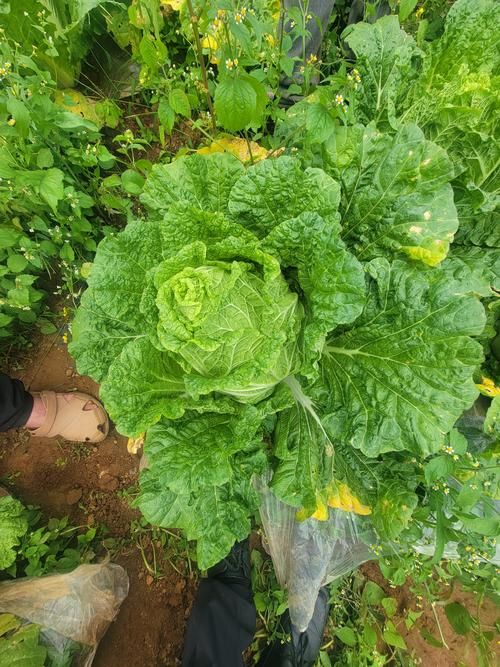
Large-scale seeding can be done by sowing machines, especially in areas with more concentrated seeding periods, where mechanical seeding can save on sowing, maintain even densities, maintain a balance of depths, and produce whole seedlings
(ii) peaking
Grounds of 0. 6 - 1. 0 cm deep, 5 - 8 cm long and 3 - 4 cm wide are dug on the floor at fixed and long distances, and seeds are then evenly distributed in the caves, covering the ground. Caucasian seedlings are expensive, but they are sowed in small quantities, have more equal distances, have more capacity in the tops of the seedlings, and have a balanced area of nutrients。
(iii) disconnection
On the basis of the range requirement, a 7-10 cm gutter follows the line and is then seeded. Is it easier to control the distance, so as to facilitate seedlings and seedlings
Iv. Field management
(i) saplings and seedlings
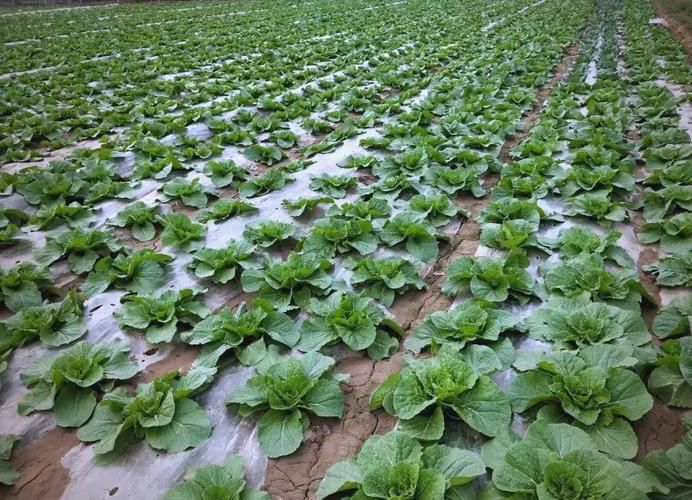
When big cabbage comes out, it needs to be identified in a timely manner to fill the gaps, and to be implemented in a timely manner in order to prevent the growth. The first seedlings can be carried out at the time of the bellows of 2 to 3 real leaves, mainly to remove the seedlings that are too late, have abnormally shapes of the leaves, are weak and crowded, and the second seedlings can be carried out at the time of the 5 to 6 leaves, selecting the seedlings whose shapes and colours are consistent with the characteristics of their species and removing the seedlings. After each seedling, water should be poured in a timely manner to prevent young seedlings from loosely affecting water intake and atrophy. At the end of the period, a seedling is selected at a distance and can be sprayed once, not only to prevent the disease, but also to increase production
(ii) cropping
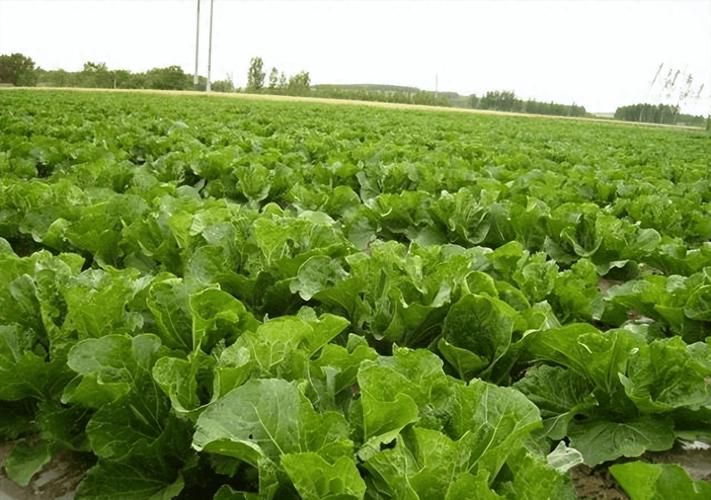
(a) the rate of growth of the weeds in the preceding period is fast, and the time is needed for weeding in order to reduce soil nutrients and water loss, and the need to be careful of shallow weeds and not to damage roots
(iii) fertilizer management
It is necessary to keep the soil humid during the period of seedlings, which are normally sowed once on the day, once on top of the top, once out, once seedlings or replants, and then water, so as to be careful not to overflow with water. It is not appropriate to overwater the water during the term, which requires the dry and wet rotation of the soil, intermittent control of water seedlings and control of the strength. Large water is required during the terminal period, with wet soil and sufficient water required for the pre-term and mid-term periods; water is needed to reduce water supply at the end of the final period, and water is stopped 8 to 10 days before the harvest to enhance the sustainability of cabbage。
When arable land is combined, base fattening is applied and the land is ploughed in a timely manner. Fertilisation is mainly based on one-time base weight, with a minimum of two fertilisations, with corresponding nutrient supplements at different stages of growth, such as 25 kg of compound fertilizer per acre during the gestation period, 15 kg of urea per acre at the beginning of the ball and 10 kg of potassium sulfate。
(iv) pest management
The main diseases of cabbage are those of viruses, frost and morbid diseases, and appropriate technical agricultural measures, such as seedlings, can be taken to reduce the humidity of the field and thus the incidence of disease。
Virus disease: 20 per cent of the virus a-wettable powder 600 times more + 500 times more anticsin at the beginning of the disease。
Frost: to prevent seed-borne bacteria, we must do seed disinfection. In the early stages of the onset of the disease, spraying should be done immediately, especially on the back of the old leaves, using 75 per cent of the bacteria to clean the wettable powder 600 times the fluid, and 40 per cent of the acetphorus aluminum humid powder 300 times the liquid interchange。
Softly decomposed disease: 2 per cent of the peptoxin water is administered with 800-1,000 times the fluid and 1,000-500 times the mesophyllactin, with a focus on leaf handles and tubers. The strain should be removed in a timely manner and a layer of lime should be spilled around it。
The main pests are aphids, larvae, moths, etc., which can prevent pests from being eaten using their alkaline composition and which is a natural potassium fat that can feed cabbage。
Aphids: 10 per cent of aphids are humid powder 1,500 times the dose。
Vegetables: 2. 5% high-efficiency cypermethrin emulsifiable concentrate 1,500 times the liquid, 25 g/l bypermethrin emulsifiable cream 1,000 times the liquid sprouts。
Small moths: 50 per cent of americium water dispersants 2000-3,000 times more liquid or 10 per cent more than carcinogen dispersants 1500-2000 times more liquid spray。
Note that pesticide use is prohibited 7-14 days before harvest to prevent pesticide residues。