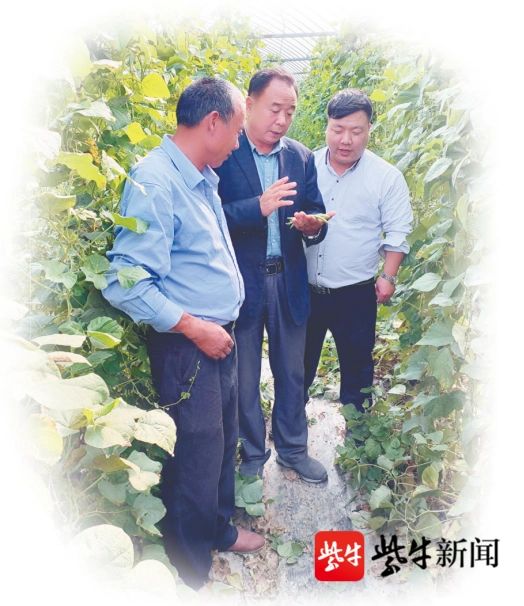
Autumn cabbage efficient growing techniques
Autumn cabbage is the main food vegetable in the winter season and is also the main part of cabbage. It is therefore important to grow good autumn cabbage. The main reason for the high productivity of cabbage is the high incidence of catastrophic weather during the growing season and the high incidence of diseases (principal viral disease, frost, septic disease). Consequently, production has to be focused on combating three major diseases in order to improve the productivity of cabbage。
1. Selection of excellent varieties
The variety of cabbage is large and can be divided into three basic ecological types, namely, straight cylinders, roundheads and egg vertebrates, but for reasons related to the growing season, it is necessary to select medium- and late-run varieties that are resistant to disease, cold resistance, high-yielding and resistant to storage。
Time of seeding
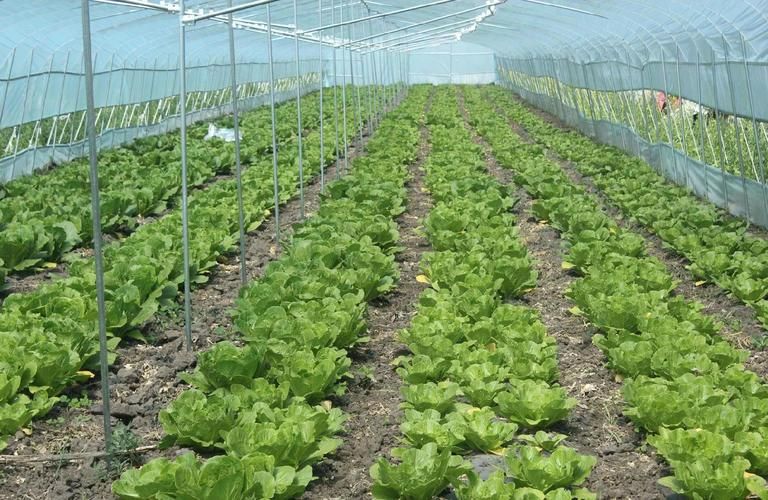
As a general rule, seeding is appropriate for three to five days around the fall, and the year of high temperature can be postponed until mid-august. Disease-resistant, long-lived late-literate varieties can be broadcast early and medium-heat varieties with short growth periods can be broadcast late for several days。
3. Pre-preparatory work
The fact that cabbage cannot be associated with or rotated with other cross-flower vegetables is one of the important measures to prevent pests and diseases. A ditch of 5-10 cm depth, where water is watered first, and when water permeates, the seeds are spread evenly in the ditch, and a fine soil of 0. 8-1 cm thick is spread, each acre of about 0. 50 kg. Following the seeding of large cabbage, measures were taken to keep the ground wet and lower surface temperatures. In the absence of rain, water is usually poured once in the month or the next day in order to wet the face. The second water sown on the third day caused most of the embryos to emerge。
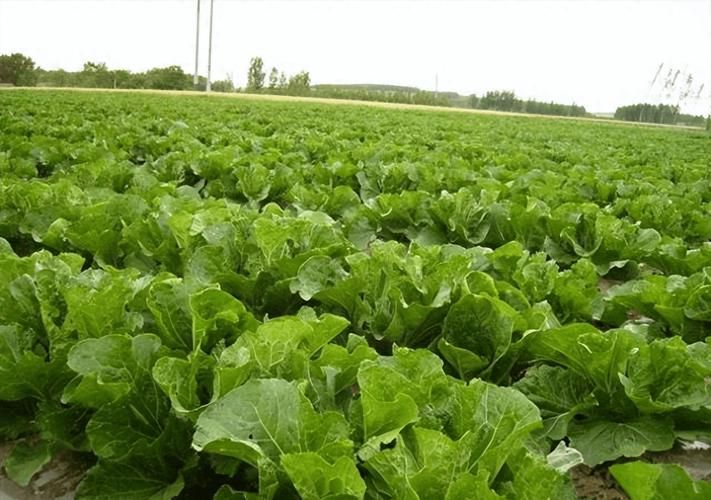
Shrimp management. This refers to the management of the sprout from the seedlings to the congested tree, which shall be saplings in time, once in each of two to three or four to five saplings, and the removal of weeds, sick and weak. The six leafs were sprung and ploughed in time to avoid injury. It is not appropriate to be shallow. It's usually set at 5-6 real leaves。
Move the plant. The age of the seedlings is generally 15-20 days, and the optimal period for transplantation is when the seedlings have 5-6 real leaves. The transplant is best done in the afternoon. Appropriate density is determined by the characteristics of the species. Water immediately after planting. The water will be poured every morning and every evening for three to four days in order to keep the seedlings alive。
4. Fertilizer water management
(i) getting fat. The production of large cabbage is high and requires a high level of fattening, which is based on the application of bottom-to-floor fattening. Premiums generally do not follow fat. If underweight, for the first time, 10 kg of ammonium sulphate per acre may be applied to both sides of the seed, with water immediately referred to as “supplementation”; for the second time, 15-20 kg of ammonium sulphate per acre may be applied to either side of the gutter after seeding or planting; for the second time, 15-20 kg of ammonium sulphate per acre may be applied to the giraffe; for the third time, 25-30 kg of ammonium sulphate per acre; for the third time, 10-15 kg of calcium per phosphate may be applied to the acre, and the fertilizer may be applied into a ditch or den, then a little bit of the soil may be pumped and then water may be poured, known as “big pursuit” and for the fourth half of the ball, 15-20 kg of ammonium sulate per acre may be applied with water and referred to as “hearting”。
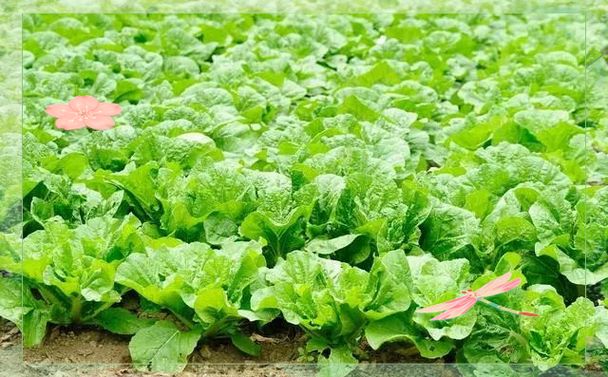
(ii) watering. The cabbage can be properly watered at a decreasing temperature from a congested to a lichen season, which can be properly managed for several days at the end of which it can be watered after the third fat chase. Since cabbage requires the most moisture after it enters the terminal season, it is necessary to pour the water once after the sapling has ended. Then, two to three days later, the water was poured again. This time is important, as the soil breaks dry, and it breaks the sides, strewn the roots and affects the ball. Thereafter, water is usually poured once over 5-6 days to keep the soil wet。
5. Tilts and harvests
In the later stages of cabbage growth, the weather is volatile, temperatures are declining, and frostproofs are required to bind in time. Usually, 10-15 days before the harvest, water is stopped, leaves are lifted up, leaves are held up and leaves are bound with immersed yams or grain grass. Make the wrappings tighter and continue to grow. The first two to three days of snow should be harvested in a timely manner and laid out in the fields, pending the atrophy of the leaves, so that they can be stored。