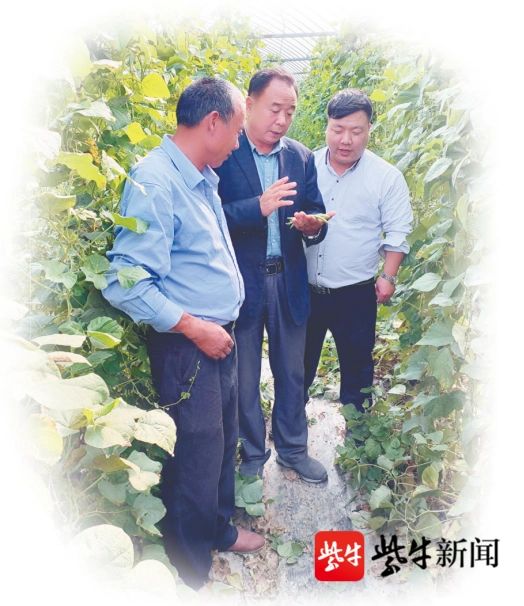
Not to mention stabbing sprouts, stale crows, dragon-tooth wood, tiger-stingling stings, etc., born in the forest, in the silk, in the forest, in the open, in the green, as part of the food, in a variety of ways, to feed, to fry, to sauce, to make soup, to make or to make different flavors of pickles, to be known as "the lord of the mountain's wild vegetables", let's look at the technique of sprouts
The future of sprouts
Stinglings grow freely in the natural environment, in less demanding environmental conditions, with a high rate of seed breeding, high growth and low cost, without any risk and easy to manage. Artificial cultivation is also in its infancy, with fewer resources and increased social demand, with a huge domestic and international market, and a sprouts of high-level hotels worth hundreds of dollars. However, as a result of successive collections, which have resulted in the death of plants, the destruction of wild resources, the annual decline of production and the failure of production to meet market needs, the development of fertilizing artificial production is a priority, and there is therefore a wide range of prospects for development。
The benefits of a sprouts
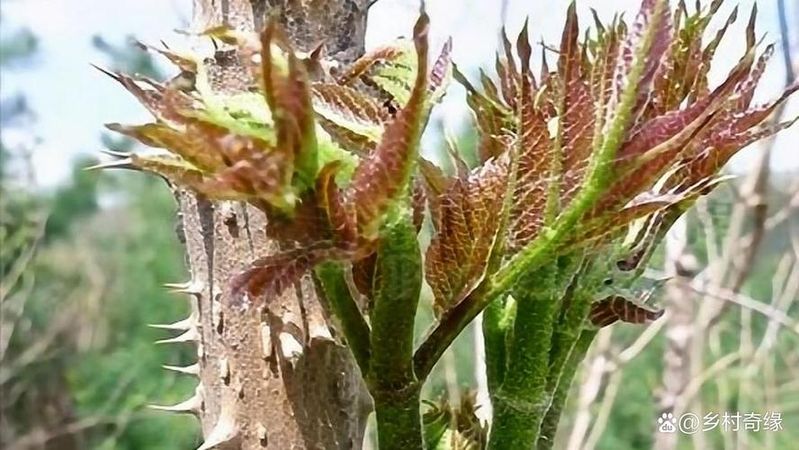
Production: two units per square metre of artificially planted sprouts, 0. 5 to 1. 5 kg per plant by artificially domestication, 2,000 units per acre, or approximately 1. 5 tons per acre。
Benefits: the sprouts are very rich in nutrients, and the amount of natural wildlife is very low, with international market prices ranging from $5,000 to $10,000 per ton and an acre of economic income ranging from $75,000 to $15,000。
Sprung seed
1. On-site seedlings: during the time of making a bed, either in the autumn or spring, the flat plot is selected to be fined and fined, 300 kg of manure is applied to mature farmers, 50 kg of nitrous, phosphorus and potassium compound fat is combined with a single application in the whole area, and then the bed is made, 1. 2 m wide, 10 cm high, sowing is available after completion of the bed and the planting time is set for late march until the festival. The sprout seed is small and, in order to improve the quality of seeding and to achieve uniformity, it should be sowed with sand, with 10-15 kg per acre。
2 discrete seedlings: the use of plastic platters for early seeding in greenhouses can be set about two months before transplantation, the matrix can be used to add a small amount of spoiled and high-quality farm fat and compound fat, and a small amount of yellow mud to increase viscosity. When seeding, a 3/4-deep matrix is filled with water and treated seeds. For reasons of safety, it is best to sow an average of 15 to 20 seeds per hole, with a thin sheet of base or hill cover on top of the seed, with a thin sheet of platinum on top。
Breathing techniques
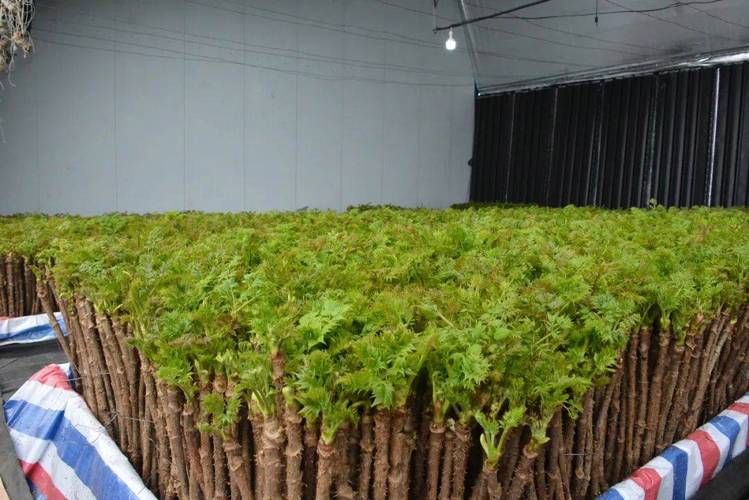
1. Timing: a sprout of seedlings up to 10 centimetres or more can be established when the minister has a number of needles, and the seedlings must be planted by a ventilated and controlled water, usually at temperatures of 10 centimetres or more in the early spring, in a manner similar to planting trees。
2. Stemming density: the sprouts are well developed and the leaves are thick, and if the distances are too narrow, they will affect the ventilation and lead to the masters. One plant per square metre is more rational and can be reasonably wide-ranged, best designed at 1. 8 metres and 0. 6 metres, so that 700 dens can be planted per acre。
Cultivation management
Weed protection: in the first year, weeds are highly vulnerable, herbicides for general legume crop applications are more effective, but the type of pesticide most effective in sprout weeding has yet to be tested further, and if artificial weeding is used, care must be taken not to harm root systems during weeding. After the summer, the sprouts have grown to a certain height, and the leaves have flourished, when the threat of weeds is left to be managed。
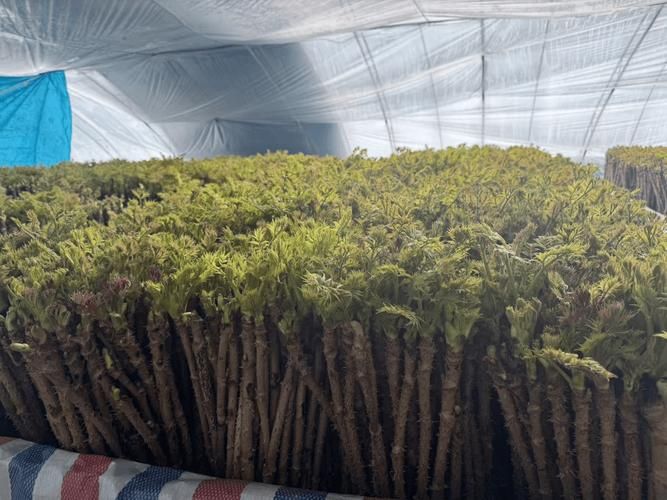
Water management: water management is primarily for the prevention of spring and drought, and plots for the breeding of tubers need to be closer to the source of water, so that they can be watered as soon as drought occurs and so that they can grow. In addition, sprouts, although glamorous, are not resistant to flooding, so in the event of a flood and flood, ditches should be dug immediately around the plot to alleviate the situation。
3 cutting the whole branch: the sprout sprout principle makes the plant high enough for harvest, promotes multi-haired branch and root system development, increases production, cuts close to the base of the branch, leaves four to six sprouts and cuts the upper part. The trim is completed before the flow of early spring tree fluid and can be produced long after harvesting。
4. Reasonable pursuit of fattening: cultivation should be properly pursued in accordance with the strength and growth of the ground, with agricultural and chemical fertilizers available, which can be laid directly on the top, on the top or in the den, and chemical pits applied to the ground。
5. Quick harvest: after the trenching of the sprouts, the first to fifth sprouts or the second sprouts of sprouts in the lower sprouts can be picked many times, preferably two to three times, and not many times, so as to avoid treasing trees, sprouts of 10 to 15 centimetres, leaves that have not yet been developed, and side sprouts spread early and can be picked at 5 to 10 centimetres。