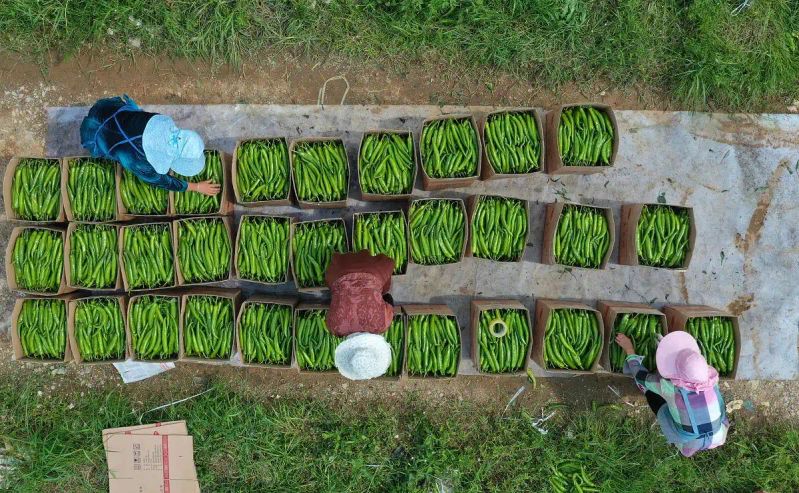
Hello, fellow farmers. Welcome to the garden club. I'm the vegetable owner. This time we talk about the traditional technology of pepper cultivation, which is generally open-air, an old planting technique, with the following eight points of pepper production, not to mention. Let's get to work
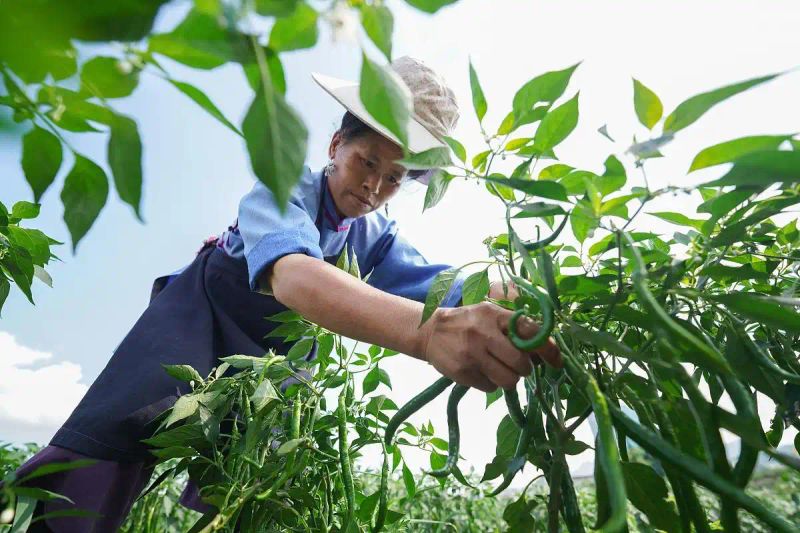
I. Fertilizing the whole area
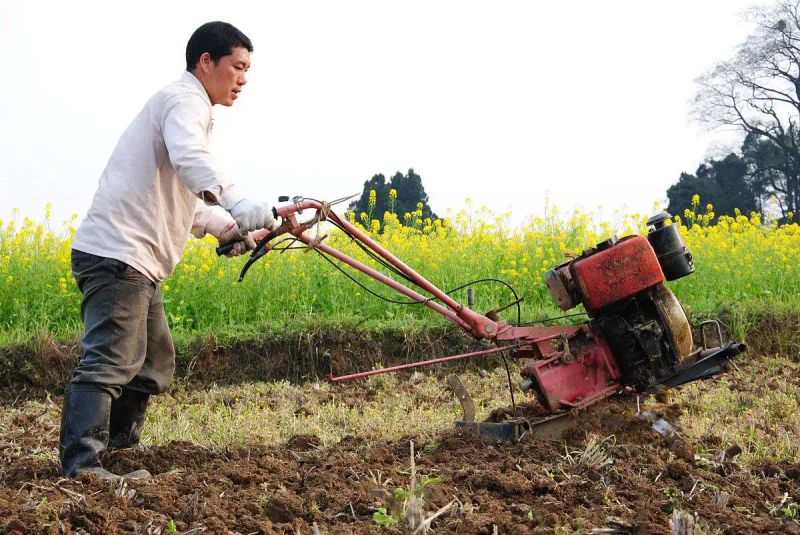
Paprika requires planting on high-lying or sandy soils, and because of its long life, the nutritional conditions of the soil require a high level of fertility rather than a high level of production in soils with above-moderate fertility. Additional applied fertilizers, with organic fertilizer of 5,000 kg per acre and calcium perphosphate of 20-25 kg per acre, and preplanting water and drain canals, depending on the nature of the peppers, which are not drought-resistant or flood-resistant. When the ground is rolled up, it must rise up and be made. The north is generally dominated by the north, and the south is dominated by the south。
Ii. Standing
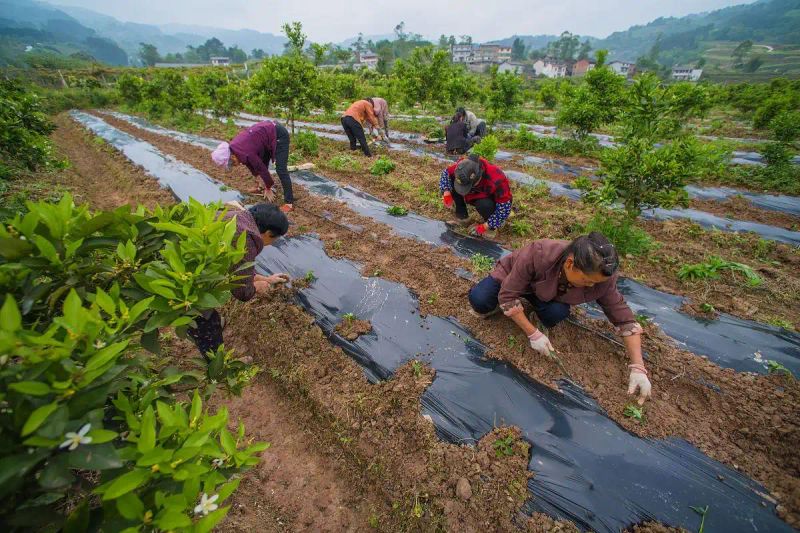
Paprika is grown at roughly the same time as eggplants, and before it is established it can open a ditch to tan, with wind barriers in good condition, or short-term coverage using a small plastic archer, which can be set up about a week in advance. The paprika root system is shallow, preferably in shallow ditches, with light ground, which is later cultivated。
Iii. Cultivation density
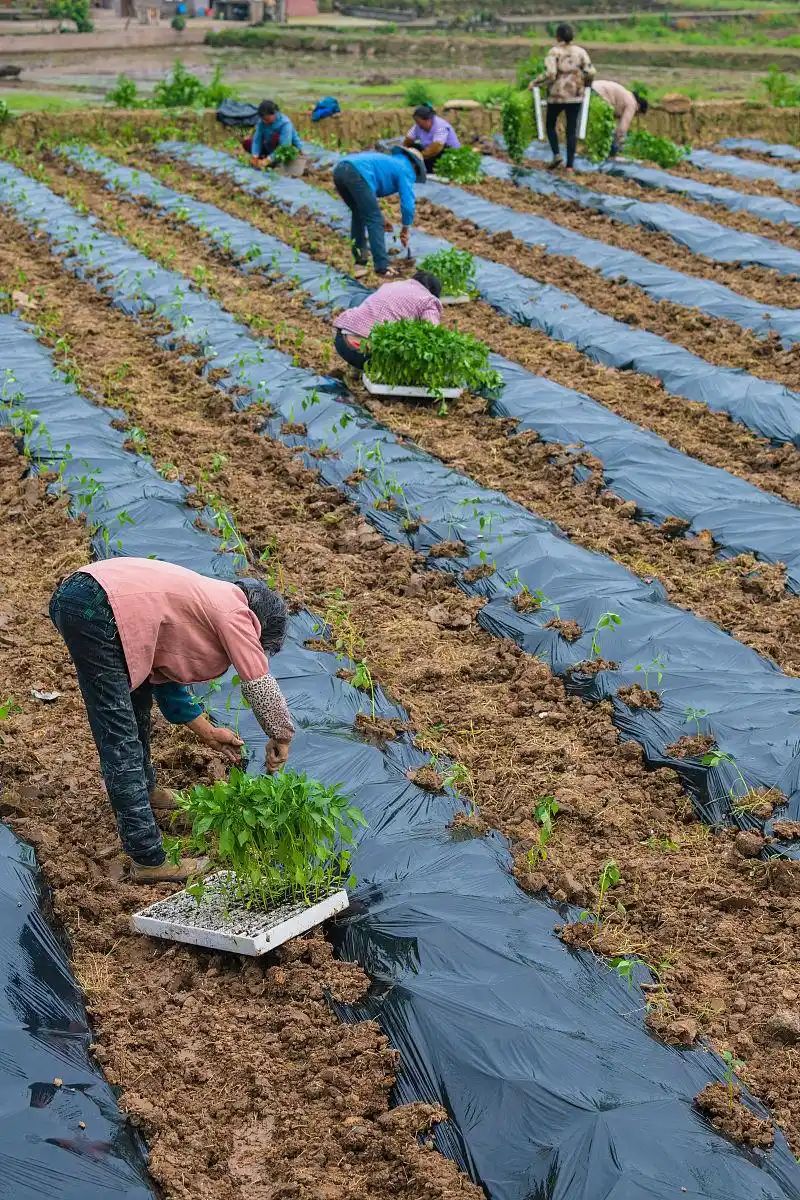
The chilli strain is compact and suitable for dense planting and can be covered early and light. Cultivation density varies from 50 to 55 centimetres, 25 to 30 centimetres per acre, 4000 dens per acre, 2 per lacuna and 2-3 per lacuna. In the northern region, one row per plant, one row per plant, and in the southern region, two or three lines per plant。
Iv. Post-value management
Chili is characterized by warmth, fatty, watery side, while not resistant to high drought, strong fat and the worst water-watering side. Thus, according to the different periods of growth, careful field management is required, with root growth after planting, with a large number of results and fruit extraction periods contributing to the effects, and with a later harvest. After planting, the temperature is low and the chili roots are small and weak. With less water, pine land should be ploughed in a timely manner in order to achieve warmer, safer and more productive roots. Once planted alive, water is combined with a thin human urine of about 1,000 kg per acre. It is not advisable to apply additional chlorine fertilizers during the flowering season in order to avoid the loss of flowers caused by the longer。
V. Management of the sheath period
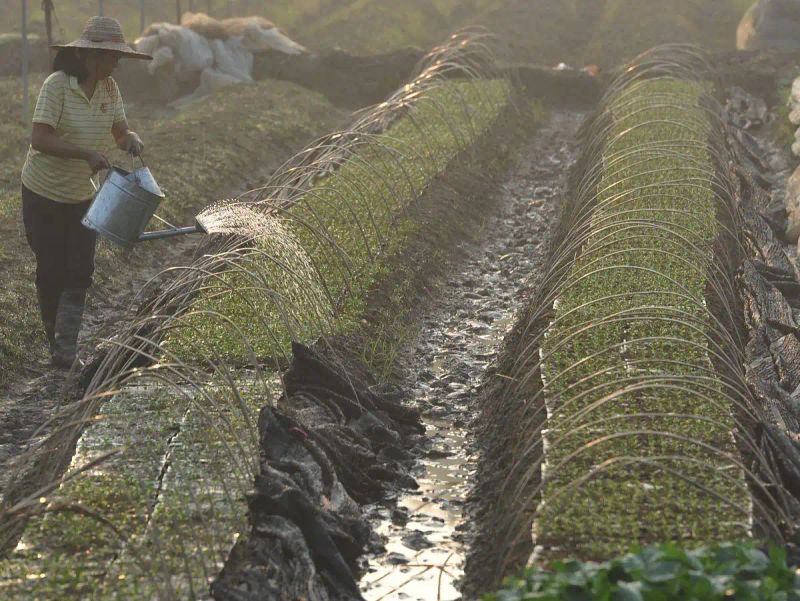
When the bellies (one of the bottoms) grow to a certain hour, water should be poured and fertilized once, and when the bellies are harvested, the second and third fruits will expand rapidly, and the 4116 layers of fruit will bloom, and they will soon enter the festive season. This should be done in a timely manner, with 1,500 kg of human urine or 20-25 kg of ammonium sulphate/acre per acre, with the soil being kept moist, in order to pre-empt the fruit, with a view to sealing it before the hot season。
Vi. Prevention of inversion
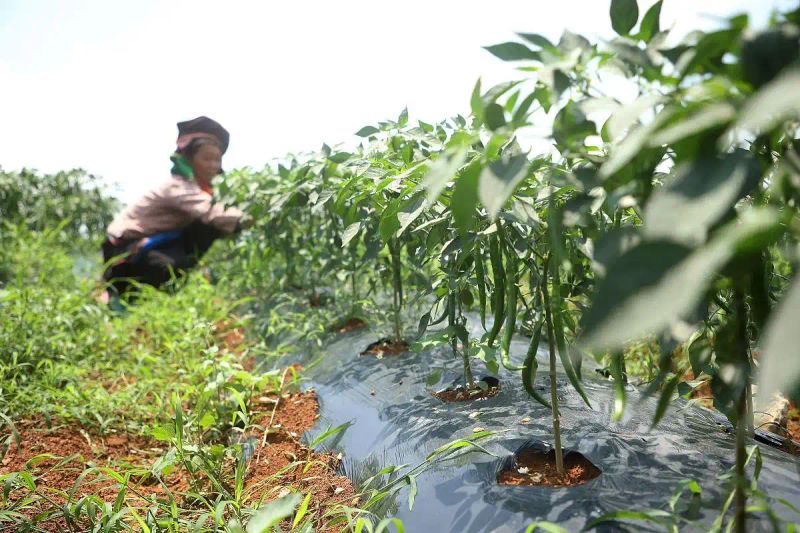
In order to prevent inversion, the roots should be cultivated before the seal. In the north, before the rainy season in mid-june to july, water should be used to keep the soil and air moisture appropriate. In the south, before the onset of the high-temperature dry period, ground-covered grass is used to sow a layer of grass or wheat shells on the plume, and then the mud that will be plowed together with the ditches to protect the roots, lower the temperature, keep the water, and then fertilize once after each harvest。
Vii. Water management
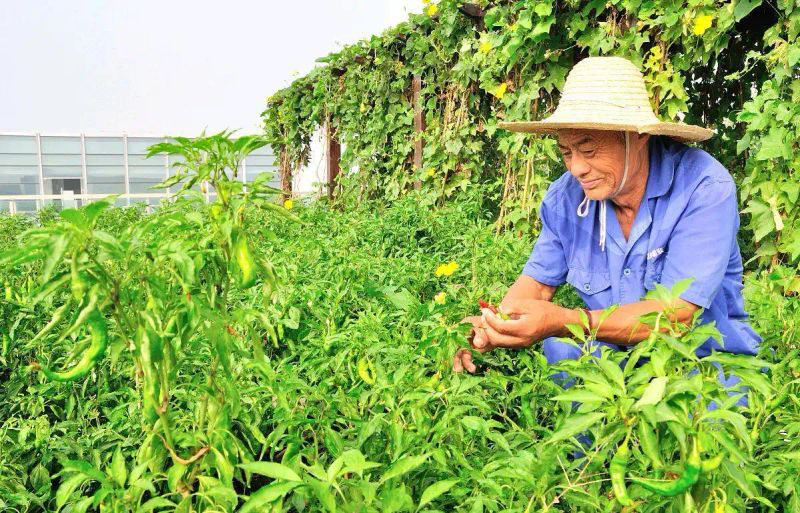
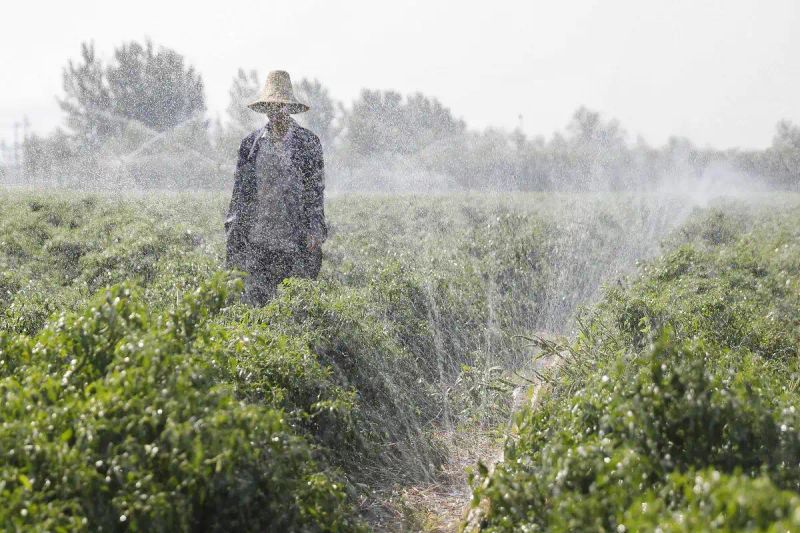
In the south, between late june and early september, the weather is so hot that big fruit-type sweet peppers are hard to grow. In the north, rain and temperatures were higher in the months of july-august, and if properly managed, the seedlings could return to growth and blossom after the rainy season. During the rainy season, nutrient loss is high in the soil, and soil moisture is too high to form thallium a dead seedling, combined with a long rainstorm, has a large evaporation of the leaves, while the roots have weak absorptive capacity, leading to water disorders, celibacy of the leaves falling behind and falling behind or causing disease. Thus, during the rainy season, drains are to be unwinded, water is to be avoided as much as possible in the field, and in the event of sudden rainfall, in order to avoid the “hot rain” causing damage to the roots and leaves, water is to be poured out immediately after the rain to reduce the temperature of the soil. In the event of daily exposure after the rain, it is repeated several times, i. E. Every morning with discharge, so that the roots of the plant are gradually adapted before water is stopped and the seedlings are prevented. In order to ensure that plants do not lose weight during the rainy season, fertilizer is re-applied at 25-30 kg per acre of ammonium sulfate in mid-july. If there is too much rain to apply fertilizer, it can be spread evenly on both sides of the plant and be careful not to spread on leaves and close to the plant to prevent the burning of leaves and roots. Fertilizers can be distributed before the rain, in a small amount, and less after the rain。
Viii. Secondary fruit management
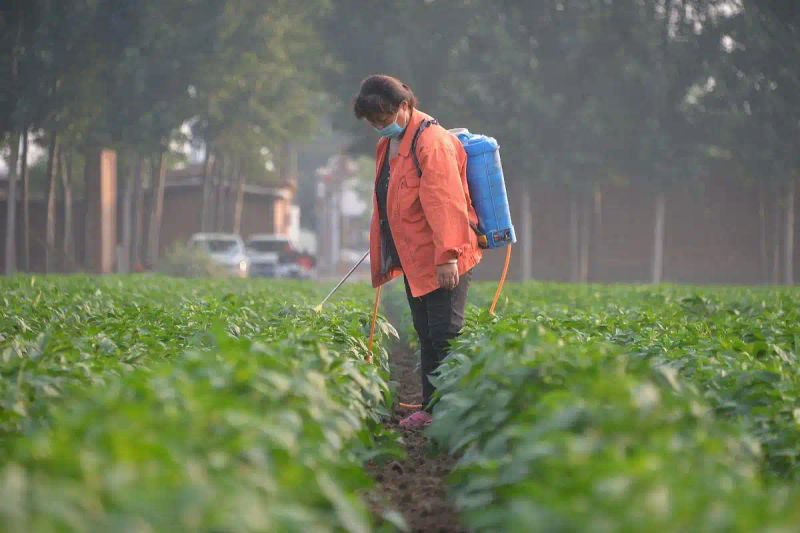
In august-september, rain fell, the sun was full, the temperature was reduced, and the peak period of the second roses for pepper. In order to catch up with the water, promote more new branches, with more results, and increase production later, it's usually 7-8 days to pour water, one fertilizer, another fertilizer。
The gardeners summed up:
These are traditional methods of pepper cultivation and are applicable in most parts of the country. It's important to grow chili and manage summertime. In the summer, sudden heavy rains were damaging to peppers, which were extremely susceptible to death if measures were not put in place as soon as possible. Flooding with wells in the morning or evening is a centuries old method, simple, practical and intelligent. I hope i can help you。