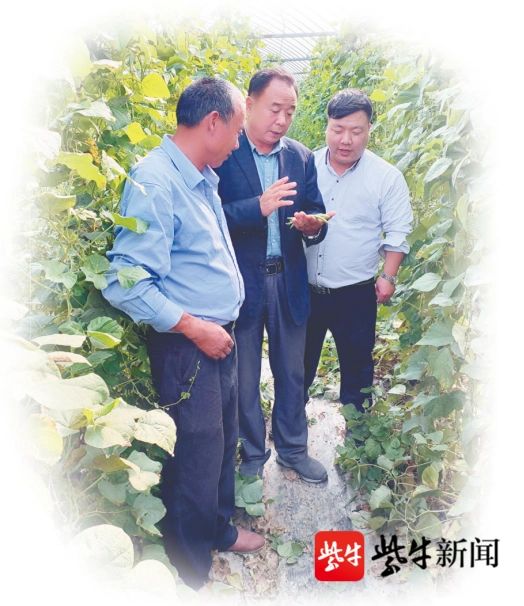
Paprika's "vitamin c small gold mine" is still in storage, growing over 20 million acres nationwide! However, in order to grow high-quality, fruit-rich, transport-resistant peppers, management and fertilization details are essential. Today you'll be able to grow a child-sittering course, and the newbies will grow high-yielding fields
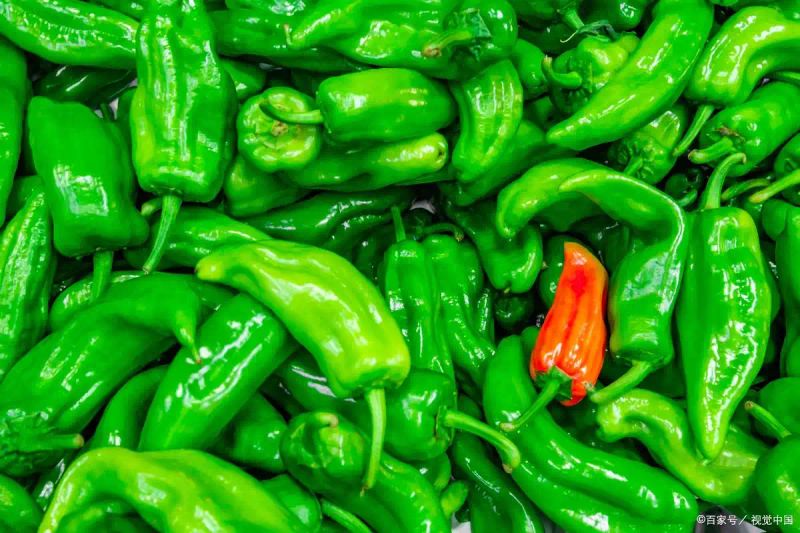
Child birth: 3
Key operational details
Vaccination selection: priority is given to 128 cave saplings, with small monolithic areas, with no entanglement of roots
Base mass processing:
(b) the matrix selects a formulation containing corrosive acid, using pre-mixing pyroacin + entropy (10g/m3)
Filled to 8 full, seeded and covered by 0. 5 cm thick matrix, water drained to bottom permeation
Seed density:
Double plant: 35-45 plates per acre, approximately 9000-11500 units (4500-5750)
80-90 cm width of the membrane selection, covering both sides of the back side of the pressure to protect the air
Infant conservation:
(b) watering: watering the base during one day and keeping it wet or dry
Fertilizers: after 2 real leaves, root agents + microbacterial agents (e. G. Voegen voldo + microbacterial agents) are used for rooting, once a week, to promote strong seedlings against sudden fall。
Soil management: land-reforming roots, “housing in the ocean”
Alteration gold formula
(a) deep ground: 30 cm before planting, picking up the weeds and breaking the bottom of the plow
Bottom fertilizer program:
Fertilized sheep dung 2,000 - 3,000 kg/acre (or merchandise organic weight 400 kg)
Composite water soluble fertilisation of 50 kg / acre (15-15 years)
Microbial microbacterial agent 200 kg/acre (live fungus 500 million/g)
Effects: adjust soil ph values to 6. 5-7. 0 to increase organic content and suppress endemic diseases such as root and dead。
Cultivation and density: reasonable spacing, less ventilation and disease
Set the key
(a) timing: the field is planted on the morning of the day and the shed is planted to avoid high temperatures
Density control:
High input high yield pattern: 60 cm x distance 18 cm (twice) and acre plantations of 11,000 for chicken management
Economic model: 60 cm x distance 30 cm (twice) and 9000 acreages suitable for open and extensive management
Depth of planting: the saplings are flat with the ground, and the root water (500 times the fatty of the corrosive acid water) is poured immediately after planting, and the seeding is slow within 5 days。
Water-water management: the fear of flooding and watering for good time
The three principles of watering
Shrimp period: small water is draught, the surface is kept dry and wet, and rooting is promoted
(b) flowering period: control of water saplings, white and watering on the surface, and prevention of flowering
(b) equation period: maintaining soil moisture 60-70 per cent and watering at high temperatures in the evenings to avoid sudden freezing of roots after midday suns
Paradoxically: successive rains drain water in a timely manner and guard against root causes; sheds are recommended for drip irrigation and water is saved and wet。
V. Fertilizer technology: a phased and precise supplementation, with many fruits and many fruits and fruits
Ki-fat: bottoms up, pipe down
Corrosed organic + composite water soluble + microbacterial agents (described above), which account for 50% of the total annual use。
Fat chaos: watch the moisture, step by step
- before flowering:
Pouring high nitrogen water solution (30-10-10) 5-8kg/acre for new growth
Leaf-spray boron + zinc fertilizers to prevent flower fraud
After flowering - bulging period:
Primary potassium water soluble fertilizer (10-5-40) 8-12kg/acre, combined with leaf fat, umbilical disease
Feast period - harvest period:
(b) reciprocal use of balanced fertilizers (20-20-20) + corrosive acid fertilizers to supplement nutrition against premature decay
5 kg/acre per harvest of high potassium water for more than 20 days。
Leaf fat: first aid + mention
Sprays during the chromosomal period without aberrant color, with a brightly balanced colour of 5-7 days
Amino acid frontal fattening + potassium phosphate during desolate period (high / low temperature) to increase resilience。
Vi. Pest management: early prevention, less drug use
Prevention of major diseases
Root rot
Anthrax
Viruses
Pest management
Aphids / aphids
Sponge bell / smoky worm
Vii. Strengthening and control: the resources and results
Cutting technique
(a) cardiac arrest: the first branch of the main branch shall be removed and two to three branches shall be retained
(a) fabrication: permafrost, timely removal of sick leaves and early deformation of deformity and rigidity
Control timing: when plant heights are above 50 cm and the leaves are thickly green and purple, the top advantage is suppressed by multi-activated + phosphate potassium leaf application。
Viii. Receiving and receiving: quicking in time and improving effective quality gain
Fresh peppers: when the fruit is sufficiently big, darker in colour but not red, the taste is soft
Dry peppers: harvest when the fruit is completely red and its skin wrinkles, cut the handles before sunbathing, and lay out the sun to protect against mold
The harvest time: morning or evening, avoiding high noon temperatures and reducing the atrophy of fruit。
Key reminders: geographic management differences
(a) southern heavy-rained areas: focus on flood control, high-altitude rise (above 30 cm) and timely drainage after rain
(b) the northern sheds: cooler light during the winter, and potassium acetate from the mineral source + high potassium water soluble during the expansion period, increasing the temperature for absorption
Highland field cultivation: high uv, transchromic calcium + seaweed fertilisation, prevention of sunburn and fibrosis。