Summer light and heat resources are abundant, rain are abundant, fruit trees are flourishing, while weather changes are intense, natural disasters such as hailstorms, storm floods and high temperatures of drought and pests are high, and pear tree production requires additional responses. In order to manage the production of pear trees in the summer, the national centre for agricultural technology extension (onatec) has developed technical guidelines for the management of the summer production of pear gardens in collaboration with the national system of pear industries。
I. Electronic management
A small, long hammer shape, etc., is a new, dense tree-planted top, with no opening angle in the spring, and can open the base angle to more than 70° depending on the tree branch configuration. If necessary, 7 to 10 days before new growth stops, abdomen sprouts can be promoted by opening a base angle. Pear trees that are flat-bed, especially in cases where the stem branch is prolonged with weak head growth or is smaller than the face of the shelf, can generate a large number of up and down in the summer and should be properly treated early. New or balconies that occur on the side of a bone branch can be removed from the base at an early stage, so as to ease the growth and growth; and on the back, the vertical steps should be removed from the base at an early stage。
Ii. Complete water management
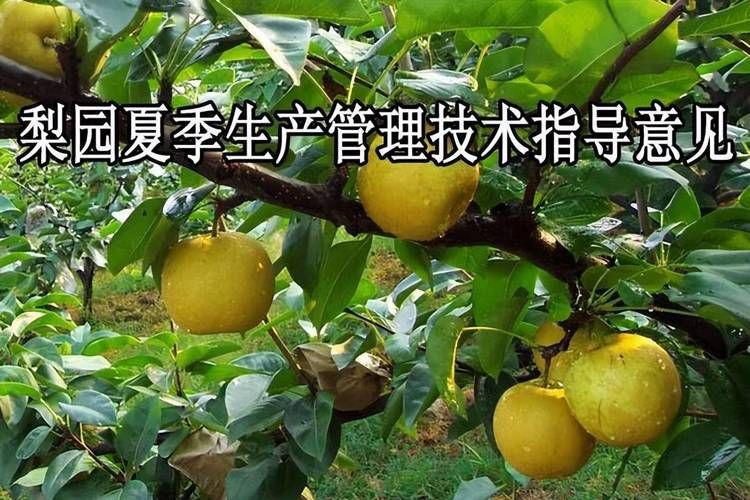
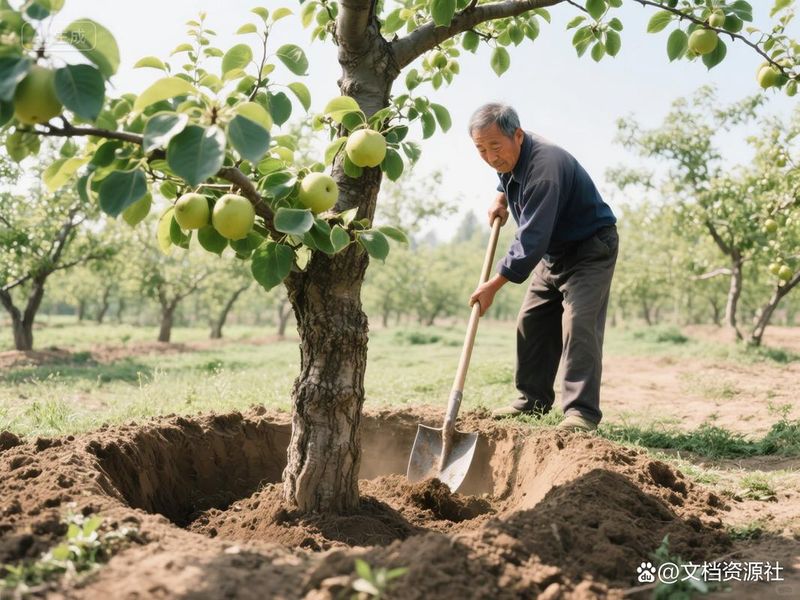
Pear gardens in the arid regions of the north should contribute to the expansion of fruit in a timely manner, depending on soil moisture conditions; many areas in the south entered the may rainy season in june, with attention to drainage and the prevention of fibrosis. Early pears in the south have gradually entered the harvest period since mid-june, with attention to pre-harvest control of fatty water, in particular by reducing the application of nitrogen fertilizer to increase the sugar content of fruit. For pears in the middle and late stages, the application of fertilizers is decided on the basis of soil fertility, the previous year's base and the previous period's fertilization, and the application of a high percentage of potassium compound fertilizers in the later stages of fruit growth is promoted. Unfinished early-age trees do not promote the pursuit of fat in the summer when base fat is sufficient and before. In the case of pear gardens, weeds are ploughed in a timely manner according to the type of weed。
Iii. Fruit management and harvesting
From mid-june to late july, the south matured early. The problem of early harvests has been prominent in recent years, resulting in low sugar content in fruit products, and measures should be taken to ensure timely harvesting. Premature and medium-premature varieties, pear expansion or near maturity are subject to high-temperature sunburning, should be sprayed with water and covered with straw, straw, etc., before high temperatures arrive, and should reduce the surface temperature of orchards. For pear varieties matured during the summer high-temperature season, in addition to bagging techniques, tree canopy water can be used to reduce the temperature of the fruit surface to promote colour。
Iv. Strengthening pest control
While our country has a wide area of pear tree cultivation and a wide variety of climatic conditions, with different types of major diseases and insects occurring in different parts of the country, the main pests common in the north and south pear-producing regions in the summer are pear-eating heartworms, aphids, pear lice, pear mosquitoes and mites, and the main diseases are black spots, anthrax, rota, black star disease and rust. In particular, in the southern pear-producing areas, there was a large area of early foliage caused by, inter alia, black spots and anthrax, with a large base of fungi, which led to the capture of the moist season and the critical periods surrounding it。
V. Meteorological disaster response
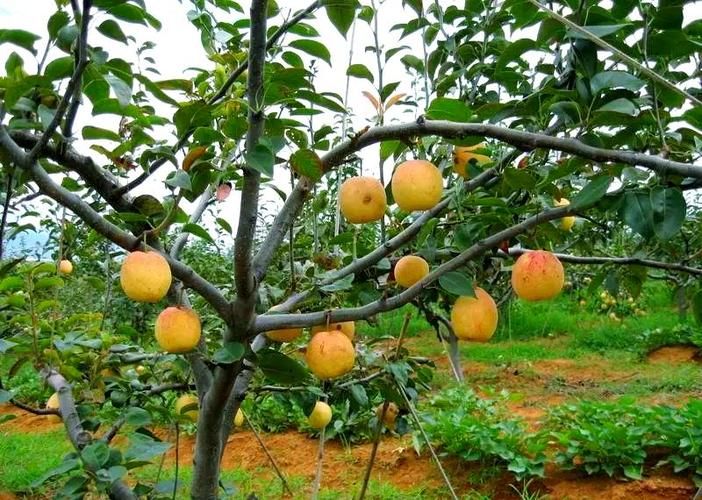
The meteorological disasters encountered during the summer of the pear garden were mainly hail, typhoons and floods, which caused mechanical damage to the tree body, including broken branches, broken leaves, falling fruit and external fruits. In addition to the preventive measures envisaged in weather forecasts, it is more important to take timely remedial measures in the aftermath of a disaster, such as the timely cleaning of pear gardens, the clean-up of wounds, the protection of eugenics, the repair of tree bodies, the protection of wounds, the spraying of bacteria, the pursuit of pine soil and the restoration of tree positions. (national industrial technology system in pear)