Rural wasteland. Growing bamboo + fish and grass at low cost, sneaking up on the road to wealth
In rural areas, a number of low-lying, pond-side and moored areas remain idle for many years, with low production and effort on their way out. Instead of investing in high-cost, complex planting techniques and choosing specific varieties, these indescribable wastelands can become “poaching basins”. Today, two cash crops — bamboo, fish and grass — that are suitable for rural diversification and cooperative scale cultivation, with small inputs, quick results and stable market demand, are well-developed projects in front of farmers' homes。
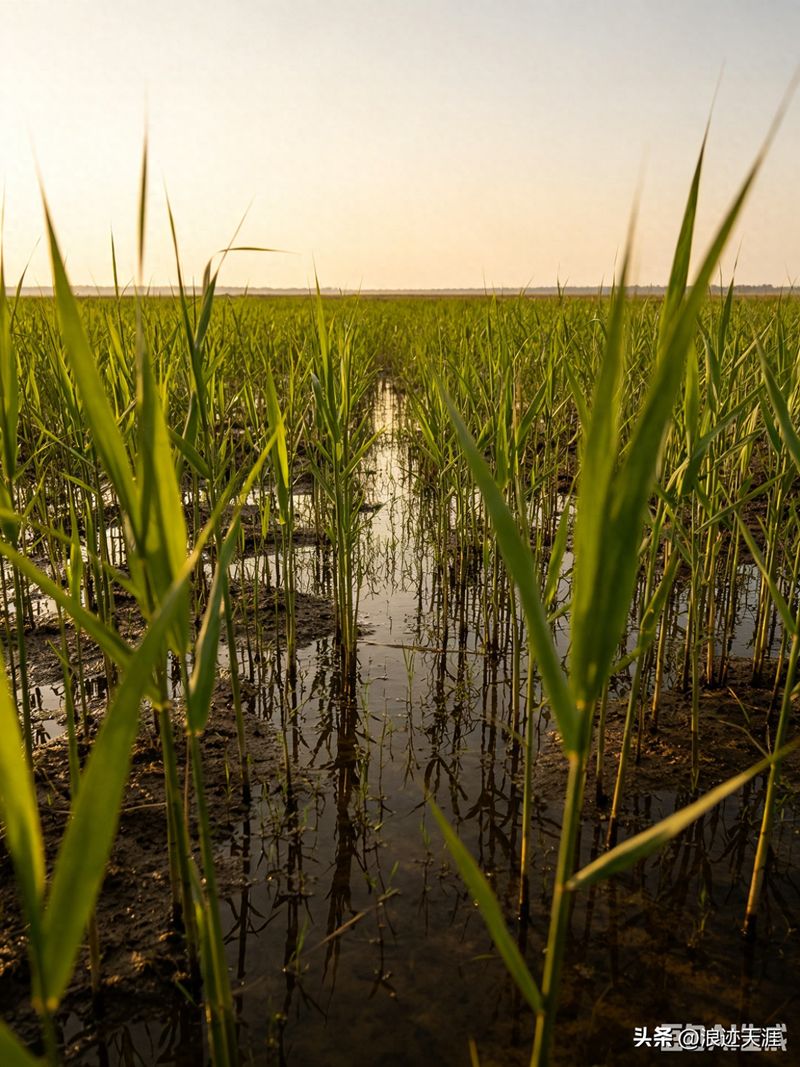
One, the two main growers, the edges are full, the farmers are on the zero threshold
Watergrass: full of treasure, eco-economic harvest
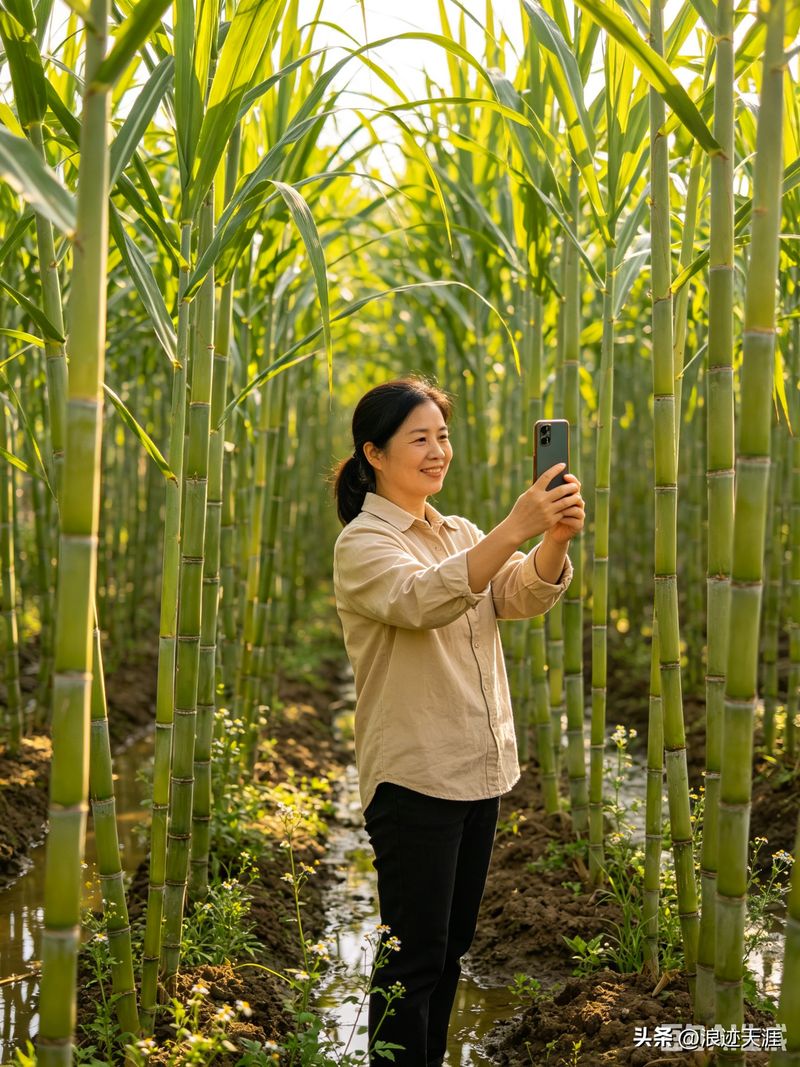
The bamboo is a multi-year grassland, highly adaptable, cold, wet and infertile plant that can be cultivated throughout the north and south of the country. It does not pick land, can take root in ponds, canals, low-lying riversides, idle fields, and does not occupy high-quality arable land, even by new hands。
There is a wide range of applications and a large market gap: first, greening as a high-quality viewing plant, gardening, wetland greening, municipal riverine landscapes are indispensable, and plant and engineering seedlings are marketed throughout the years; second, high-quality pastures, with a soft taste and nutritional abundance, are natural feed for chicken ducks and fish; and third, with ecological value, securing land, cleaning water quality, matching rural ecological governance, beautiful rural construction needs and associated ecological subsidies。
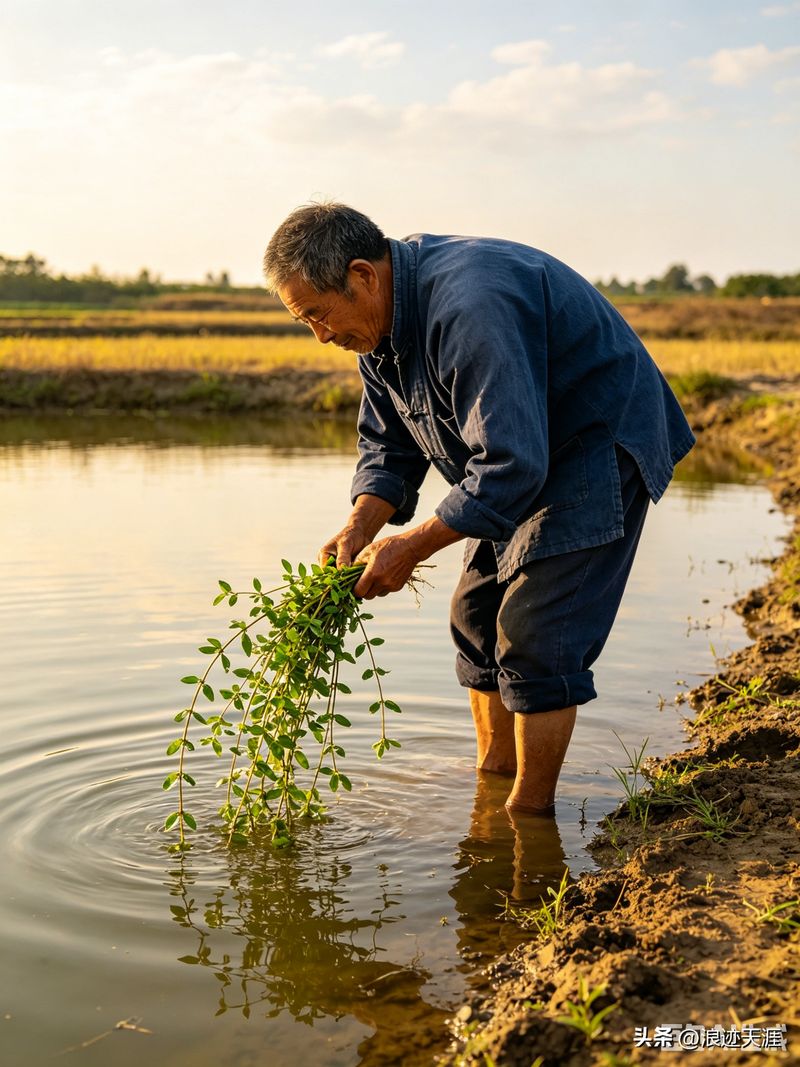
Fishweed: small demand, steady yield for planting
Market demand continues to rise, with fish herbs and dog ears, both common chinese medicine and hot table vegetables. It is resilient, resistant to drought and floods, with few pests and diseases, with virtually no pesticide spraying, and is a pure natural green crop, whether of wasteland, slopes or orchards。
As a pharmacological congenial species, fish herbs are sold in the following ways: for medicinal purposes, the pharmacists routinely buy roots, whole herbs for medicinal processing and chinese medicine production; for food, fresh leaves, roots are marketed in vegetables, restaurants, fresh platforms, which are popular to consumers; and as a green land, it can also be used as a plant for the greening of rural wasteland, the beauty of fields, the multi-use of grass and the diversification of benefits。
Ii. A clear advantage over traditional cultivation and double returns
Many farmers are still growing rice in a third of an acre, removing seeds, fertilizers and pesticides, with little net income from year to year. Plantation of watercrackers + fish and grass completely breaks down traditional cultivation:
The cost of inputs is low: both crops are multi-year plants, one-time plants are grown, many-year harvests are collected, with only seedlings required for the preceding period, no repeated plantings at a later stage, few fertilizers, minimal manual inputs, no more than a few hundred yuan per acre seeding, and the family can start easily。
Management is super simple: it is managed in a broad manner, without frequent water fertilization, without care to combat pests and diseases, without the need for elderly people and women to cope, without obscuring from work outside the home and other agricultural tasks, and with a view to achieving “easily growing and saving money”。
The proceeds are even more significant: bamboo is sold on a line and by a line, and the annual seedling and fresh grass revenues can amount to several thousand yuan per acre; fish herbs and dry products are constantly purchased, and acre produce thousands of pounds of grass, and the net proceeds per acre are far greater than traditional food crops. Both crop varieties and zoning can also maximize land use and upgrade benefits。
Three: there's no need to be upset. There's a lot of ways to make money
Many farmers are concerned that planting can be easy to sell, but the market for bamboo and fish weeds is widespread and completely unsettled:
1. Direct marketing of the local market: fresh fish and grass supply directly to the market for vegetables, supermarkets, local restaurants; plant seedlings sold to flower markets, gardeners, now available for sale and profit。
2. Online sales: sale of seedlings, fresh stringes of fish and grass, dry pharmaceutical materials, through short video, live broadcasts and electronics platforms, to meet national customers and break geographical limits。
3. Cooperative recycling of orders: long-term supply agreements, bulk deliveries and guaranteed stability of returns for the purchase of pharmacists, garden greening companies, feed processing plants。
4. Rural literacy: developing niche plantations, combining rural extraction and field tourism, attracting tourists to experience harvesting and further increasing product value added。
Iv. Rural cultivation when proper, small inputs leverage large revenues
Rural revitalization policies are now well served, with rural idle land clearing and specialty-growing projects supported, and bamboo and fish-grass plantations are consistent with ecological agricultural development trends and can effectively help farmers to increase their incomes。
The path of cultivation can be opened without the need for substantial funds and expertise, using the idle ponds, low-lying areas and wastelands of the home. Instead of leaving the land abandoned, it is better to seize this low-cost entrepreneurial opportunity, with a small piece of grass, to pave the way for rural prosperity。
It's not so hard to make money in rural areas, to choose projects, to be honest, to grow unseemly and to reap wealth! If your family has idle land, try the bamboo + fish-grass cultivation, make easy money in front of your house, and get past the fire! The science article is for reference only
# rural cultivation #