Hello, corn growers
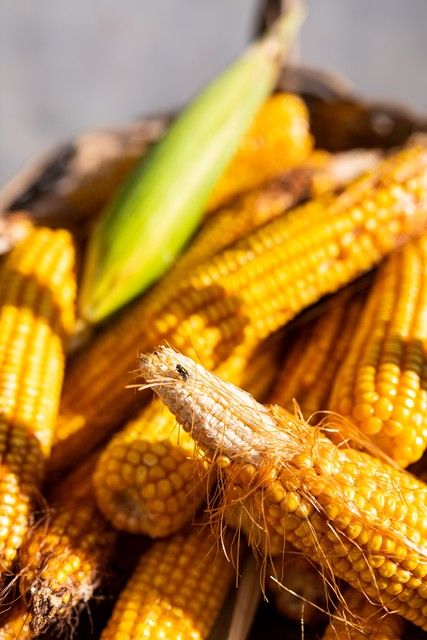
Every year, when corn is harvested, many people wonder why the same land, the same weather, the family's corn bar is so big and full, one acre is so loose and 1,500 pounds, its own corn bar is small and bald, seed grains are so thin, it's three and a quarter pounds short
In fact, most of us in the countryside grow corn with old experience, sowing it randomly, fertilizing it, slacking it in the field, and feeling that it's all in the weather. The weather does affect the harvest, but what really opens the production gap is always a fine science management! Many of the small faults that we've been missing for years are at the heart of the decline in maize production。
Today, we are sharing with you a well-established and well-manufactured programme of high-yielding maize cultivation, with no false roads, no farming and no exaggerated effects, all of which are the drying skills summarized in the fields over the years. From whole-field seeding, planting seedlings, fertilization, pest and disease control to medium- and long-term prevention and control of premature decay, every step is clear and clear, with ordinary farmers doing the same, with high annual productivity and easy delivery。
I. Select the whole seed before it's broadcast, and set the bottom line
The production of maize depends on the bottom seven and management three. Poor pre-plant preparation and subsequent fertilization of water and drug remediation can hardly produce high yields of maize。
Scientifically, no lazy people. Land
Many old-age seedings are sowing over and over again, with years of low-intensity tillage leading to soil slabs, too shallow a layer of soil, no deep roots of maize, and late-stage impervability, drought resistance and low fertility, the largest causes of low yields。
That's how it works:
After the fall harvest or 15 days before the planting, a deep tillage must be at depths of 25-30 cm to break the hard bottom of the soil. Deep tillage allows deep-water soil to be turned up and water to be pumped, and underground eggs and bacteria to the surface to freeze to tan and reduce later infestation。
Deep tillage is followed by raspberry, so that the land is levelled, the earth is broken and there are no big bumps. Focus on pit avoidance: never wet soil, soil overwet can be compacted directly, seed seeding is difficult and root growth is hampered。
2. The selection is not blind, the size of the suitable plot is high production
Many of the candidates are looking only at advertising and buying expensive seeds, regardless of their own plot conditions. The same seeds are used in the field, in the drylands, in the floods, in the fertile land, and in the end there is no chance of yield。
Selection of core criteria:
Dryland, thinland, hillside: choice of medium- and early-literate species resistant to drought, infertile and inverted
Watered, fertile and flat: selection of large rods, dense plantings, high-yielding medium and late-lated varieties。
Seed screening techniques: manual seed selection prior to seeding, removal of granules, molds, broken particles, small seed seeds, with only a saturated seed. A simple, conditional 2-3 hours of sunbath can increase seed germin's rate of growth, so that it is well grown and small and small。
Firmly not to buy obsolete, bulk-packaged seeds, which appear to be a cost-saving, post-shrunk, uneven growth and loss of production。
Ii. Precision planting of seedlings, which are the key to high productivity
There's an old saying about corn: it's strong and it's half the harvest. Each detail of seeding time, sowing depth, planting density and seedlings directly affects the final yield and is the most vulnerable link for farmers。
1. Best seeding time
Spring corn: the local temperature is stable enough to sow at more than 12°c, not too early. Early spring temperatures are low, low temperatures are low, seeds are slow to germinate and are prone to decay and weak seedlings
Summer maize: the earlier the wheat harvest, the higher the production, at the latest not more than mid-june, the late broadcast of corn illumination, the shorter the slurries and the greater the loss of production。
2. Control of sowing depth and humidity
Normal indignity: most suitable for sowing depths of 3-4 cm
(a) dry plots: planting at depths of about 5 cm, with low-level seeding prone to failure
Overwetted soil: 2-3 centimetres at a low level to avoid suffocation。
The planting must be followed by a slight crackdown, where the seeds and soil are closely connected, where the seedlings are secured and the suspension and seedlings are eliminated。
Three, rationally planted, not thin
Corn production is very low and closely related to density. The seed is too thin, there are plenty of open areas and few effective ears; it is too dense, with poor ventilation, weak slurries, easy to fall back, pests and pests, and there are empty and small sticks。
General planting density:
(a) climatic and resistant varieties: 4500 to 5,000 acres
Small rod rare species: 3800-4200 acre
Poor drylands are properly rared and fertile water is sown properly。
4. Science-based seedlings, seedlings
Many of the old people were unable to live together, leaving two or three seedlings in one nest, which appeared to be more than a seedling, and then, after all, they did not grow much。
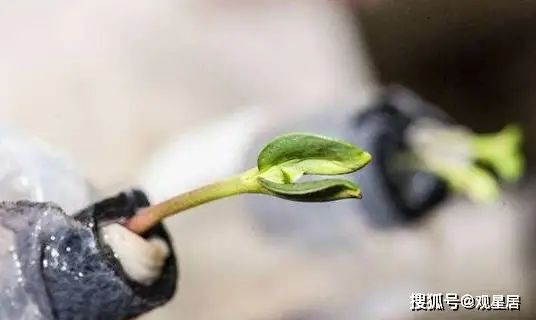
The method of actual exercise: the three-leaf period of maize begins with the seedlings, the seedlings, the seedlings, the seedlings, the seedlings, the seedlings, the seedlings, the five-leave seedlings, the nests, the places where the seedlings are scarce, the seedlings, the small seedlings, the small ones, the weak ones, will never catch them。
Iii. Scientific enjoyment and progress (core secret)
The land is not fertilized, and it is tiring; it is fertilized, and it is wasted. Most farmers either use urea alone or are in a state of mass, with long periods of pre- and post-decomposition periods, and maize is bald and seed is not full。
The growth of maize takes place over three critical periods: the sapling period, the extraction period, the slurry period, and fertilization as required, without waste or loss。
1 bottom fertilizer: long-activated and steady fattening, rooting
It is a high-yielding basis for seeding with bottom fertilizers, so don't let it go。
Formula use: acres of corn with 40-50 kg of co-fertilizers。
The focus is on the fact that fertilizer and seeds must be separated by 8-10 centimetres to avoid fertilizer burning and planting seedlings. The bottom is full, the roots of maize are well developed, the roots are thick, and the resistance to disease is directly doubled。
B. Fattening: extremity contributes to division, protection against inversion
Corn grows to 6-8 leafs and enters an altimer period, which is a critical period for the long straw of corn and for the division of the female, and the lack of weight leads to the finer and small ears。
Usage: 15-20 kg of urea applied in an acre and sprayed before or after the rain. Large and weak plots are properly multiplied, and overstretched plots are less frequent and do not fall。
3. Big horn fertilizer: determining the size of the stick, increasing production is most critical
This is the long-term core fertilization period for maize, which directly determines the size of the corn bar, the size of the seed grain, the weight of the fat, and the production directly up a step。
Corn is 10-12 leafs, large horns, 20 kg of urea + 5 kg of potassium fatty per acre. Fertilizers this time contribute to the growth of the fruit and the elimination of the hollows and the small ears, which make the corn sore。
4. Slurry fertilizers: protection against premature decay and increasing the weight of thousands of grains
After the corn poaching, many farmers simply don't care, which is the biggest error. The slurry period is characterized by a lack of fatty water, the proneness of maize to premature decay, yellow leaves, inadequate slurry, and the dryness and baldness of seeds。
Land with weak strength and yellow leaves, phosphate potassium + mossin sprayed on the side of the leaf, with no fatting on the roots, saving time and time, prolonging the function of the leaf, maturating the maize, and increasing the weight of thousands of grains, with particularly significant productivity。
Iv. Reasonable watering + control and protection against decay production
Corn is a high-water fertilized crop, drought-resistant is relative, and production is bound to be significantly reduced by a chronic shortage of water, which is critical. At the same time, the seedlings are too long to be controlled, and the wind and rain will fall。
One or three key waters, not one less
First water: water conservation
Droughts in maize altimers must be watered to meet the demand for straw and root growth and avoid short and stunted plants。
2nd water: loudspeakers (highest priority)
The greatest demand for maize during this period, commonly known as “truck-dry-dry-dry-dry-dry-dry-dry-dry-dry-dry-dry-dry-deep-dick-deep-deep-deep-deep-deep-deep-deep-deep-deep-deep-deep-deep-deep-deep-deep-deep-deep-deep-deep-deep-deep-deep-deep-deep-deep-deep-deep-deep-deep-deep-deep-deep-deep-dally-deep-deep-dally-deep-deep-deep-d-deep-deep-dally-deep-deep-deep-deep-deep-deep-dally-deep-dally-d-d-d-d-d-dally-dally-dally-d-d-d-d-d-d-d-d-d-d-。
Water iii: pulsified water
Corn ploughing periods, maintaining soil moisture, ensure the smooth delivery of nutrients to seed grains, avoid early decay and dry seed grains, and significantly increase yields。
Scientific control. Only uncontrolled production
Many of them are afraid to control the corn, which is a necessary step for high production。
Optimum time: corn 6-10 leafs, premature control of veggies, late control of veggies leading to constrictions, affecting ear development。
The demand-driven spraying of the controlled substance focuses on reducing the length of the section of the maize base, so that the straw is thick and the roots are ploughed, and the problem of the later fallout is completely resolved。
It reminds us that the land is long and weak, dry and thin, uncontrollable; it is controlled only by long and thin。
V. Integrated pest and pest management to eliminate production losses
Corn infestation is invisible, with insect bites, mid- and post-modern decompositions, estuarine infestation, poor management, reduced production and no harvest. We insist on prevention, prevention and cure。
1. Pests and pests of seed age
The main pests are tigers, dungs, golden needle worms, which cut off maize seedlings, resulting in loss of seedlings。
Methods of prevention: pre-plant mixing prevention, detection of pests during seeding, timely ground spraying, distribution of baits, early treatment。
Shrimp diseases are mainly rooted in decomposition, caused mostly by soil accumulation, low temperature and high humidity, and can be effectively prevented by the timely discharge of water after rain and the avoidance of prolonged damp soil。
2. Insects and pests
High-premature pests: corn distress, borer, aphid, red spider
High-prevalence diseases: big, small, rusty, tattooed
Core prevention techniques: the loudspeaker period is the golden period of pest control, the uniform application of fungicides + leaf fertilizers, and the treatment of insects, nutrients, and plant。
Do not wait for a massive outbreak of disease and pests to be drugged, which has already caused a reduction in production and will not recover the damage. The focus in the latter stages of maize is on combating corn problems in the ear, avoiding insects eating seed grains and causing decay。
Vi. Post-stage field management + timely harvests, locking up annual production
Many farmers are well managed, and the harvest is too early. Corn is harvested before it is fully mature, and a hundred or 200 pounds of production is lost in vain。
1. Late field management
Maize pollination, avoiding flooding in the fields, avoiding field work to shake the plant, and preventing effects on pollination, resulting in a loss of bald and sharp particles。
Ten days before maturity, water fertilization was stopped, the field was radiant, nutrient deposition was promoted and seed grains were filled. Field weeds are cleaned up in a timely manner, weeds compete for nutrients, shade the light and are susceptible to insect-borne disease。
2. Best harvest time
The optimal harvest period is when corn is completely grafted out, leaves dry and white and seed particles hard and bright。
Three to five days before harvest, thousands of grains fall directly, and an acre is cut by 100 to 200 pounds, so don't be anxious to harvest early. Proper late harvest is the least costly and most effective way to increase production
Summary
The high production of maize has never been mysterious, nor does it require high-cost farming, all of which is scientifically managed step by step。
The selection of seeds and deep tillage ensures that the seedlings are strong; the application of fertilizing and watering on demand, without loss of weight; the early prevention of disease, scientific control, and the elimination of fall-downs; and the collection of timely and late harvests, which locks up all production。
This whole corn-growing management package, suitable for most of the country's maize-growing areas, whether spring corn or summer corn, can be used to avoid low-yielding, year-to-year high-yielding production, making a lot of money
Statement of non-compliance
Plantation techniques and management methods are shared in this paper as routine in the field of agrotechnologies and are available only to growers. Climatic, soil, water fattening and variety conditions vary from region to region, so please do not carry rigid condoms. The results of planting are influenced by weather, geographical environment, and the level of field exercise, and there is no commitment to an absolute increase in production, and no farming or marketing practices。