


Rural weeds, "beauty weeds": fabulous names, much less simple values
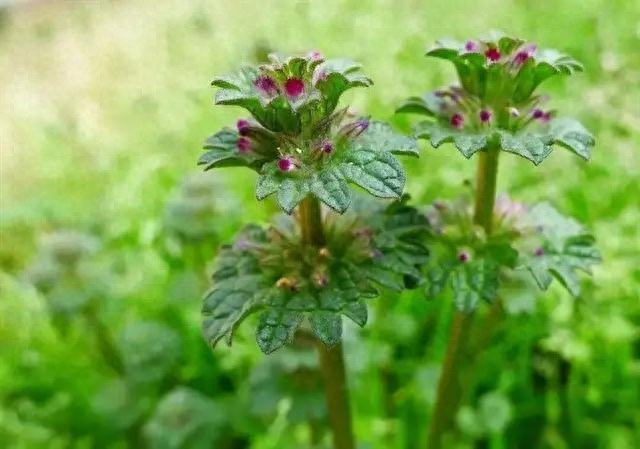
In rural fields, on the side of the road or in front of the house, you may have seen a plant where the leaves are folded, with purple little flowers and the straws are rare squares. It looks flat, but it's a popular drug-eating dual-use plant with a very aerobic name — the poacher。
I. Name origin: a leaf, like a fragrance, has characteristics
It's a one-to-a-two-year herb plant. Its name is derived from the unique shape of the leaves: the leaf in pairs, in a semi-circle or kidney form, and the layer of layering that grows upwards, just as the ancient emperors, when they traveled, followed by the “whisper” (an umbrella)。
It has a clear quadrant, which is not common in plants. The purple bouquets are arranged around the leaves, shaped like little horns, and are described as “the ears of rabbits” or “the tail of mermaids”. The flowering period usually lasts from march to may, and it grows in small pieces and is very rewarding。
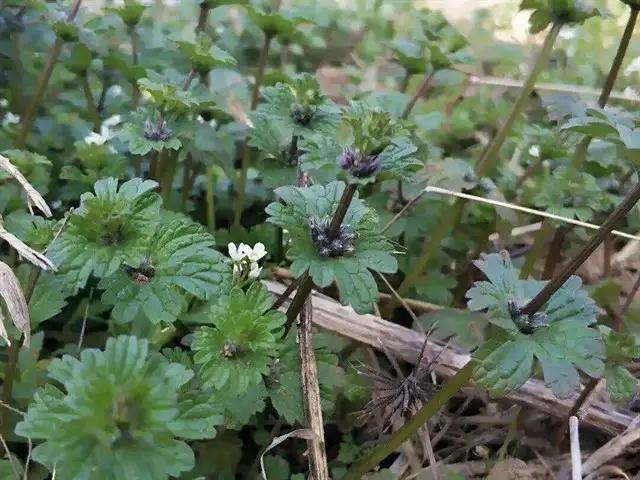
In different regions, it also has a number of aliases: jiangxi called it pearl lotus, yunnan called it "liantai sandgrass" "bonygrass", and guizhou called it "beaugrass". Most of these names relate to their appearance or use。
Ii. Strong reproductive capacity, formerly agricultural “grass”
It has a strong breeding capacity, thanks to its unique method of pollination: it can pollute itself and pollute itself。
Self-flooding ensures that it can successfully harvest seeds in a stable environment, while algae pollination promotes gene exchange and makes future generations more resilient. The combination of the two approaches makes its seeds very productive and fertilized, and it is easy to grow on agricultural and vegetable fields. In the past, it was a typical “weed” in the eyes of farmers, often uprooted。
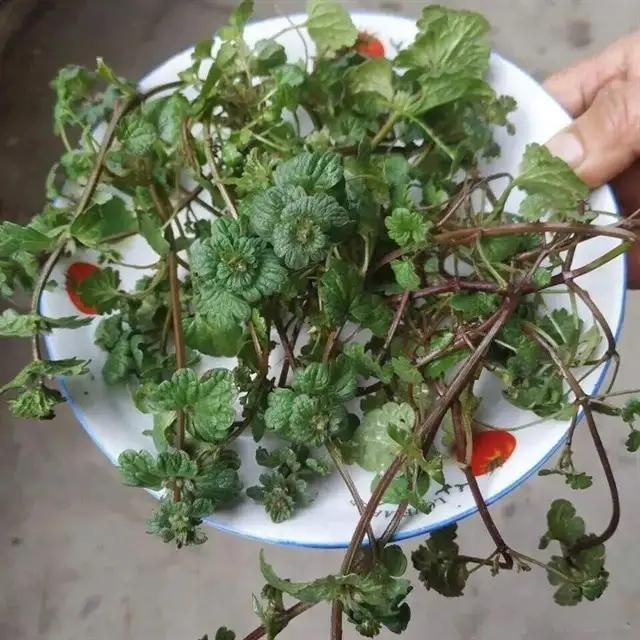
But this headache weed is of great practical value。
The value of medicines: civilian “boneweeds”, deswollen and wet
The alias "bonygrass" already implies its medicinal properties. The whole herb is available, as documented in ancient and modern pharmacies, such as the finnammoto herbs, the national chinese herbal collection。
The main benefits include:
Visible haemorrhage: used for bruising, dyslexia, external dressing or internal clothing。
Ventilation: there are some auxiliary adjustments to limbs, body parts, facial paralysis, etc。
Pre-heat humidity: it can be used for hysteria, oedema, defecation, etc。
Detoxification: external use to cure yellow scabies, swollen, lymphorates (lymphatic nodules), etc。
It is common for civilians to have fresh grass to break their coats or to have it dried up and used in frying water. It should be noted that the use of drugs is subject to professional guidance and cannot be abused on its own。
Iv. Value of food: spring veggies, diverse practices
In addition to medicine, grass is a good veggie, especially in the spring, with a better taste in the mouth。
Common eating methods:
Water treatment: cleaning after picking fresh leaves, burning for 1-2 minutes with open water, removing bitterness and herbic acid and extracting water。
Scrambling: scrambling straight after cutting。
Fried eggs/dry beans: fried with eggs or beans, with a taste。
Creaming: creasing after stinging water, saline, vinegar, perfume, etc., and eating。
Vegetables on the base: on the bottom of the plate when steaming meat and steaming fish, they absorb oil and add fresh incense。
As wild vegetables, it is rich in food fibres and many trace elements, but it is not appropriate to over-eating them, and those who are poor are careful to eat。
Other practical values: feed, green fertilizer and ecological significance
Quality feed: the soft, nutritionally good leaves of the pebbles, which were used in the past to feed pigs and cattle, are one of the common feeds in rural areas。
Natural green fertilizers: when fertilizer is not widely available, farmers often push grasses, such as grazes, into their fields or directly, decomposed into organic fertilizers, improving soil structure and saving money for environmental protection。
Eco-values: as native plants, weeds maintain soil and water, provide habitat for small insects and attract pollinators such as bees when flowering。
Current status: from “weed” to re-awareness
With the widespread use of fertilizers and herbicides, the herb has become less common in agricultural fields. However, it has not disappeared, but has received renewed attention in the fields of ecological agriculture and protection of native plants。
Some eco-farms have started to retain or plant grazes as green fat or field plants; chinese medical enthusiasts will also pick and make tea in the spring; and they are even planted in balconies to observe their unique form of flowers。
Concluding remarks
The story of the herb is much like a microcosm of many rural wild plants: once neglected because of “too common” and even eliminated as a problem, it has multiple values such as medicine, food, ecology, etc。
It reminds us that many of the invisible in nature often have a non-simple connotation. The next time you see a leaf like this on the side of a field with a purple little flower on it, you might stop and recognize it and think of its name, the vegetable grass。
(the content of this paper is for information purposes only, and professional guidance is required for pharmaceutical and food use



