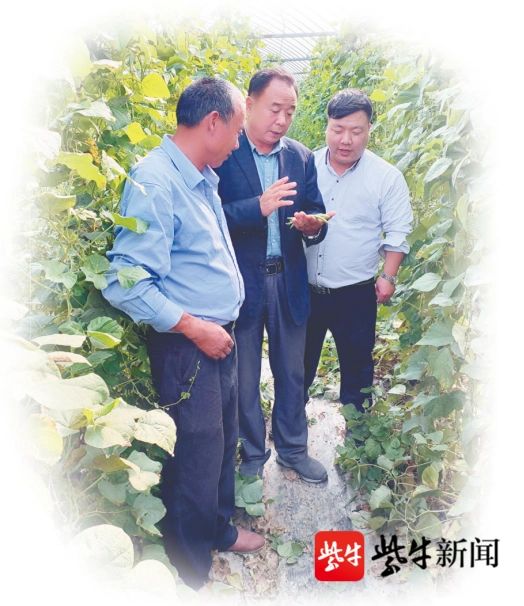
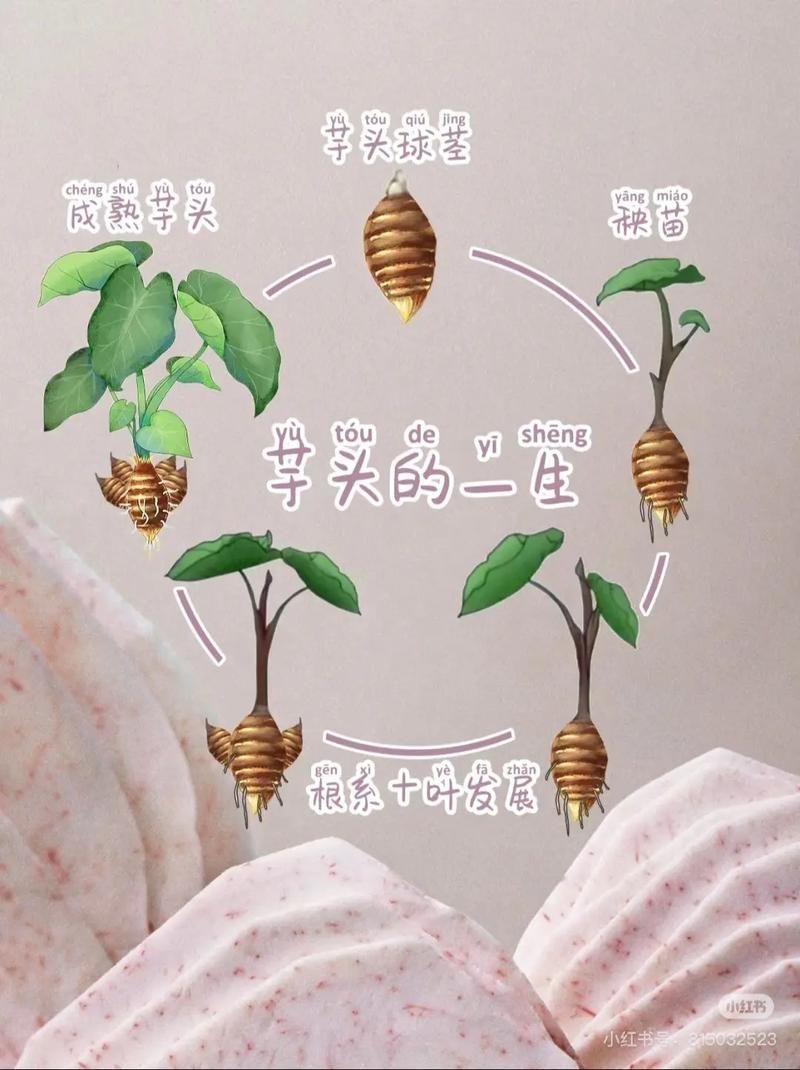
Potato is a long-lived tuber, which can be used to evaporate, boil broth, and so forth. The nutrients in the body protect the teeth, promote digestion, etc. And since taro is a relatively high-value crop, many people want to plant it without knowing how to grow it, today's fiction brings to you the way to grow it。
1. Land selection
Potato is a warm crop that is less drought-resistant, and around 26 degrees is the most suitable temperature for the long-term life of taro, and growth and development is hampered by temperatures below 12 or above 26. Although taro is a water-rich crop, it is not appropriate to work too hard, much less to go through drought and cannot be connected. Otherwise, the growth and development of the taro will be severe, and the taro will be suitable for planting on land with better wetting and drainage systems. Before seeding, the land is to be farmed and the base fertilized, with each acre being combined with three-dollar compound fertilizer. Ash fertilizers are not sufficiently decomposition to be used。
Ii. Found tests
Potatoes are generally suitable for sowing in the spring and can be extended until the festival if the temperature in the area is low. If it is decided to be covered by membrane after seeding, seeding can begin before or after spring, with an acre use of about 200 kg. There are no cracks and no pests to sow. The seeding is done in the field, with a walking distance of about 0. 5 m between ditches, with an interval of about 0. 25 m between each of them, which is then covered. When seedlings are produced, large huts are built and every four or five of them are tied to the top to prevent the wind from blowing。
3. Strengthening management
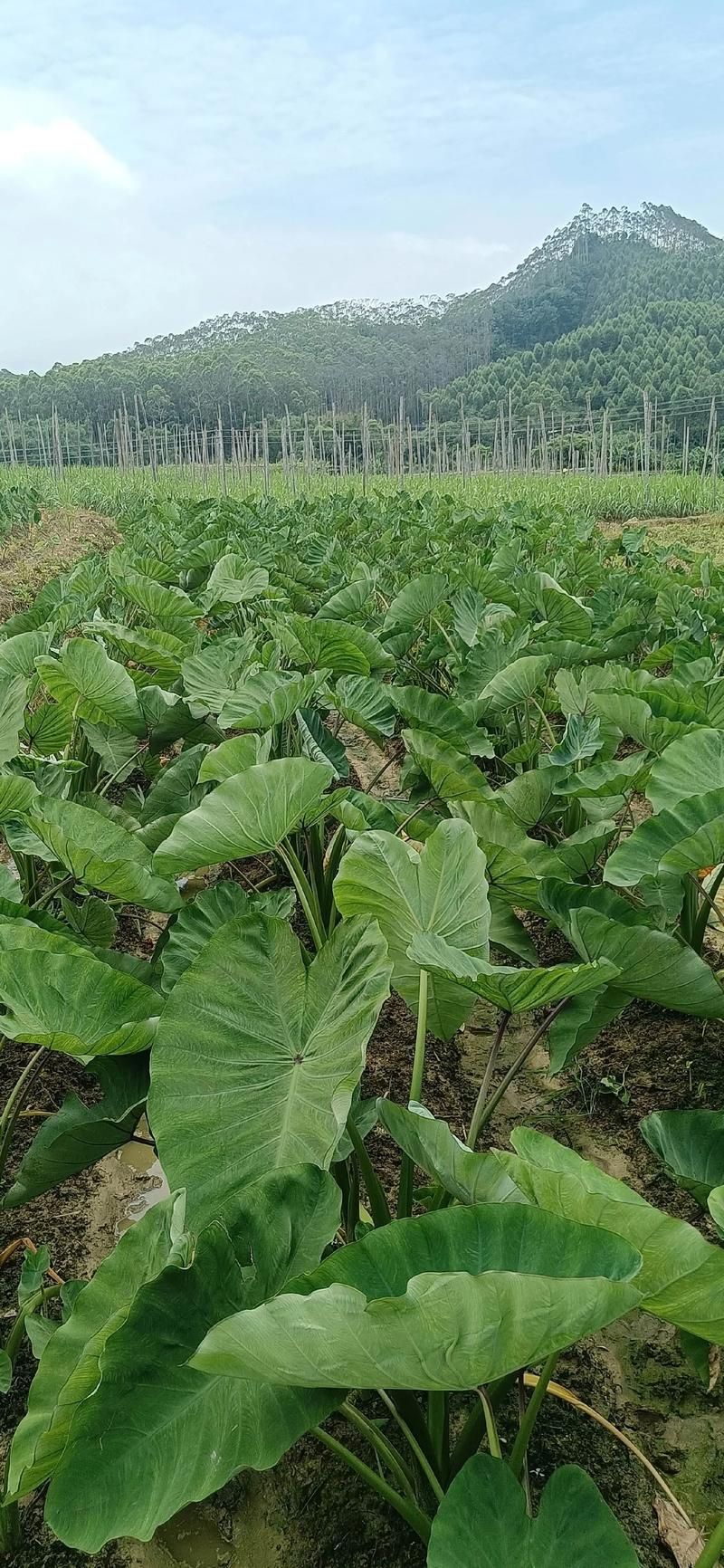
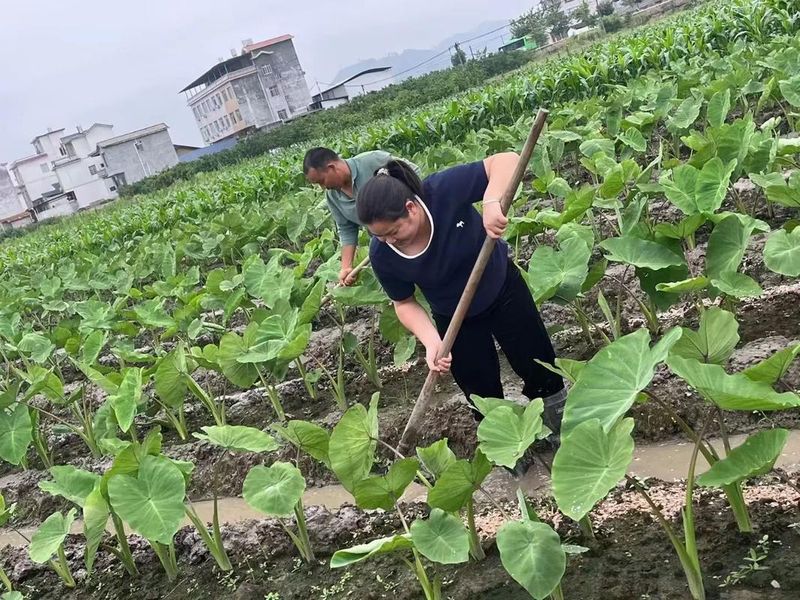
Farmer fertilizers are applied twice after seeding, and in the summer the fertilization of taro growth trends are seen to be appropriate, which can boost the growth of taro roots. Appropriate pine soil for weeding, the removal of chickens and the heart leaf, ensuring permeability between taro and improving quality and productivity. Attention also needs to be paid to diseases and insects, such as aphids and vermin, that are readily present in everyday life. It is important to ensure the moisture needed to grow when the tubers expand and the leaves grow in the medium to long term, and to discharge in a timely manner in the event of heavy rains to prevent flooding。
4. Digging for storage
Potato is generally harvested during the autumn and winter periods, and when the taro matures, it can be removed directly, with large, well-developed taro stored, and stunted seeds that can be planted next. If the harvest is not ready for sale, the taro can be placed in the cellar for storage in winter. The deposits cover the taro, not more than one metre, and are made to breathe and keep water, so long as they are not dry。
This is a brief description of taro cultivation. Attention is drawn to the high demand for water in order to ensure it during its growth. Lack of water can cause poor growth of taro, affecting production and quality. It also directly affects everyone's economic interests. If you want to learn more about agriculture, please stay focused on the novel