1. 1 ginger is the most suitable for growth in high-lying, non-polluting, well-drained, deep-dwelled, estranged, fertile, organically rich and moderately acidic soils. The plants such as ginger and peanuts were not grown three years before the soil was required, with soil ph 6-7. 1. 2 the choice of suitable sub-options shall be based on high-yielding, high-quality, insect-resistant, highly resistant, good-commodity, genre-specific, strong on-the-ground, large branches, full of maturity, light and bright skin, fresh meat, non-dry, non-decompression, unfrozen, rigid, and appropriate-sized health nuggets, which shall be strictly prohibited from seeding from the region. 1. 3 in mid-february (mid-mid-agriculture calendar), whole-story ginger cultivation began in mid-february, with a deep run-down of 60 kg of lime per acre, 3,000 kg of decomposition organic fertilizer, 100 kg of grass-wood ash, 30 kg of perphosphate, or 60 kg of applied tbs organic compound fertilizer, which is comingled with soil. 1. 4 houses of simple bamboo or steel piping plastic sheds, 2. 5 m high and 8-10 m wide, with the choice of photometric and better-quality membranes to be used to make the film. 1. 5 water pipes shall be laid inside the shed and open at 1. 2 m wide, leaving 30 - 40 cm aisle between the compartments. The surface surface is 20 cm deep and forms a sap, with a 20 m diameter hard plastic pipe (better with a zinc plating pipe but more expensive) in parallel with a 20 to 30 cm slant, with a "return" font or "back" disc in the sluice, covering 2 cm of soil. The rest of the earth can be coded on the aisle and later used for the planting of ginger and paste. The greater the density of the pipe laid inside the tank, the more even the heating. The entrances and exits of the compartments are connected to those of the neighbours. A large shed can have one or two pairs of accesses to and from the water vents on the edge of the shed, the outlet in the centre of the shed, and hot water flows from the outside to the interior, so that the interior of the sheds is evenly balanced. It would be preferable for some of the above-ground pipes to have a zinc plating pipe, to be connected to the shed groundwater pipe, the pumps, the hot boiler, and to have the outside pipes wrapped in asbestos or other warm materials to prevent the heat from spreading. 1. 6 up and running at a distance of 60 cm, 30 cm tall, 30 cm wide, and spare soil in the work ditch. 1. 7 insecticide is protected against underground pests (small ground tigers) and can be manually captured or lured by bait. The agent selects the venomous soil of thiophos-methyl, fast-killing tungsten, etc., to be sprayed into the lavender and flatted with a crotch. 1. 8 the ginger seed is removed from the cellar 20 to 30 days before the seed is sowed, and tans on the flat ground or on the pastures of the back wind to the sun for 1 to 2 days, but not in the sun, so that when the sun is covered and the sun turns dry, it is ready to take back the embroidery. Freezing while drying up. It's on february 15-20. The wind-dry rice shell is wet with 1 per cent lime water (70 per cent), laid 10 cm thick as a mattress in the shed, placed on the mat while the ginger seed is still hot, a ginger layer is stacked 100 cm tall and covered with 5 cm thick and clean straw at the top, raspberry temperature is maintained at 20 °c, temperature is controlled at about 75 per cent humidity is controlled and seeding can occur at 10 mm or so。
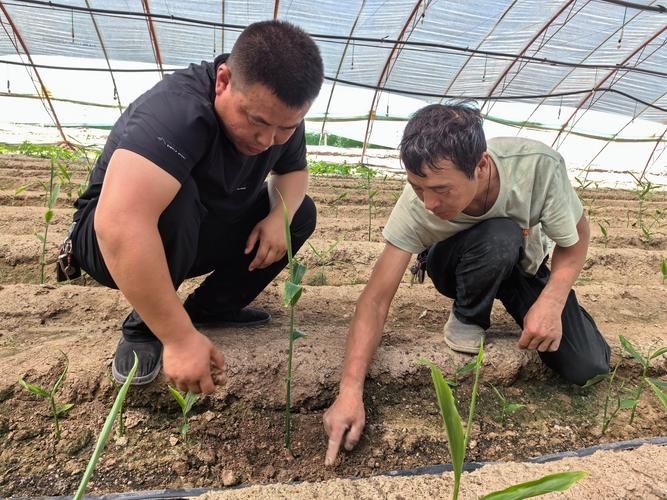
2. 1 ginger-breeding is primarily required for early marketing purposes. It is important to cut open the acreage, with a normal medium-grenade of 13 - 15 pieces per hand (generally 50 - 70 g) and 15 - 20 cm per lacuna, with only one coarse sprouts (a small number of gingers can also retain 2 sprouts) and the rest of the sprouts being wiped out with their hands in order to concentrate the nutrient supply to the main sprouts and ensure that the sprouts are fully smouldered. 2. 2 absorption is used to prevent the outbreak of the ginger graft, with a 1% bordeaux leaching of 20 min before seeding, or a 1% lime water leaching of 30 min, and drying to be broadcast. 2. 3. Plant grass-grained ash in the wound of the ginger seed, with ginger sprouts down and down. It shall be flattened in the seeding ditch, so that the ginger sprouts may be rounded down and laid down in a straight line, so as to ensure that they are strong. Then a layer of 4 - 6 cm thick earth over the ginger seed, which covers farm fats, and acres of which 4,000 - 5000 kg mixed with compound fats of 15 kg, 3 kg zinc fat and 2 kg boar。
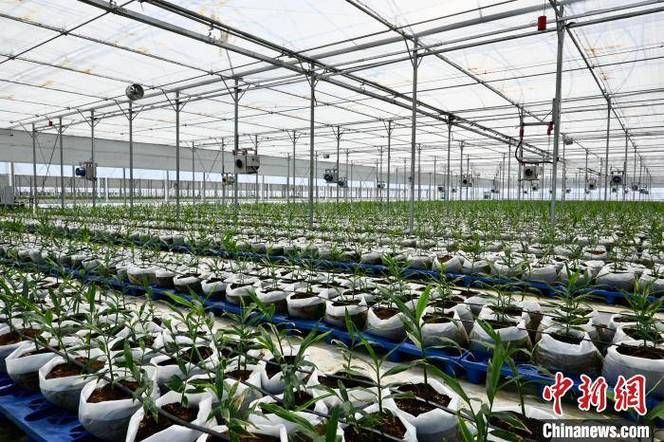
3. 1 controlling the temperature of the sheds in which ginger is grown in late february and early march, during the planting period the outdoor temperature was lower and the post-plant shacks were not ventilated. When a seedling is released, the weather is clear, and the temperature is high enough to allow for a modest release (at noon). 3. 2 two or three days after weeding is controlled, sprayed or poison soil treated for weeding with alachlor or lefortium, etc. Care is taken to keep the ginger field soil wet during the application in accordance with the ratio concentration required for application. If weeds are found on the sapling, they shall be removed manually. 3. 3 the long-term demand for fertilizing ginger is high, and the application of base weight is accompanied by the application of about 80 per cent of the whole reproductive period. Fertilizers are generally followed by a phased application of fertilizers such as nitrogen, phosphorus and potassium. At 13 - 16 cm, acres of ammonium sulphate, ammonium diammonium, or 45% of compound fat 10 kg of clean water are followed by the application. In the case of weak and small seedlings, it is desirable to catch up with fat during the period, in a small number of ways, until they are grown up to reach the same level of strength throughout the field. In mid-july, a period of turnover of ginger-breeding in the sheds was marked by a rapid increase in the amount of fertilizer used, which was followed by the second recovery in combination with weeding and earth-breeding, which allowed for the application of adult, long-lasting manure and quick-effect fertilizer to mature farmers, and the use of moist or corroded pig dung from 3,000 ~ 400 kg to 25 kg for corroded corsets, and ammonium sulfate or compound fat from 15 ~ 20 kg (more effective after two or three days for complex manure). It is precisely when ginger grows to six to eight branches (about mid-august) that the roots are strong, long-lived, fertilized and critical to cultivation management that acres are applied to compound fertilizers or ammonium sulphate 20 - 25 kg, potassium sulphate 10 kg to promote the rapid expansion of the ginger clots, while preventing the early fall of the leaves due to lack of fat. Nitrogen fertilizer may be increased appropriately in the application of fertilizers, primarily for ginger and, in the case of ginger, for phosphorus. When the soil lacks zinc boron, it should also be replaced with fattening to slow the aging of leaves. 3. 4 water management is ginger-sweet rather than drought-resistant. The seedlings are pre-prematured mainly with small water, keeping the ground wet and usually dry, and post-premature watering with appropriate weather conditions to keep the ground dry and wet. Between late july and august was the best time for ginger growth, and moisture was particularly important for its physiological growth. In the event of drought, the frequency of water should be increased, but it should not be drenched, and the interval between 7 and 10 days should be appropriate; the rainy season should be less irrigated (plum rain), which should be in the morning and evening and not at noon. Water should be eliminated in time for heavy rains. 3. 5 the seedlings of chinese tillage and, in due course, ginger-breeding are growing during the hot and wet season, so that weeding is done in a timely manner in order to prevent the premature decay of the plant. Young children are well-fed in long-term conditions and weeds are strong. If weeds are not removed in a timely manner, weeds compete with ginger seedlings for fattening, water, light, etc. The dark and wet environmental conditions are favourable to the growth of ginger's roots, which tend to be three or four times when weeding and fatting are combined to prevent the expansion of the roots and the appearance of the ground. The first shall take place when there are three seedlings, and the soil shall not be too thick to affect the growth of the latter. Fifteen days later, the second, third and fourth periods of earth-breeding were carried out in such a way that the roots could not be exposed to the ground, that the earth on the back of the ditch was grown on the basis of a plant, and that it was turned into a giraffe, creating suitable conditions for its growth. 3. 6 in the middle to mid-term cultivation of the land, the ginger can be extracted and sold for long periods of time in the ginger's band in order to improve economic efficiency. The method is to remove the soil along the lines of seeding, display the ginger, hold it in its left hand, and lightly raise it in its right hand and separate it from the plant. Be careful not to shake the ginger seed, and when you grow the ginger, seal it in time. It is not appropriate for a weak ginger seed to grow ginger in order to avoid premature plant failure. 3. 7 decontamination film and sun shades can be removed to the ceiling seven days after seeding. To protect against strong summer sunlight, a 70 per cent sunscreen net was chosen to cover the roof。
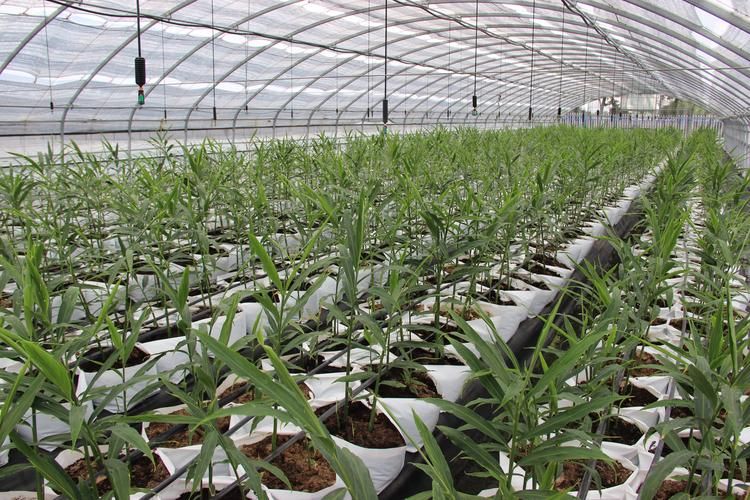
There are few types of ginger disease and pests, but the damage is severe, if not timely. Ginger disease is mainly caused by tubular and leaf diseases. The disease of the penis is mainly gingerpest and ginger rot. When a strain is found in the field, the soil other than the strain and its surroundings should be dug in time and buried deep outside the shed. Chontamine should be primarily preventive, supported by chemical control, with the timely drainage of deep trenches after rain to prevent the spread of the disease with water. At the same time, lime has been sterilized in the pits, and the drug has been used to prevent the use of bacterial purified, ginger pine, nexone, and 1 per cent of bleached powder, among them, which is better protected and then sealed with sterile soil. Leaf diseases include ginger anthrax, foliage, etc. When sick leaves were found in the field, they were removed from the plastic bag in time for the field to be burned or buried. Leaf control is also carried out using 70 per cent of the soluble powder of methyl sulphate 1000 times or 75 per cent of the soluble powder 600-700 times. Drugs were discontinued 20 days before the harvest. The main pests are ginger worms, aphids, small tigers. Chon can be combated with antipsine, trichlorfon, quick-killing ding, etc., small tigers can be treated with bait, agent spraying, poison rooting, drug selection with thionphos-methyl, dichlorvos, vermin etc., and at night with the opening of a pest-killing lamp to trap the insect. 5. Routine harvests cannot be separated from market prices and, based on several years of experience, sales are generally active from mid-august to early september. According to the production of ginger, harvest is timely. The ginger harvest is good after the frost. Editor: liang ting ting, audit expert: researcher, seed general station, shanxi province