1. Land selection: land parcels with a higher size and sufficient water supply are selected for organically rich soils, with deep tillage and disinfection and 5,000 pounds of farm fat for each acre. 2. Cultivation of seedlings: in october - november, seeds selected prior to sowing will be sterilized with new membranes and seeded at 6 cm and 5 cm or so, and then covered with straw. 3. Field management: regular weeding, timely fertilization and watering, a year later a seedling transplant, be careful not to damage the root, plant water immediately after planting, and cover the summer. 4 pest and pest management: attention to the prevention and control of diseases and pests such as dead and aphids。
I. Election of the land
Land parcels with high terrain and abundant water sources are selected in the best interests of organically rich decomposed soils or sandy soils. The whole land is to be cultivated deep and the soil is to be sterilized prior to planting, with about 5,000 pounds of manure per acre used as base fertilizer by farmers, so that the ditch is well prepared。
Ii. Employment
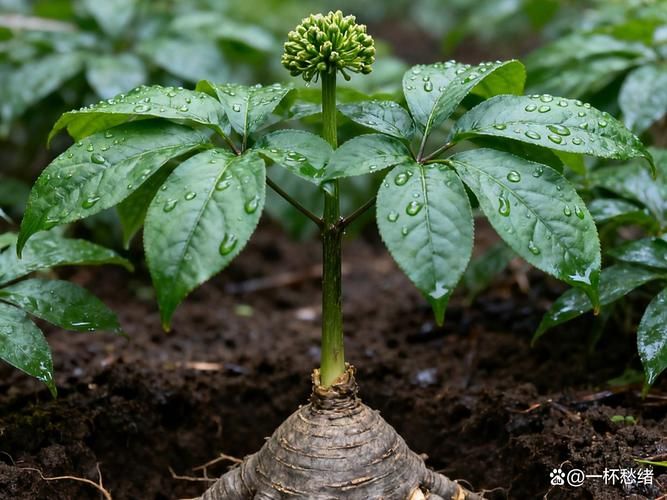
Every october to november, seeds are sowed, pre-planted, sifted with seeds from the field, which use new lipid membranes to sterilize seeds, which can increase seed sprouts and isolate viruses without affecting seed sprouts. The seeding is usually done at a distance of 6 cm and 5 cm or so, and must eventually be covered with straw。
Iii. Field management
1. Chinese tillage: regular weeding, usually by artificial weeding。
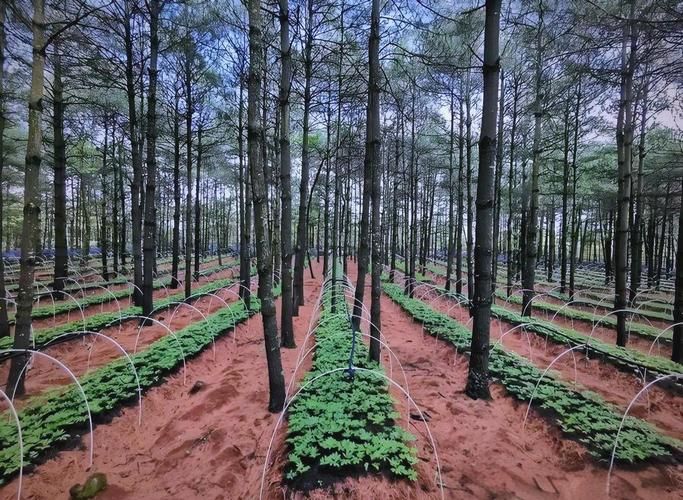
2 fertilizers: frequent watering at high temperatures, usually every three to five days, and frequent discharges. In addition, during their growing up, they are required to catch fat in time。
3. Embroidery transplants: it usually takes a year to transplant the seedlings, be careful to extract the seedlings, do not harm the roots, and when selecting the seedlings, remove the seedlings, the sick ones, and grow them at a distance of 20 cm between lines and 15 cm between stands。
4 post-plant management: immediately after planting, water is poured to improve the 70% life rate in the field, and sunshields are built in the summer when the sun rises so as not to affect the growth of the field。
Iv. Pest management
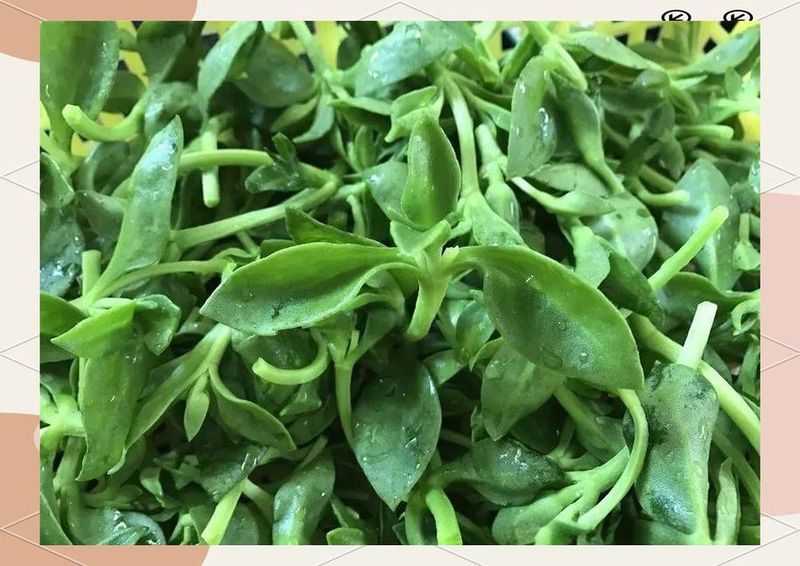
The most common pests in the field are adhesive, anthrax, rotting roots and aphids, aphids and vermin, which are usually treated with bordeaux or molybdenum, polybacterium and aphids, for a series of fungal infections caused by excessive water in the field and higher temperatures。