I grew up in rural areas from an early age, and although i have not grown a field for a few years, i am familiar with rural affairs. The people of the south have a natural love for the field, and the land where it exists is generally known as beautiful and rich, which is so important to the rural areas of the south。
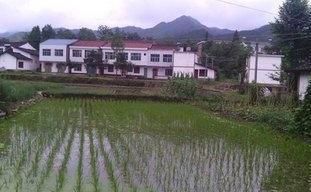
I. Distinction between water fields and drylands
One, mizuda. In the south, water fields are mainly water-secured fields, generally guaranteed by water storage facilities such as reservoirs, canals and rain pools, while in the north, water fields are mainly close to rivers and lakes, with groundwater-secured irrigated lands。
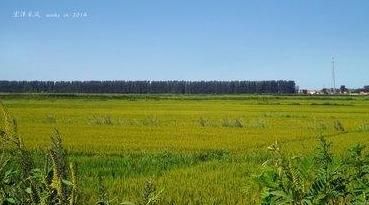
Second, drylands. In the south, drylands are mainly mountainous and hilly slopes with no guaranteed water; in the north, they are mainly far from rivers and lakes and do not have access to water。
Third, the difference between the two. It is the availability of water and the availability of crops that require water for irrigation。
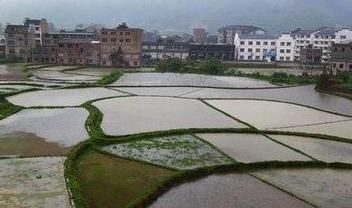
Ii. Required crops in waterfields and drylands
First, crops suitable for water fields. Rice is generally grown in southern water fields. The low-altitude areas of guangdong, jiang zhe and hainan can grow double-season rice, both early and late. After early and late rice harvests, dry water can also grow winter wheat, oilseeds, vegetables or other cash crops; rice can be grown in northern water fields, and irrigated land is generally suitable for crops such as wheat, peanuts, beet and vegetables。
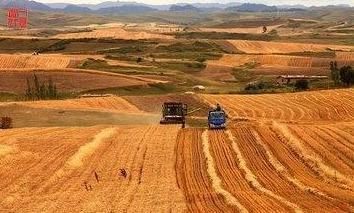
Second, crops grown in drylands. Drought-resistant crops such as maize, potatoes, potatoes, sunflowers, tobacco leaves and cash crops such as fruit trees, medicinal plants can be grown in drylands in the north and south。
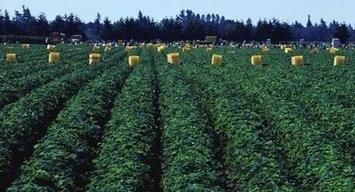
In any case, whether in the field or in the drylands, it is an important productive resource to ensure food security in our country, to improve the supply of agricultural by-products by the rural and urban inhabitants, and to care for the land, it is to love our homes and to defend the food baskets and food bags on which we depend。