Arable land is used exclusively for rice or other humid environmental crops. Such fields maintain a certain layer of water through irrigation systems to meet the water demands of crops such as rice. The following is a detailed description of the agriculture sector:
Characteristics of the field
Water storage: water fields are usually well protected, low and flat, allowing for accumulation and maintenance of a certain depth。
Soil characteristics: the soil of the water field is mostly clay or border soil, which is more nuanced and can effectively prevent water leakage. Long-term water accumulation leads to changes in soil oxidation and to the formation of unique “paddy soil”。
Eco-environment: waterfield ecosystems are rich and diverse, providing both growth conditions for rice and habitat for a wide range of aquatic organisms (e. G. Fish, frogs, insects, etc.)。
2. Use of water fields
Rice cultivation: this is the most important use of water fields and rice is one of the most important food crops in the world, especially in china, india and south-east asia。
Other crops: in addition to rice, some crops requiring a wet environment (e. G., lush, tungsten, white, etc.) can be grown in water fields。
Aquaculture: waterfields can also be combined with aquaculture models such as rice field fish farming, rice field shrimp farming to achieve “one field multiplication” and increase land use efficiency and economic efficiency。
3. Management of water fields
(1) land as a whole
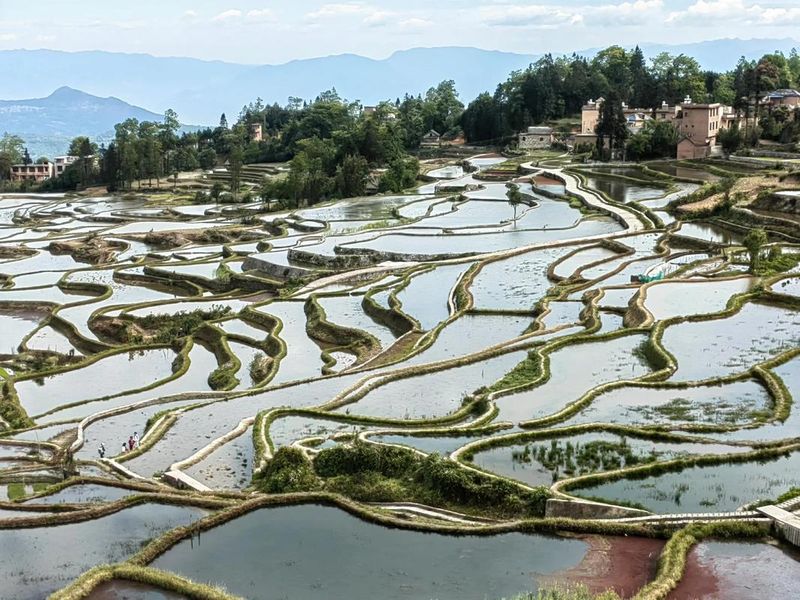
Before rice is grown, the field needs to be ploughed and pacified to ensure the level of the field so that it can be distributed evenly。
Cropping also improves soil structure, promotes organic decomposition and increases fertility。
(2) irrigation and drainage
Waterfields need to be irrigated on a regular basis to maintain an appropriate layer depth (usually 2-5 cm). Rice demand varies from one stage to another:
Premium: shallow water layer
(a) period: appropriate deepening of the water layer
Scratch period: maintenance of stabilization of the water layer
Age: gradual reduction of water and even drainage of tan。
Drainage systems are also important to avoid disease or salinization as a result of excessive water accumulation。
(3) fertilisation
Fertilizers in water fields consist mainly of nitrogen, phosphorus and potassium fertilizers, as well as appropriate amounts of organic fertilizers (e. G. Farm, green, etc.)。
Long-term rice cultivation can lead to loss of soil nutrients and therefore require a reasonable rotation or fallow to restore land capacity。
(4) pest management
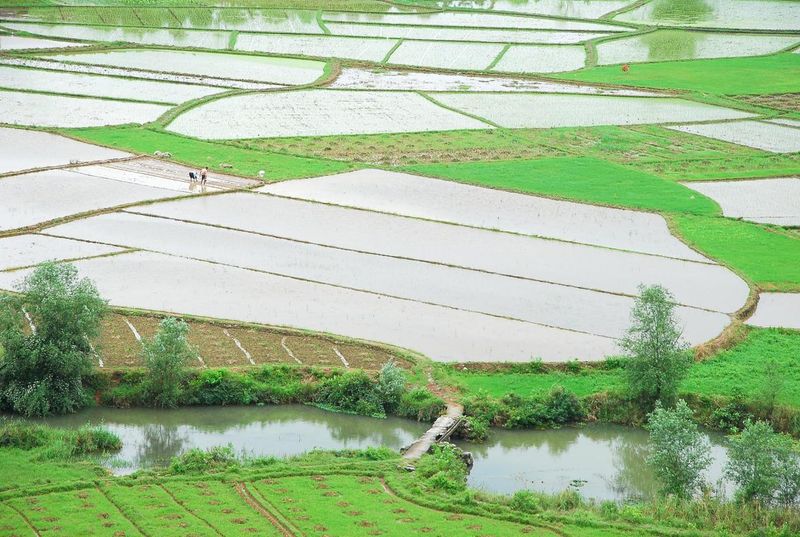
Waterfields are prone to diseases such as rice plagues, tattoos and paddy lice and require integrated prevention and treatment, including the selection of resistant varieties, scientific medicines, ecological regulation, etc。
4. Types of water fields
Depending on the terrain and water supply conditions, the fields can be divided into the following types:
Flatland water fields: located in plain areas, flat terrain, irrigation facilities, suitable for large-scale mechanization operations。
Treads: located in hilly or mountainous areas, adapted to the terrain through the construction of ladders, often in mountainous areas in the south of china。
Rain-fed fields: water supply is based mainly on natural rainfall, with fewer irrigation facilities and more climate-sensitive production。
Irrigated fields: there are well-developed irrigation systems that guarantee a stable water supply and more efficient production。
5. Waterfield strengths and challenges
(1) strengths
High productivity: rice, as a staple food crop, can produce high yields and ensure food security。
Ecological function: water fields have functions such as weather regulation, water conservation and biodiversity conservation。
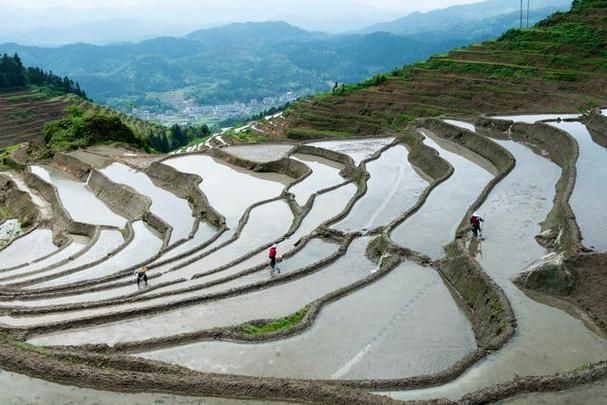
Multifunctional use: water fields not only grow food, but also develop a variety of industries such as aquaculture and rural tourism。
(2) challenges
Water stress: water fields require large quantities of water, while water shortages in some areas may limit their development。
Environmental pollution: excessive use of fertilizers and pesticides can lead to water body pollution and soil degradation。
Labour costs: the labour intensity of traditional water fields is greater, and as rural labour shifts, mechanization becomes the inevitable trend。
6. Modern development
As science and technology progress, water farming is moving towards efficiency, environmental protection and intellectualization:
Mechanization: the application of equipment such as plugs and harvesters has improved productivity。
Precision agriculture: precision management using remote sensing technology, drone monitoring, intelligent irrigation systems, etc。
Green agriculture: promote organic cultivation, reduce chemical inputs and protect the ecological environment。
In short, water fields are an important part of agricultural production, not only for food security but also for ecological conservation and cultural heritage. In future development, balancing economic and ecological benefits will be an important issue for water and agriculture。