Project objectives
Building a standardized, reusable, iterative body of knowledge in the field of novels, in response to the unstructured texts of near-modern, contemporary white-language novels, the multiplicity of personality relationships, the fragmentation of narrative clues and the fragmentation of scenery events. (c) the implementation of the structural dismantling of novel texts, the formalization of physical links, the logical modelling of the drama, which supports the use of top-level applications such as the analysis of novel content, the extraction of personal relationships, the visualization of the drama, the retrieval of content, smart questions and answers and the secondary creation of text。
The programme is suitable for all popular novels in white language and is not limited to a single subject, but is compatible with a variety of novels such as city, narrative, doubt, illusion, reality, etc。
1. 2 core problem two, corporate architecture design
A four-tiered structure is used as a whole: a data layer of knowledge extraction, a knowledge integration layer, and a full-scale white-language novel semantic feature。
2. 1 four-tier technical architecture
First tier: raw data layer
Data sources: white-language novel txt/epub/post-cleaning web page text, chapter subsection text, profile of the person, narrative summary. Data characteristics: strong verbalization, multiplicity of points (he/her/it, human abbreviations), dynamic evolution, relationship with drama。
Second level: knowledge extraction
Based on large model + field rules, physical identification, attribute extraction, relationship extraction, event extraction, suitable for oral, omitted and inverted novels。
Third level: knowledge integration and discrimination
To complete the process of physical dissension, defunctization, integration of relationships, integration of events, alignment of time periods and resolution of the problem of the same person, nickname, aliases, cross-sections。
Level 4: knowledge storage and application
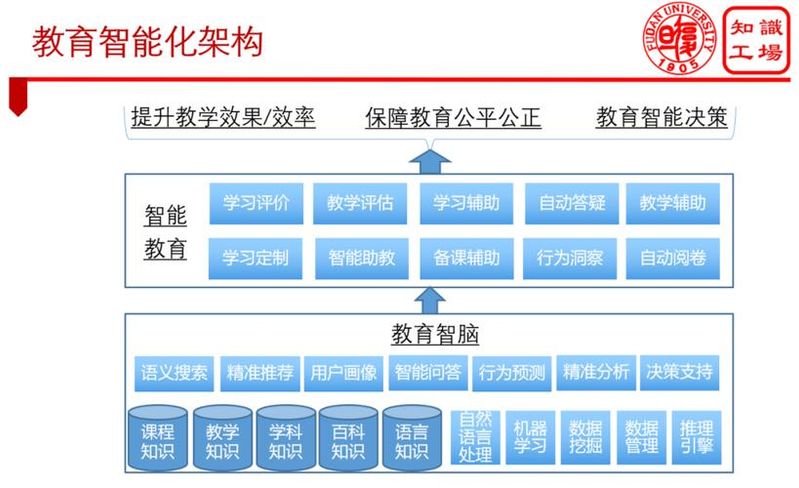
The database is structured to support visualization, relationship queries, drama, character analysis, content retrieval, etc。
Iii. The knowledge mapping matrix of novels (core standards)
The body is the core norm for the architecture of the schematics, which harmonizes the physical type, attributes, relationships, event paradigms of the novels, and uses all white novels。
3. 1 definition of a core entity (six categories of core entities)1
Properties: character id, real name, nickname, identity, character, occupation, age, physical characteristics, character tags, appearance chapter, end state, camp。
2) event entities
Properties: event id, name of event, chapter of occurrence, time of occurrence, description of event, person involved, outcome of event, type of event, plot weight (main/subline/voltage)。
3) site entities
Properties: name of scene, geographical location, type of scene (home/work/public space/special scene), section on appearance, related person, occurrence。
4) item entities
Properties: name of item, purpose, owner, appearance chapter, key props, associated plot。
5) organizations/power entities
Properties: name of organization, membership, organizational function, camp, appearance chapter, opposing/cooperative forces。
6) time entities
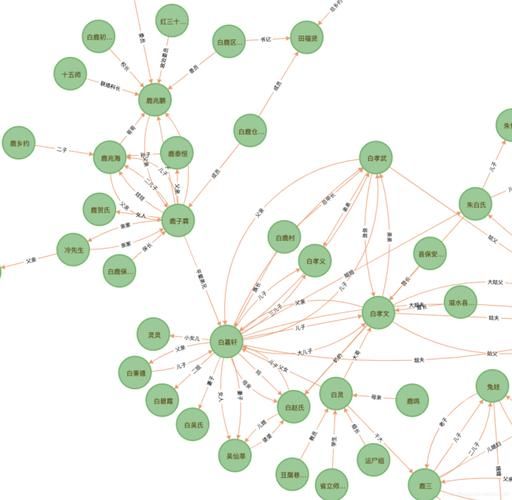
Properties: time series of novels, corresponding sections, associated events, chronological sequences。
3. 2 general system of relationships (common relationship of novels)
Covers all connections between person, event, scene, organization, standardized, batchable:
3. 3 incident classification system (compatible novels)
It is divided into eight categories of general drama events: interpersonal interaction, conflict, identity movements, material movements, scene migrations, emotional change, fate endings, etc。
Iv. Full-process builder step (down-to-ground implementation process) 4. 1 step 1: text pre-processing (white-language novel special cleaning)
Special treatment of oral and fragmentation features of white novels:
4. 2 step 2: knowledge extraction in the field (core links)
Use large model pA hybrid scheme of rompt extracts + rule amendments, suitable for white novels:
4. 3 step iii: knowledge convergence and dissimilarity (key dilemmas of fiction)
The problem of nicks, abbreviations, synonyms and confusion is widespread and must be addressed in an integrated manner:
4. 4 step 4: knowledge quality checks and manual calibration
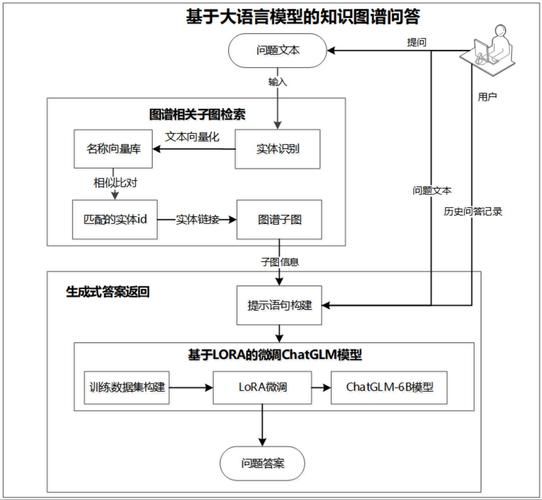
The machine extracts semantic deviations and sets a double-layer verification mechanism:
4. 5 step 5: knowledge storage and mapping
Using graphic database storage (neo4j mainstream):
V. Key technology programme (treatment of white word novel) 5. 1
White-language novels are distinguished from news, official text, with a large number of omitted sentences, statements, inverted sentences and poor recognition of the generic nlp model. The programme through the area of fiction pRompt fine-tweaks the rule library, fixes the symmetry paradigm and significantly increases the extraction accuracy。
5. 2 dynamic relationship modelling programme
Novel relationships, personality dynamics, and static patterns are not appropriate. The programme supports dynamic drama by adding effective chapters, invalid chapters, status labels to all relationships。
5. 3 diagram modelling
Distinguished from the common-person relationship mapping, the programme adds cause-and-effect edges and text-links to complete the logical chain of novels and to structure the “results”。
Vi. Output from landings
Once the package is landed, standardized results can be exported:
Vii. Update application