Lobster mushrooms are, in fact, a fungus complex of mushrooms formed on other mushrooms, which prefers to be found in mushrooms and red mushrooms, especially the short-stamped red mushrooms (russula brevipes), lactifluus deceptivus and the spicy spicy spicy mushrooms (l. Piperatus). For the time being, we call this parasitic fungus a multijuice fungi parasite。
The multi-juice fungi parasite is the first to infect the host's lid, rendering it incapable of reproduction but not killing it. As the infestation deepens, the fungus forms a beautiful layer of bright orange cover, covered on the host's mushroom surface, so that it becomes hard on the ground and covered with tiny creeps. At the same time, this parasitic fungus causes the host mushrooms to grow excessively, leading to changes in the outer shape of the originally regulated mushrooms and eventually to distortions。
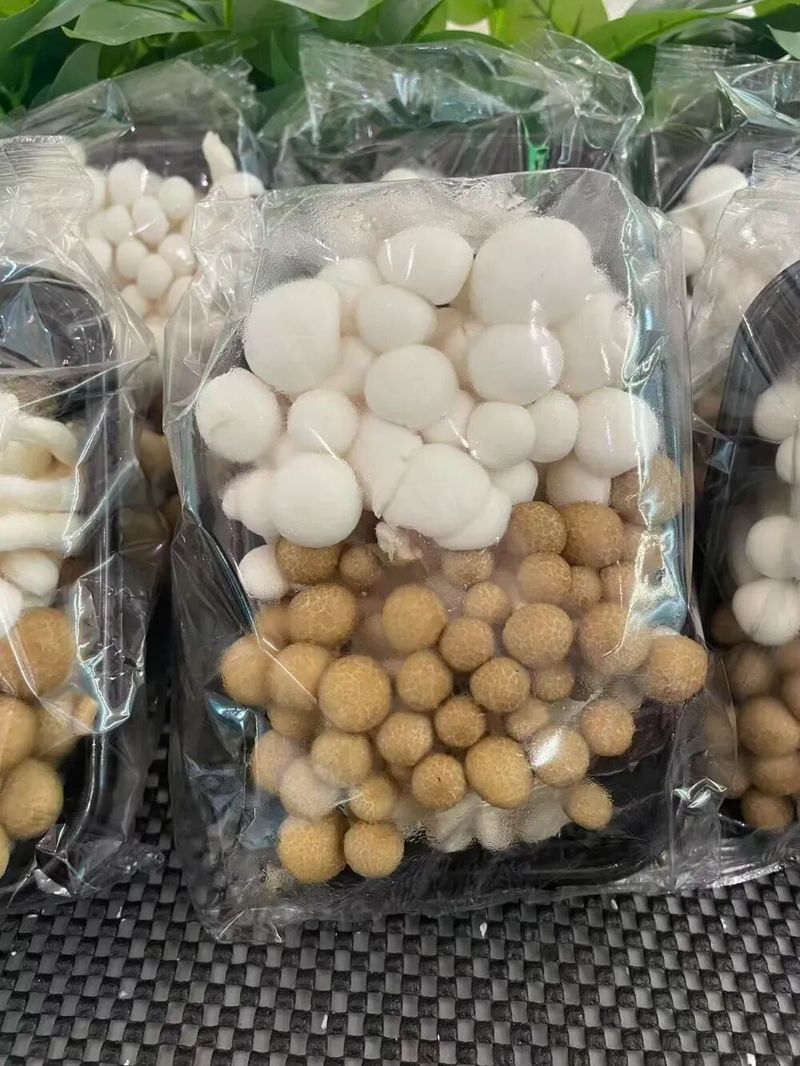
Sea mushrooms and white mushrooms are actually the same mushrooms, hypsizygus marmoreus, by their authors
In recent years, research has revealed the mystery of the magical transformation of lobster mushrooms. Research has found that when this parasite gradually penetrates host mushrooms, when mushrooms take over, they take over a little bit of each other's body: the dna of the mushrooms or the mushrooms disappears in different parts, first at the edges, then at the fungus, and then at the end there's not much genetic information left. And by the time we see that twisted, beautiful orange lobster mushroom in the woods, the original host is practically left. Even if it's cut open, there's no difference between the fungus and the normal mushrooms, but at the genetic level, it's almost completely “cleaned” and turned into a new work of parasitic fungi。
What is even more surprising is that such “modification” does not take place only on appearance and genetic information. As the parasitic process advances, the chemical composition of host mushrooms changes profoundly。
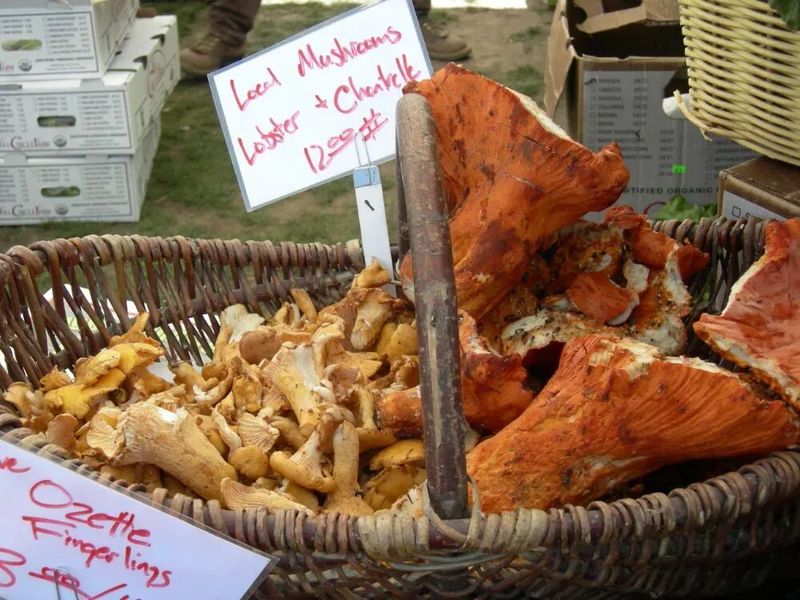
Mushrooms sold on the north american market, chicken oil fungus on the left, lobster mushrooms on the right, photo source: references
"the master of transformation" in mushrooms
Short-stamped red mushrooms, commonly known as rubella, although edible, are bitter and of poor tastes, which, following the parasite of the sacrificial fungi, are combined and the smell of mushrooms is elevated; spicy and spicy mushrooms, also known as the spicy fungi, are spicy and can lead to gastrointestinal inflammation, but after they are sent by the sacrificial fungi of the sacrificial fungi, the mushrooms are magically edible and delicious, and there are no further cases of poisoning。
In the parasitic process, the multi-juice fungus parasitic fungi reshapes the host's metabolites, and some of the otherwise spicy or bitter components are decomposed, while the neutral or fragrance of substances increases, thus giving the lobster mushroom a unique seafood flavor. In other words, the amphibious fungus parasites not only “mixed” the host's identity, but also, like a hidden cook, made a muscular and even difficult to swallow, a natural gift。
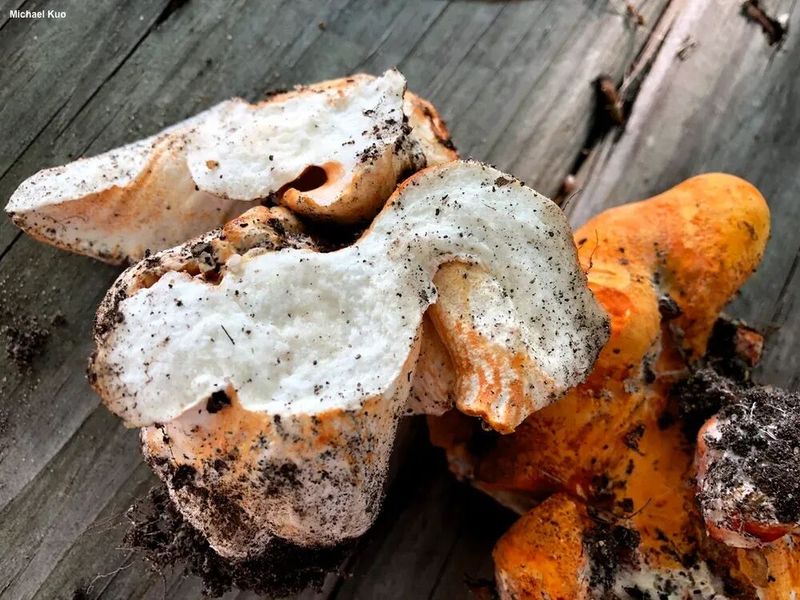
The internal fungus of lobster mushrooms, which does not look different from the human eye, has been replaced by parasitic fungi
Almost all members of the hypomyces are people who like parasites on other fungi. As other fungi struggled to grow “shrooms” to breed, they had developed unique parasitic techniques that easily stole the results of other fungi efforts。
Multi-juice fungul parasites are widely found in north america, including canada, the united states and mexico, and are not widely distributed in china, but friends who often go out of the field occasionally encounter similar mushrooms, typically characterized by the disappearance of microcreams and their replacement with small, small, insulated particles. It's actually the result of other parasitic members. It is common in our country to have hypomyces lateitius, chrysospermus, etc。
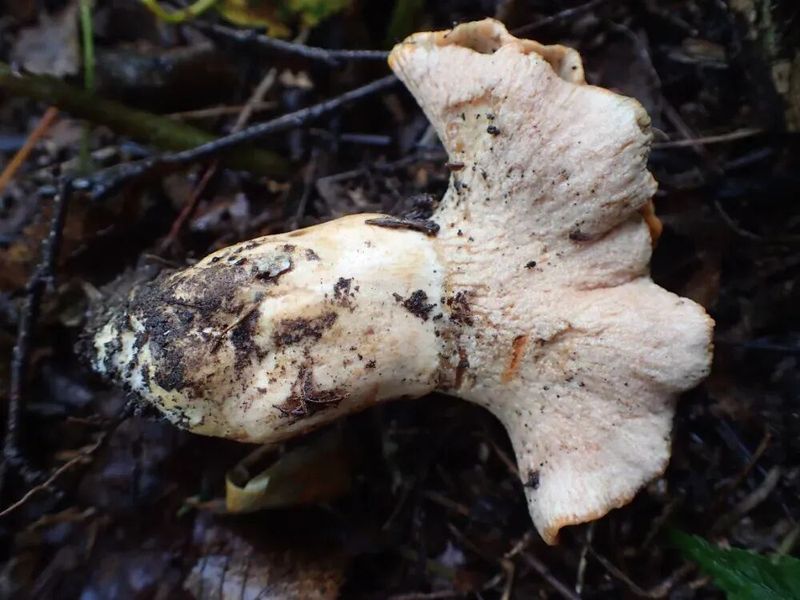
The mushrooms that are parasitic by the bricks, the back bacterium has disappeared
Brick parasitic bacteria are mainly parasitic in mushrooms, white to light yellow for most of their development, but with prolonged periods of life, the colour becomes brick red and the food is unknown. The main parasite of the fungi is found in the bovine liver, which, with the growth of the parasitic fungi, changes from white to light yellow, then dark gold yellow, and eventually red brown in the form of a hard shell, at which point the mushrooms begin to rot. This parasitic fungi has an anti-smoking drug activity, which is unknown。
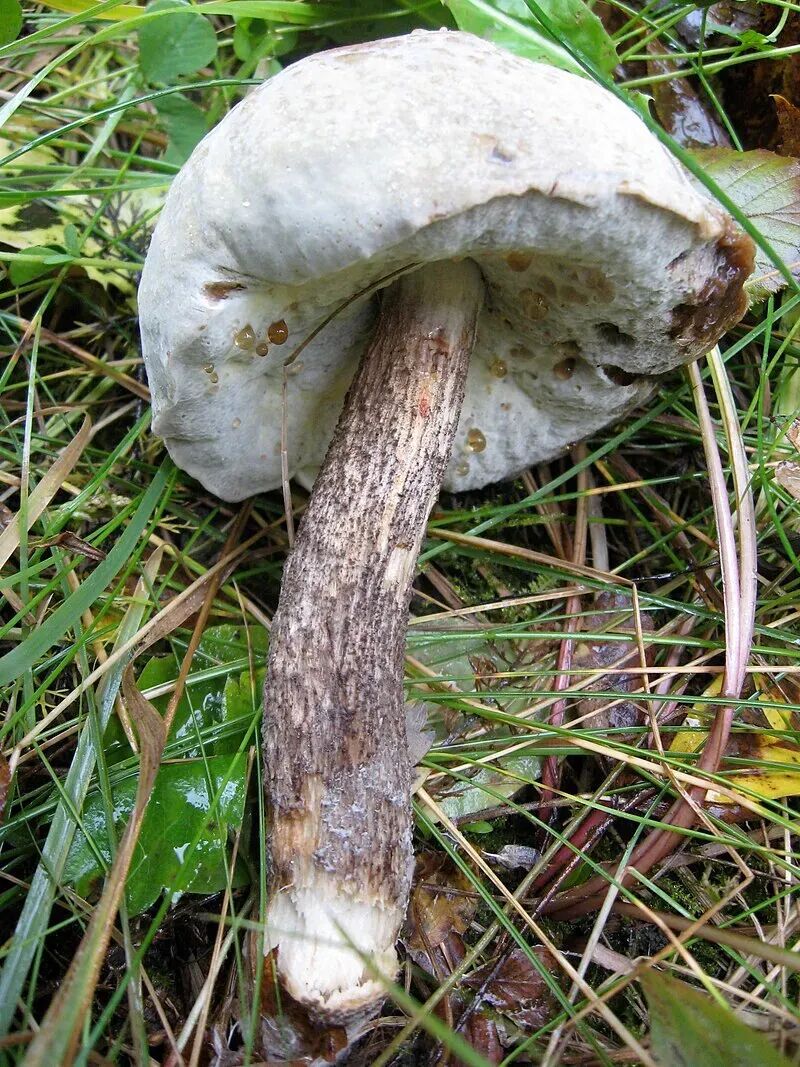
Caucasian hepasis parasitic by golden fungi, initially covered by a diaphragm, photo source: references
It's worth mentioning that bacterial parasitics are not the same as what we call fungus. Although both are fungi, fungi commonly refer to filamental fungus that are growing rapidly in a wet environment, such as carcinoma, acne, which tends to decompose foods, mostly by decomposing organic matter, and also by decomposing mushrooms, while fungi parasitic bacteria are the type of parasite that specializes in “obscuring” other fungi, which enters the mushrooms, alters or even takes over the host's form and metabolism completely, so as to “change the face of the plain mushrooms completely” like lobster mushrooms。
Among these “micro-eating” parasites, there is also a typical representative of what appears to be “eating mushrooms” - asterophora lycoperdoides. It is also often parasitic on red mushrooms, in particular rare red mushrooms (russula nigricas), smoke mushrooms (r. Adusta) and red mushrooms (r. Densifolia). Unlike the fungi parasites, when the host mushrooms weaken or begin to decay, they appear quietly and breed on the host's surface。
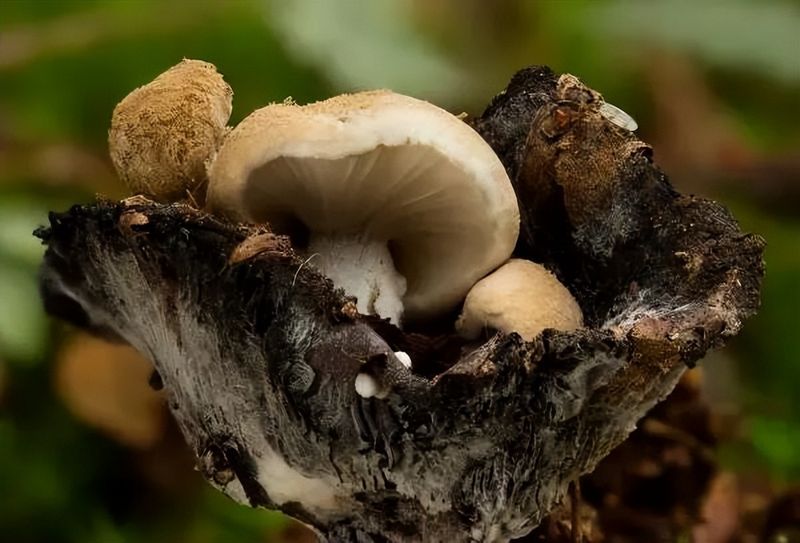
Starfleet parasite mushrooms, growing on the caps of rotting red mushrooms, source of pictures: references
A notable feature of the swarm of mushrooms is that they form brown powder on the surface of the bacterium, which is in fact made up of a thick, non-sexual plume pile. Unlike most mushrooms, which rely only on sexual reproduction, the swarms adopt a “two-pronged” strategy: they can produce sexual spores through the burden, and they can quickly clone themselves through a thick, non-sexual larvae. Food is currently unknown but is generally considered non-eatable。
The phenomenon of parasitic bacteria in nature is always amazing, and its richness and wonders are far greater than we can see in our eyes. Behind each of the “variable” mushrooms is the potential for complex ecological relationships and sophisticated survival strategies。