It's a technical point for the limo
I. Selection of varieties
The selection of appropriate disease-resistant, high-quality and well-commodated varieties such as olympian 4, no. 5 and no. 1 are used。
Soil preparation
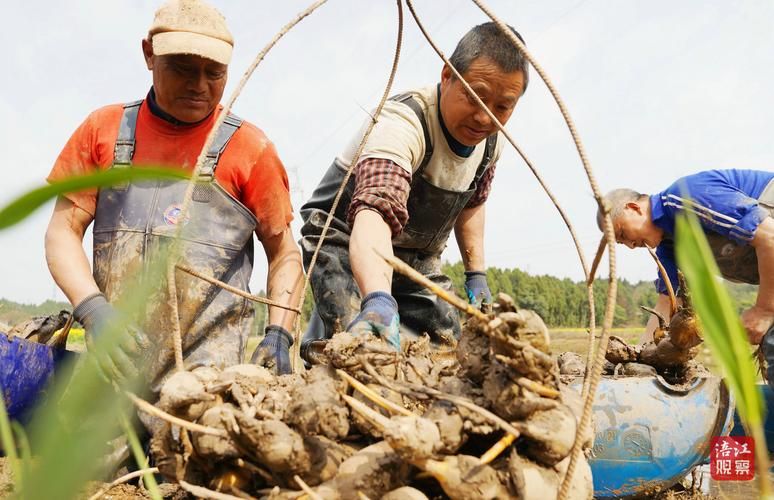
It would be useful to select the deep, fertile soil layer of soil, which would be soothing the adhesive and water-preserving clay. It should normally be 30 cm deep and drenched, with an acre applied to farm weights of between 4,000 and 5,000 kg and a compound fertilizer of between 30 and 40 kg/acre。
Iii. Preparatory activities
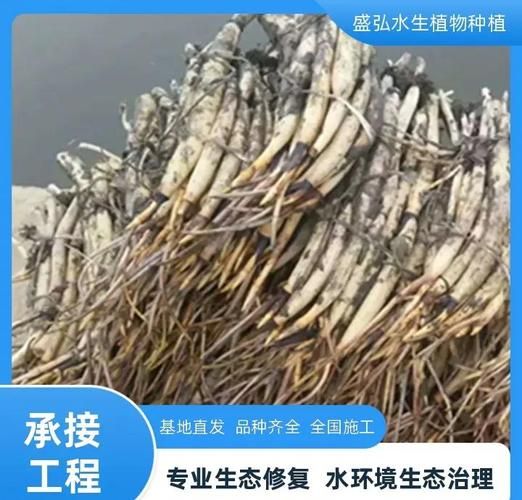
The seeding that can be made of wholesaling and seedlings typically requires that the smallest twigs have one sprout, two stubbles, and three stubbles, which can be properly dredged, from digging to planting for a period not exceeding 10 days。
Iv. Puting
The sprout temperature is 12-15°c. It is generally desirable to line up seeds between bright and hot summers when they are budding。
V. Planting
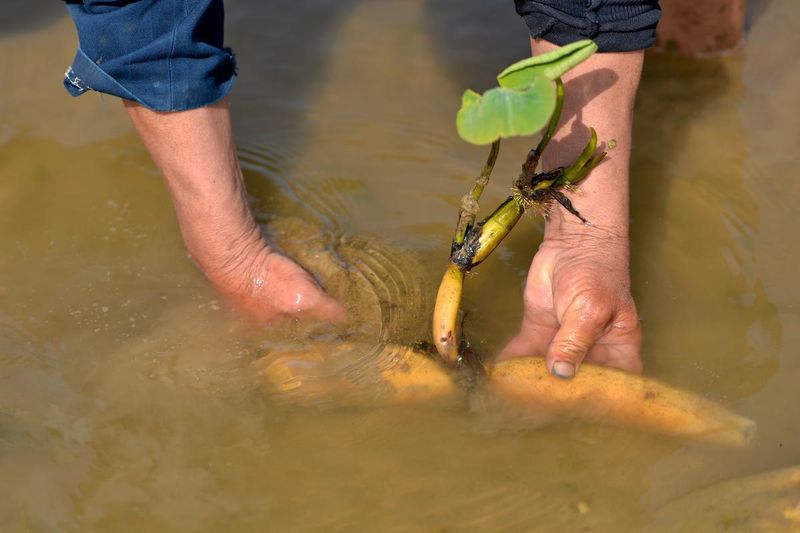
The den is 1. 3 metres and the line 1. 8 metres, and the seed is slashed with a 20-degree angle into the mud by 5-10 cm, the outside of the base is exposed to mud, the inside of the head is sprouted into plum formations between different lines. The acreage is 200-300 kg。
Vi. Holda management
Water management. The field should maintain the water layer for years, with the initial planting (april-may) suitable for 3-5 cm. The boom (july-august) can deepen to 15-20 cm. The end date (september-october) is 5-10 cm for shallow water。
Weeding. When weeding is done, the fields are shallow, so that the weeds that are uprooted may be buried in the soil. Artificial weeding is promoted, and weeding is done carefully with herbicides。
Three, catch fat. In general, manure is followed up three times, with the first application of 2,000 kg or 15 kg/cirre in human urine at the time of 1-2 li leaves (25 days after the date of the date of the date of planting), the second application of 20-25 kg of compound fertilizer at the time of the closure of 5-6 li leaves (40 days after the date of the date of the date of planting), urea 10-15 kg or 2000 kg/cm in manure at the time of the end of leaf appearance, and the third application of 15 kg of urea or 2000 kg in human urine per acre at the time of termination。
4. Turn around. The whips close to the field may be directed to the field so as not to stretch into the adjacent field, and the places that are too dense in the field may be properly diverted to the thin areas so that the knots may be evenly even.
5. Flows and leaves. In order to keep the field ventilated, dead leaves, yellow leaves and old leaves may be removed in a timely manner and, in order to prevent nutrient consumption, the flowers may be broken, but not broken, in order to prevent rain from immersing。
6. Disease prevention and treatment. The most common diseases are corruption and brown spots. Corrupt diseases are heavily combated in agriculture, with the option of using anti-disease or disease-free varieties, such as retortation, field disinfection, etc.; lignomal diseases, in their early stages, can be treated with more than 25 per cent of the filamentable powder, 500 to 1,000 times the fluid, 75 per cent of the 100 bacteria of humid powder, 600 times the fluid, or 25 per cent of the mercuric powder, 800 times the spray。