Summary: xinjiang is not only china's largest tomato-producing region, but is also one of the world's three largest. Xinjiang's geographical conditions are favourable to tomato cultivation and its results are of high quality. However, environmental factors in xinjiang, such as lack of water resources and poor transport, also constrain the development of tomato cultivation. The article briefly presents ideas and proposals for the development of the tomato industry in xinjiang。
Keywords: xinjiang; tomato; cultivation; thinking and advice
Tomato flavors are unique and rich in taste, both vegetables and fruits, and they preserve their nutritional value, whether they be cooked or eaten rawly, and are well received by consumers. As tomato cultivation, although simple, also requires careful care and a certain level of living conditions, the idea of developing the tomato industry is very important for tomato cultivation。
1. Development of the xinjiang tomato industry
1. 1 development experience
Tomatoes originated in south america and were initially considered to be a poison fruit, but since the seventeenth century, when a french painter made “the first crab eater”, people began to discover its unique taste and taste, and in the eighteenth century the tomatoes finally arrived at the table. But in our history, tomatoes have long been cultivated. In the 1950s, some of our coastal areas rapidly developed tomato production and tomato production, but not a complete chain of tomato production. However, after the 1980s, the rapid economic development of these areas, the natural environment conditions are no longer ideal for tomato cultivation, and economic development has been accompanied by a decreasing area of cultivated land and higher labour and labour costs, leading to the gradual migration of our tomato industry to china's interior. Xinjiang emerged in many provinces under unique and generous natural conditions, with the xinjiang tomato plant becoming china's largest base and gradually forming a complete industrial chain。
1. 2 the natural condition advantage of xinjiang tomato cultivation
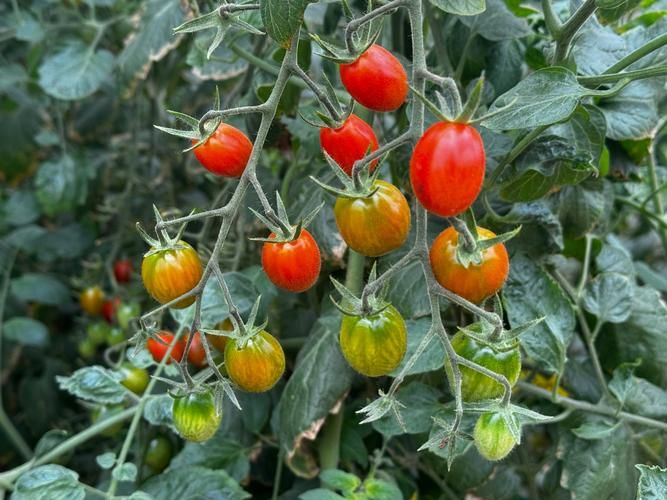
Because xinjiang is within eurasia, it is a temperate continental climate. During the day, it is hot and dry and the light is full; at night, the temperature varies considerably because the sand is lower than the heat. The promotion of redacters and the storage of dry materials is greatly facilitated. In addition, xinjiang has a dry summer climate, a cold winter climate and a poor living environment for parasites. It is important to combat diseases and parasites, increase tomato acre production and improve the quality of tomato products. This unique natural ecological environment is well suited for the cultivation of tomatoes and for the production of tomatoes containing high levels of tomato erythrobin, which can be used for infertility and fewer diseases. The quality of tomatoes at the xinjiang tomato plant is internationally recognized to be better than that at the united states tomato plant. At present, xinjiang is becoming china's main tomato processing zone and one of the few areas of the world that is most suitable for tomato production。
1. 3 xinjiang tomato production and sale
With the development of the xinjiang tomato industry in recent decades, xinjiang not only accounts for more than 90 per cent of the country's production of tomato products, but also one in four bottles of ketchup worldwide comes from xinjiang. According to china daily, 380t tomatoes are produced and processed annually by xinjiang. The annual production of tomato products is over 650,000 t, representing 90 per cent of total national production. According to the analysis of the distribution and future prospects of china's tomato industry 2021-2027, published by isp, china is expected to be the world's largest producer of tomatoes in 2019. In china, tomato cultivation has also continued to expand from 2014 to 2020. Xinjiang is not only china’s largest tomato-producing region, but is also one of the world’s three largest tomato-producing regions. According to the report, the growth of tomato production in xinjiang has been increasing between 2017 and 2020。
2 xinjiang tomato cultivation
2. 1 water resources issues
Xinjiang lies in the interior of the eurasian continent, is landlocked to china, is an arid region with low precipitation, and many rivers, large and small, within the xinjiang region, are mainly formed by the melting of snow and ice in the summer mountains, with greater seasonal impact. The distribution of water resources in the north and south is also extremely uneven, particularly in the south, and is chronically affected by drought. The construction of agricultural water works in xinjiang is lagging behind china's coastal areas, and its regulatory capacity is relatively low, water resources are leaking, irrigation water sources are long-term dependent on groundwater and irrigation technologies are lagging, leading to lower utilization of agricultural water。
2. 2 transport
Despite the high rate of rural road access in xinjiang, the infrastructure is poor, the village roads are poorly graded, the vast majority of which are mudslides, unhardened, narrow and extremely poor. The geography of xinjiang is not conducive to transport, the perennial drought has resulted in the non-growth of most plants, widespread wind and sand, and the impact of wind and sand on the road rails connecting xinjiang to china's coastal areas, affecting the shelf life of tomatoes. As a result of the new coronary pneumonia outbreak in 2020, the country's fruits remained in their respective provinces, and the country's tomato production was not only the first in the country, but also the country's exports, which also had a significant impact on the sale of tomatoes in xinjiang. When the epidemic was lifted, the country's fruit farmers, with the help of the state, sold their products, while the sale of tomatoes in xinjiang was still affected by the lack of transport and delayed distribution。
2. 3 agricultural households
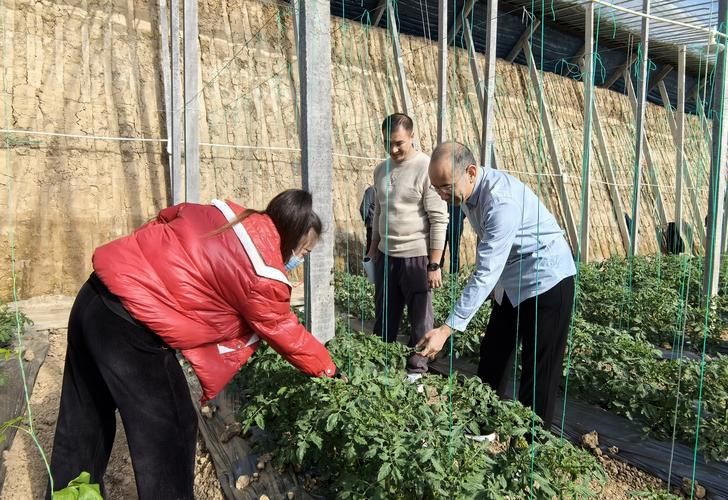
Some farmers, in pursuit of high yields, use fertilizers and pesticides in large quantities, resulting in the accumulation of large amounts of fertilizer pesticide residues during the development of tomatoes, while others, while taking advantage of the high price of tomatoes, use such precipitating agents, among others, to affect the quality of tomatoes. Also, during the acquisition season, some farmers speculate to insert premature tomatoes into mature tomatoes, leading to a decline in their overall quality. Moreover, in order to guarantee the acquisition of xinjiang tomatoes, enterprises have attempted to establish long-term cooperation with farmers through contracts. However, during the xinjiang tomato harvest season, some farmers lacked a long-term perspective and a low legal awareness to sell tomatoes to order companies as contracted, but instead sold their own tomatoes to enterprises with higher prices. While some enterprises tried to defend their legitimate interests through legal means, the result was unsatisfactory. This has led to frequent contradictions between farmers and order companies when acquiring tomatoes. In addition to non-compliance with regulations and the sale of non-compliant tomatoes, a number of extreme practices have led to a further exacerbation of contradictions, which has seriously affected the sale of tomatoes in xinjiang and the reputation of such tomatoes in xinjiang。
2. 4 poorly organized farming households
In recent years, xinjiang has adopted professional cooperative organizations for farmers, which have grown considerably but to a very low degree. In some places, the membership of professional cooperative organizations of farmers requires membership dues, leading to the reluctance of many farmers to pay for their participation and the low impact of professional cooperative organizations of farmers. In the early acquisition of tomatoes, contracts were concluded with businesses with the village council as a legal entity, but problems were identified in the course of the contract operation, such as the harvesting of tomatoes, the uneven quality of the tomatoes, and the unequal distribution of benefits following the acquisition, which led to a gradual shift of orders for the acquisition of tomatoes towards direct contracting between farmers and enterprises, creating a “business + farmer” model in which the village council played a marginal role. Because of the diversity of areas and sizes cultivated by farmers, it was difficult to achieve the perfect implementation of agricultural contract contracts between individual farmers and enterprises, and small farmers formed groups to work with large farmers to sell tomatoes to order enterprises through large farmers. This model, however, allows large farmers to assume full legal responsibility, from which large farmers draw some costs, and serves as a bridge between small farmers and businesses. Even when bridges have emerged, they have reduced the earnings of small farmers, which is why they are also sold alone. Tomatoes are a one-year plant and a seasonal agricultural product, so during the collection and sale season, when farmers are all involved in the harvest, the sale is left unattended, and the tomato harvest can be corrupted by high temperatures; but if they are managed by a split, the timing of the harvest will miss the season and the price of tomatoes will fall, causing considerable economic loss. In this case, the village council organizes the organization, but some farmers sell their tomatoes through private relationships, which disrupts the normal order of sale, while slow-picked farmers sell them at lower prices to ensure that the economy does not suffer serious losses. This is a reflection of the low level of organization of farmers and the lack of some regulatory rules。
2. 5 risk resistance
For agricultural production in xinjiang, the process of production is more dependent on light, land and water resources, and these natural resources do not always contribute to agricultural cultivation. The xinjiang is a huge basin, a predominantly wind- and sand-based area with relatively small areas of green land. When natural disasters occur, the production and quality of agricultural products planted on the edge of the green land, such as tomatoes and melons, are affected, with direct losses to farmers. The water resources of xinjiang are seasonal and, while they can meet the daily needs of xinjiang people, agricultural production is in great need of water. In the case of the new frontier, which is landlocked, irrigation technologies are clearly less than those of coastal cities, and if water resources are not replenished in a timely manner, they will have a significant impact on cultivation. Transport conditions in xinjiang are relatively poor, and after the outbreak was eased, sales of products were well under way in all provinces of the country, but transport in xinjiang severely constrained sales. Moreover, as xinjiang is one of the regions with the largest export of tomatoes in the world, changes in world market demand can lead to high market risks for the sale of xinjiang tomatoes. Xinjiang tomato farmers also lag relatively behind in their knowledge of changing market demand, leading to a contradiction between tomato cultivation sales and market demand。
2. 6 long-term mutually beneficial relations between farmers and enterprises have not been established
Long-term cooperation between farmers and enterprises is not yet guaranteed. The main reasons for this are: the weak enforcement of the xinjiang tomato production and marketing organization; the inability of farmers and enterprises to take on the risks that arise from the market; and the precarious nature of the cooperative relationship between farmers and enterprises, which is not prepared for the common good and tends only to their best interests. Contracts entered into by farmers and businesses are not regulated, the breach of insurance contracts is common, and the parties are often unable to comply with the contract, fail to comply with the terms of the contract and infringe on the interests of both parties, resulting in a lower rate of compliance with the tomato production and distribution contract. There are also contradictions between farmers and enterprises, both of which want more economic benefits, who sell tomatoes to enterprises that have higher prices than the purchase order, while companies that have successfully acquired the tomatoes of farmers under contract can sell them at higher prices. However, when conflicts of interest occur, neither party has been able to negotiate and reconcile well。
2. 7 government regulation
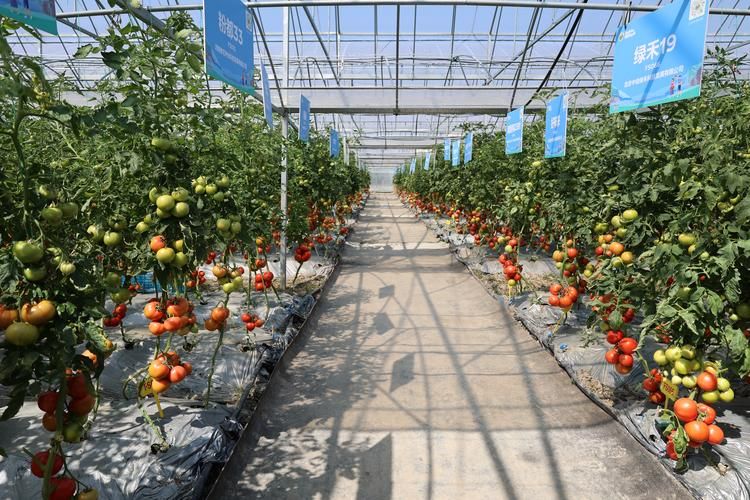
Market surveillance requires two hands, one visible hand and one invisible hand. Governments are visible hands and are important for market regulation. While self-regulation of market mechanisms contributes to industry development, self-regulation of markets is limited, and when market regulation mechanisms fail, governments must regulate markets and direct industry regulation. Similarly, the long-term development of the tomato industry is dependent on government support. The government of the xinjiang autonomous region has put in place a policy for the development of niche industries, but the actual results have not been satisfactory in the light of the policy. First, while the xinjiang autonomous region government has promulgated policies for the development of the xinjiang tomato industry, their implementation and advertising have not been effective, and many farmers are not aware of the policies implemented by the government, and the actual functioning of the policy is less than optimistic. Second, the government lacks operational regulation of the tomato market. When market operations deviate from standards, the government and the relevant sectors do not plan for changes in time. Finally, the lack of norms and standards for the acquisition of tomatoes by the government and the relevant authorities makes the rates set by the enterprises unique, to the detriment of farmers and to the detriment of the market order。
3 thoughts and recommendations
3. 1 technological upgrading
3. 1. 1 the selection of high-quality tomato varieties is a prerequisite and basis for achieving high-quality tomato production. In order to effectively increase the efficiency of tomato cultivation, scientists need to select adaptable and disease-resistant varieties of tomatoes. There are also options for genetically modified tomatoes, which scientists have successfully developed by combining the anti-frozen genes of fish with tomatoes, which is a good solution to the problem of poor temperature in xinjiang. There is also a need to select tomato seeds on a realistic basis that are better adapted to the environment in order to generate higher economic returns. 3. 1. 2 the water resources of xinjiang, the irrigation technology, are generally sufficient for the daily lives of the xinjiang people, but not for the consumption of cultivation. Moreover, xinjiang is not only china’s largest producer of tomatoes, but also one of the world’s three largest producers. Thus, xinjiang could introduce irrigation technology, particularly drip irrigation, for agricultural conservation in israel, which is internationally leading and uses up to 95 per cent of its water, and is well suited to varieties that require precision cultivation. For example, in greenhouses, the israeli drip irrigation technology provides only 200 ml of water per hour, which allows water to spread evenly and significantly reduces water loss。
3. 2 government support
3. 2. 1 the construction of xinjiang is an important stop of our ancient land-based silk road, which used camels to carry goods, and which is now behind the times, while the poor districts of xinjiang have lower road grades, severely constraining the transport of agricultural fruit and vegetables, significantly increasing transport costs and reducing the economic earnings of farmers. The government should invest more in accelerating the construction of basic transport facilities and advanced roads in xinjiang, strengthening communication between xinjiang and coastal or neighbouring countries, promoting economic development, reducing transport costs of tomatoes in xinjiang and increasing the economic returns of farmers. 3. 2. 2 the policy regulates the establishment of professional cooperative organizations for farmers and the establishment of regulatory regulations to enable the organization and order enterprises to proceed in an orderly manner in the acquisition of tomatoes, to reduce direct contact between individual farmers and order enterprises and to reduce frictions and contradictions. (b) establish standards for the quality of tomatoes, make the purchase price of tomatoes visible, reduce the number of farmers selling tomatoes to enterprises with higher purchase prices than contracts, ensure the proper performance of contracts signed and ensure the long-term development of professional cooperative organizations between enterprises and farmers. Market preferences have been introduced to increase the benefits enjoyed by farmers and to subsidize transactions between farmers and order firms, thus providing both with greater economic benefits。
4 concluding remarks
As china's largest tomato producer, one of the world's three largest producers, xinjiang has provided the country with huge economic revenues, while raising the incomes of the people of xinjiang region, which have a substantial impact on the achievement of the goal of shared prosperity. Xinjiang is located in the interior of china, and the increase in economic revenues will allow the construction of transport facilities in xinjiang to be improved, exchanges with different parts of china to be strengthened, national exchanges to be promoted and national prosperity to flourish。