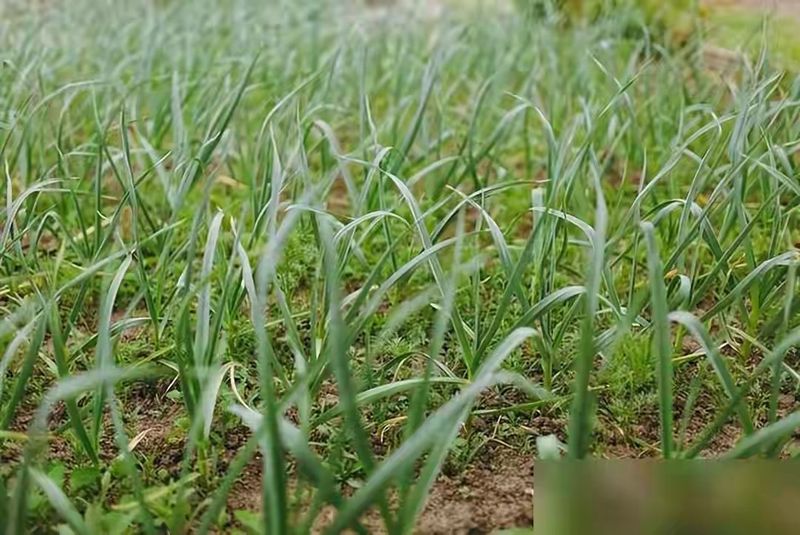
Watching the weather cool day by day, when the white flashes, the golden period of garlic sowing is almost over. Households have begun to prepare for fatting and planting the next garlic. It's easy to grow garlic, to dig a pit and bury the garlic in it, but many of the old people lose their lives。
Some of the plots sow, half of the seed, half of the seed, and some of the garlic is soaring, leaves and green oil, but until the garlic is gnawed, the garlic is thin, the garlic is loose, it doesn't sell. The same garlic, the same piece of land, another acre of land that can harvest a pound, is directly less than a third of its production. In the end, it's the seeding that slips into the wrong zone. Today i will share with you the experience i have learned from the years of garlic, and i will hold it firmly to "no" , and the seedlings will come out well, the roots will be deep, the garlic will be full and the garlic will be very productive。
First, don't do it: don't plant it with garlic and stop the sprouts
1. The problem of widespread pedals by farmers
Many of the saving farmers, with garlic petals, have their whole head of garlic, all of them with their skin and garlic on their backs, and they have their dry skin on their backs. It's always felt that garlic protects garlic buds. It's not easy to be eaten by bugs, but it's the opposite。
Following the planting of garlic, there is moisture in the soil, and the dry skins wrapped in the garlic can be caught in the garlic, preventing it from sucking up. Especially when the soil is too wet, the skin is smothered in the wet soil for so long that the permafrost becomes less airy and the garlic bud is not contained in the soil, and it rots and rots as long as it lasts。
There is also a part of the garlic that is too resilient, and that does not break the skin, and the last sprouts grow in the earth, with mixed seeding times, and the late seedlings are weak and difficult to grow into garlic。
2. Correct approach
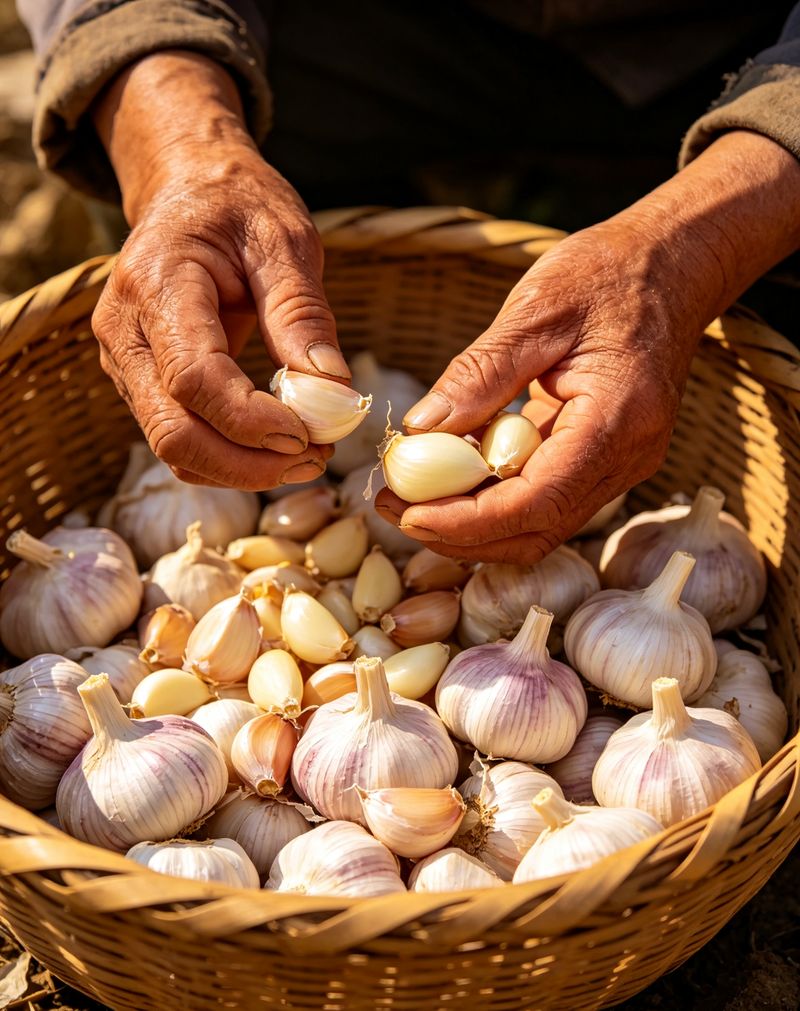
Three days before the planting, the whole garlic was fully ripped open and the dry-dry garlic and garlic coats were removed from the outer layer and only a thin inside of the garlic petals。
Scratching is done with simple sorting: soft hair, dark hair, with worm eyes, and cold-skinned low-quality garlic petals are removed and thrown out, leaving only seeds of good-quality, solid, balanced-headed garlic。
3. Small alarm for pit avoidance
It is not necessary to immerse the garlic petals, soak the water for four to six hours, so that the dry garlic petals can suck up the moisture and extract the leaching surface water for replanting. Both ensure a uniform rate of seeding and significantly reduce the incidence of degenerative species and minimize the incidence of acreage。
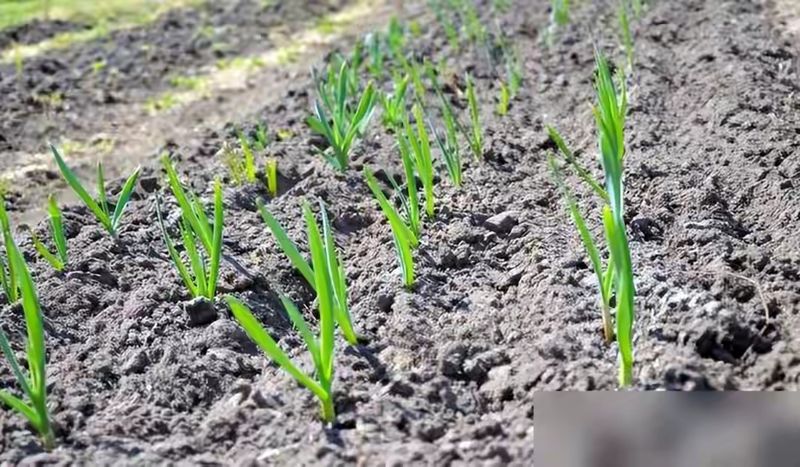
Second, don't: don't spread it blindly, in the wrong depth, and cut production by half
1. Two major hazards associated with deep seeding
The deepness of garlic is the most critical step in determining the strength and size of garlic, and many people have not managed to control it well, eventually leading to a reduction in production。
If the seeding is too shallow, the garlic petals are too shallow, the surface soil is poorly watered, and the garlic petals are easily dried up by the sun, making it difficult. Even if the seedlings are smooth, the garlic seedlings are shallow, and once the winter is cold, the seedlings are particularly vulnerable to freezing. The next spring is a slow spring, the garlic is growing thin, the underground garlic is not expanding enough space and the garlic is not growing too much。
If the seed is too deep and the garlic is buried in the soil by more than a dozen centimetres, it takes a lot of effort to get out of the ground. Then the seedling grew thin and yellow, and became high. The depths of the soil are poor in aerobics and the last roots are not breathing well, and when the garlic swells, the pressure on the earth is too high, the garlic is difficult to expand, and finally a pile of small monolithic garlic grows, seriously affecting the harvest。
2-strategic block precision control seed depth
1. Sand estinous soil: the soil is loosely ventilated and seed depth is controlled by about 4 cm。
Sticky yoghurt: the earth layer is sorely low that seed depth is most appropriate at 3 cm。
3. Cold, winter open fields: half centimetres can be duly deepened to protect garlic buds from winter。
3. Practising small skills
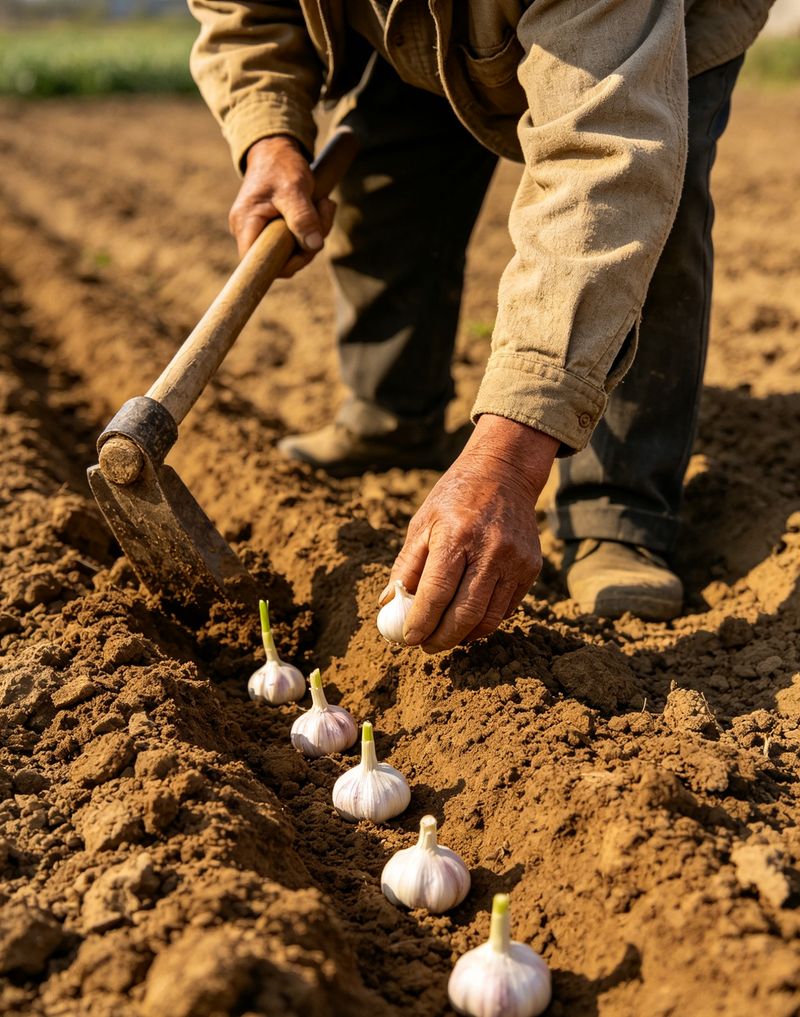
When you open the ditch, you put the garlic in the head and the garlic sprouts up and down. After the placement, the soil is evenly covered, the thickness of the soil is consistent, the whole area is unified in its seedling time, and there are no different sizes。
Three, three, no: don't repeat it
One, the vice of planting garlic
Many farmers have limited access to their home gardens and have been planting garlic on the same plots year after year without changing. After two or three consecutive years of heavy weight, the soil accumulates a large amount of fungi and pest eggs。
The most likely roots of garlic rot and foliage are mostly the result of a heavy burden. In the early stages, the seedlings had yellow roots, and in the post-middle period the garlic maggots were abundant, and the garlic was eaten cleanly. It's a small, empty and low quality, even if it barely grows into garlic。
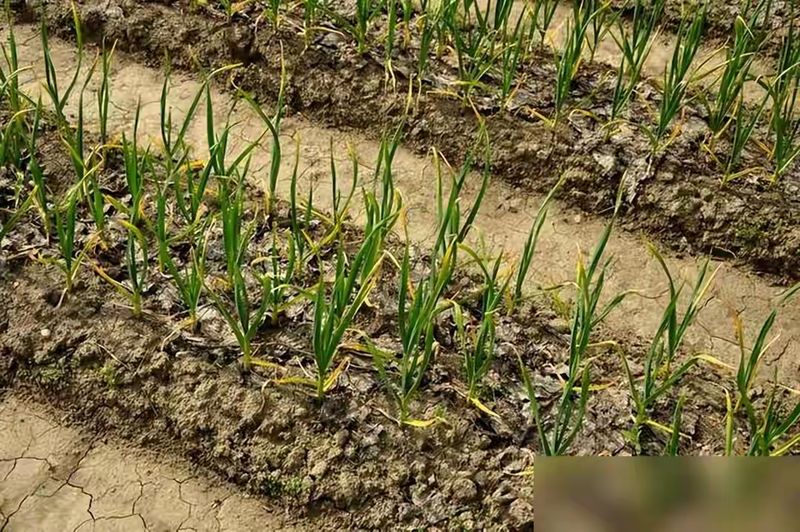
Moreover, the continuous cultivation of garlic can continue to consume the same nutrients in the soil, which are unbalanced and the strength of the soil declines each year, with the production being lower。
2. Reasonable rotation schemes
Programme i: biennial rotation. This year, garlic is grown, followed by maize, soybeans and groundnut crops, avoiding garlic vegetables and cutting the path to disease transmission。
Programme ii: vegetable crop rotation. After the garlic harvest, cabbage, carrots, bean horns and peppers are planted and the garlic is replanted at intervals of one year。
3. Remedies that cannot really be rotated
If the plot is so tense, it can only grow garlic over the years, it must be improved earlier. The whole area is covered with corroded farm fats, which, together with grass and ash, till the ground and destroy the living environment of the eggs. The seeding is preceded by the spreading of a layer of fine sand, which reduces the incidence of root diseases and minimizes severe hazards。
Hole avoidance alarm
Don't just spill the raw shit. Not enough rotting chicken dung and goat dung buried in the ground, fermenting twice in the soil, creating high temperatures and burning garlic. Roots and garlic sprouts, a large area of burning seedlings to death, were put into waste. All organic fertilizers must be fermented two to three months in advance and fully decomposed before going down。
Fourth, don't: no bottom fat, only nitrogen fat, early and late, low garlic
1. Fertilisation error area
Many farmers grow garlic only to grow seedlings, and the whole land is covered with a large amount of pure nitrogen fertilizer, such as urea and ammonium carbonate. The previous period, when the garlic seed had grown tall and green and looked at the glamour, was in fact particularly acute。
Nitrogen fertilizers are overused, garlic seedlings grow, leaves are weak, winter resistance to cold is extremely poor, and massive frost injuries occur. After the spring, the leaves were so long, the nutrients were so full of leaves, the underground garlic was not supplied with nutrients and the rate of expansion was severely hampered. In the middle and later stages, the ground is not strong enough, garlic is dry and thin。
At the same time, overweight nitrogen contributes to the outbreak of garlic maggots, root rotors and pests, and it is unrealistic to expect high yields。
2. The scientific ratio of garlic bottom fertilizer
Garlic is long-lived, pre-shrimp requires nitrogen fat, mid- and post-shrimp is most dependent on potassium fat, and phosphorus fat is responsible for rooting the seed。
An acre field bottom fertilizer programme: 3500 kg of fertilizer for mature farmers, 50 kg of calcium phosphate combined and 40 kg of potassium sulfate compound fat. Fertilizers are spread evenly to the ground, and deep tillage is brought to the ground floor, allowing for a full mixing of fertilizers and soil and avoiding the concentration of fertilizers leading to sprouts。
Three, catch the node
1. Pre-winter: a small amount of fat-seeking, strong seedlings to ensure the safe passage of the young through the winter, and a strong use of nitrogen fertilizer。
2. Returning to youth: mainly to balance fertilizers and to stabilize the growth of the leaves。
3. Post-smoking: the re-energizing of potassium fertilizer, which is a critical period for the expansion of garlic, which is sufficient for the rapid expansion of the garlic, and which is so full of garlic。
Important pit avoidance reminder
There is absolutely no use of chlorine-containing fertilizers for the planting of garlic. Fertilizers such as potassium chloride are softening garlic petals and are extremely perishable when stored. They can only be used as potassium sulphate fertilizers, safeguarding the quality of garlic, being stored and transported, and selling at higher prices。
V. Accompanying three small ways to increase production, managing the production side, and one step up
Holding the top “no” is just laying the groundwork, with several field management techniques, and with garlic production going up。
That's a good idea
The soil is filled with water and the soil is ploughed to ensure that the garlic is humid and luminous. After watering, the surface sheeted, light-throwed surface mud, so that the buds can break the soil. Land with a steady level of love, so that sapling can rise by half。
Good move two: reasonable cover of the membrane
The open-air cultivation of garlic, covering the membranes, is an essential step in increasing production. The membrane locks the soil moisture and keeps the temperature protected, both to prevent the freezing of garlic seedlings in winter and to inhibit the growth of weeds without the need for artificial weeding. Undersea soil temperatures are stable, root systems continue to grow, and the high rate of increase in the opening of garlic is faster。
It is important that the membrane be stretched and grounded around, until the garlic seed is drilled out of the membrane, and that the membrane be opened in time to avoid high temperature burns on the buds。
Good move three: prevention of garlic maggots in time
Garlic maggots are the number one pest in garlic growing, and the larvae enter the soil to eat garlic roots, causing the whole garlic seed to die. Prevention does not wait for pests to be treated and the ground to be covered with grass and ashes, destroying the larvae environment. When seeding, the garlic petals do not break the damage and reduce the chance of insects laying eggs. There is no long-term accumulation of water in the later fields, which is most likely to breed garlic maggots。
Vi. Managing the time line throughout the year, without loss of life and high productivity
1. Sowing period: control depth, reasonable selection of seeds, balanced fertilization, elimination of rotten seeds, sprouts and seed deficiency。
2. Over the winter period: controlling the sprouts, preventing thawing injuries and nurturing the trees。
3. Return to youth: steady growth and prevention of yellow leaf rot。
4. Chrysotile long-term: water fattening to avoid premature plant failure。
5. Garlic periods: focus on potassium supplementing, promoting garlic expansion and increasing single-head weight。
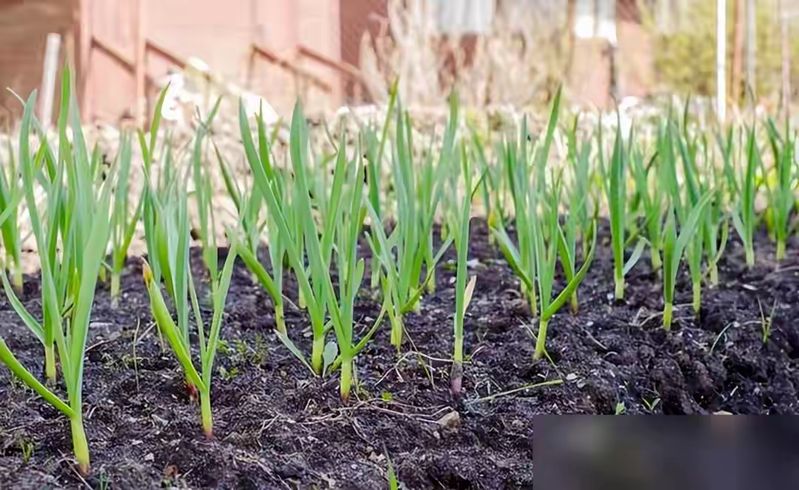
As long as the management of each stage is in place, the garlic is healthy, the disease is low, the pests are light, the garlic head is full and the acre is easy and easy。
Vii. Summarizing the advice, keeping in mind that it's so productive every year
Many old people have failed to grow garlic, not bad land or bad garlic, and most of them have made these four low-level mistakes: sprouts caused by pelt seeding, poor management and poor seedlings, years of disease and disease, and the use of nitrous fertilizers to grow garlic。
As long as we hold this “no” firmly, we can sell it at a good price, whether we keep it or sell it on the market。
I'll give you a piece of garlic:
Don't give me the garlic. It's good。
Garlic skin is not sprouts, it's fine in the depths。
It's not so much sick, it needs to be balanced。
The membrane is so cold that the garlic swells all over the fields。
When it's time to grow, it's time to plant the whole place. If you think this is a good garlic product, you're going to have to give it to your family and friends who are preparing it. In strict accordance with this method of seeding, families grow high-yield, high-quality garlic and harvest after autumn