Fertilizer applications for taro in greenhouse potatoes:
In mid-january, sea taro was prepared for fertilization in the shed, with 1,000 kg of curing organic fertilizer per acre and 20 kg of compound fat. It is 70-80 cm behind the ground, 40-50 cm wide and 25-30 cm deep. No disease, no wounds, full of 30 grams of taro. The gutter is torn to the ground, the top of the tarp is to be sprouted upwards, with about 3,000 plants per acre at a distance of 35 cm, water is to be planted, soil is 2-3 cm thick and plastic sheeting is to be covered. No ventilation until seedlings are produced; shed temperature is maintained during the day 28 ~ 30 and at night 15 ~ 18; after tree planting, shed temperature is maintained at 25 ~ 28 and at night above 15. Long-term fatting 3-4 times throughout the life of the sea taro. In general, 500 kg of rare manure per acre is used as seed fat when the seedling grows to 2-3 leafs。
When the seedling grows to five leaves and enters its infancy, 1,000 kilograms of manure and 100 kilograms of manure per acre of rotting manure and corroded bread are used as embryos, which are then used for less cultivation; and when the seedling grows to seven to eight leaves, when the underground tubers start to swell, it expands. Acre mixed fatty of 50 kg of ammonium carbonate 30 kg of grass-wood ash per acre is applied between two seedlings. After fertilization, a second soil tillage was carried out to level the ploughs to the ground. Water management should be strengthened and the fields kept wet during the flowering period. The third time before and after the heat, the earth was 15 ~ 20 cm high, creating 10 ~ 15 cm deep ploughs of the back, covering the slurry. In the medium-growth of the taro, sprayed block tubers 2 ~ 3 times. The main diseases of taro are diseases of disease and decomposition, which can be prevented by spraying 65 per cent of the dyssey zinc wet powder 500 ~ 600 times, or 75 per cent of the bacterial wet powder 600 times. Insects are mainly red spiders, slashed night moths, soy moths, etc. It can be controlled through appropriate pesticides。
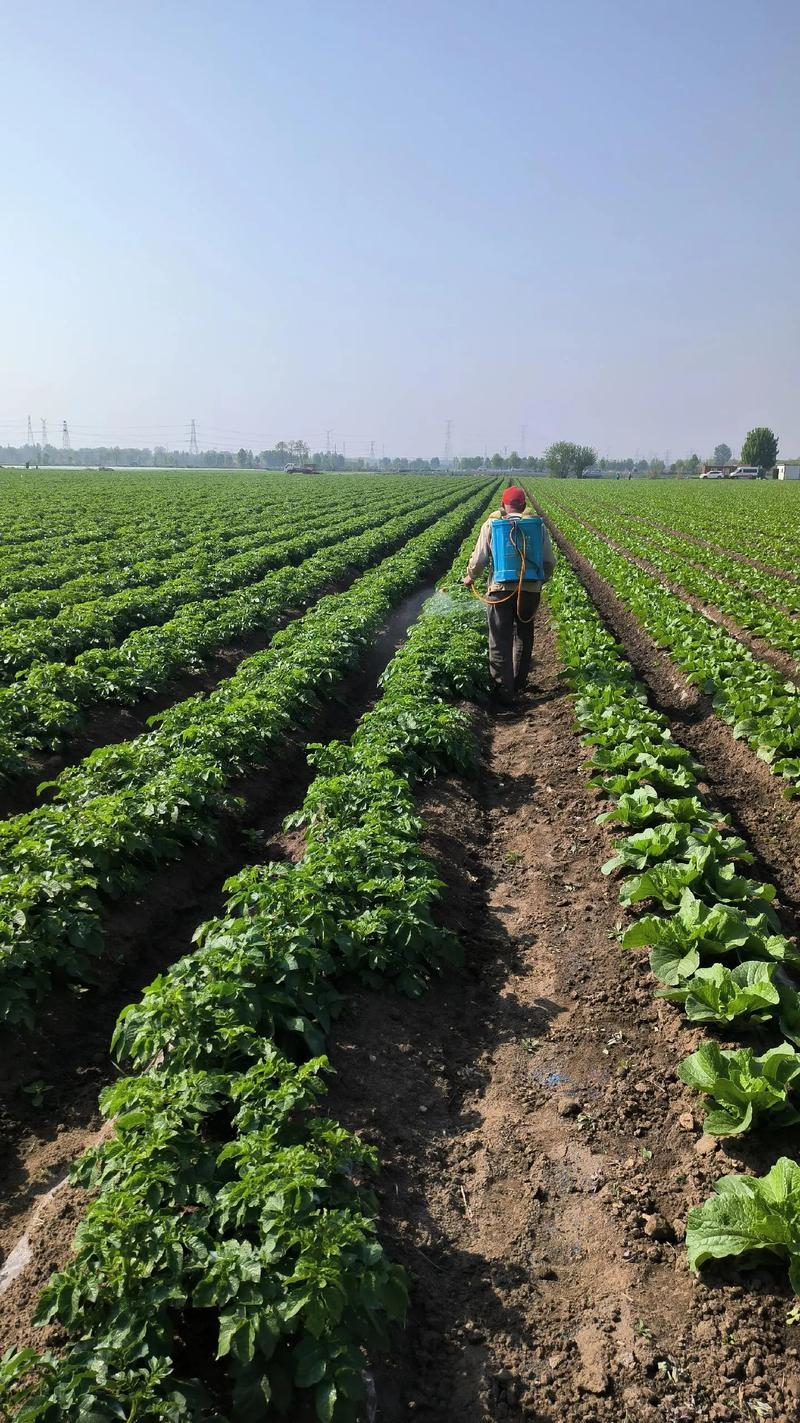
A variety such as potato letter 4 was selected. After planting late in january, a 10-cm-deep planting ditch was opened on the back of the field. Potatoes require a large amount of fertilizer, especially potassium phosphorus. So you have to apply base fat, 1,000 kilos per acre. Chewing chips, about 25 g each, taking 1 ~ 2 buds. At a distance of 20 centimetres, potato chips are placed in sown ditches with a high concentration of 45 per cent of compound fertilizer per acre. Note that fertilizers are separated from seeds and then covered with plastic film. It is produced in time for membrane to be released and fertilized early at 7. 5 kg urea per acre. In the early stages of potato formation, 10 kg of urea per acre was used as a fertilizer for the expansion of potatoes, while the soil was humid during potato formation. Potato disease is mainly related to delayed and viral diseases, while pests are mainly associated with ladybugs and care is taken to combat them in a timely manner. When the potato chips mature, they are harvested in time to ensure that the field is radiant and that the leaves on the potato floor remain in the field as green fat。