The full text is 2035 words and is read in approximately 4 minutes。
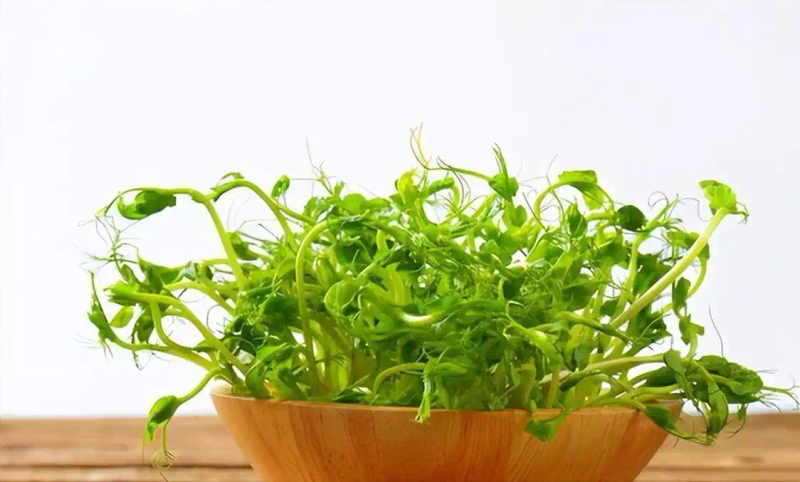
Sprouts, commonly known as bean sprouts, are available all seasons, often at the table. In recent years, the growing technology of the shed has made the seedlings more attractive. The dish is nutritious, unpolluted, clean, and popular. It is to the benefit of interested people to share with you here today the skills and care to grow sprouts。
01
The method of seeding
There are two ways to sow seedlings, one being soilless cultivation. This is done without soil and with specialized equipment. Put membrane in a tub, like a warm and cozy bed linen for sprouts. Then, some nutrients were sprayed on the membranes, like glycerine on the sprouts. The seeds were then spread over the membranes and watered lightly with pots. Be careful not to pour too much, otherwise sprouts will rot or stink because of excessive moisture. The sprouts are watered at intervals and see if they are sprouts。
Two is earth-planting. This law is used in greenhouse sheds. Before seeding, the soil environment is examined and the irrigation is disinfected. Treated seeds will then be seeded and regularly watered for growth and development. In the case of soilless cultivation, see the seeding method below
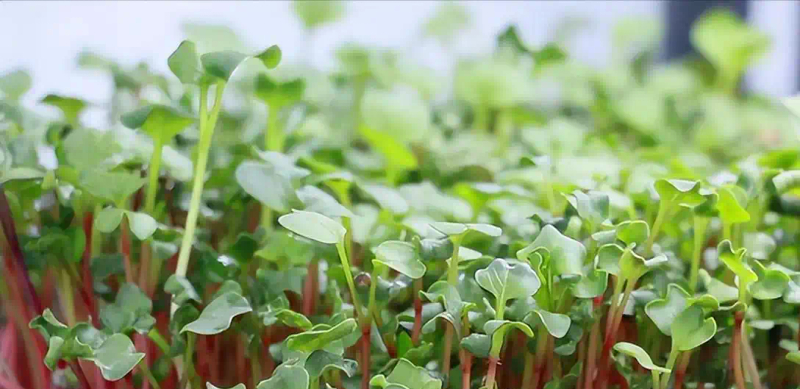
The size of the vessel is important for sprouts, not too big or too small. Filters, plastic sprouts, foam boxes, etc. Are available. But remember, there's a small hole in the bottom of the vessel, like a breathing hole, that allows water and air to flow。
The seeds of sprouts are of production quality and must be selected carefully. Priority is given to the use of a full, complete and non-defective species, and to the timely removal of the scartle-dry, empty and ill. To avoid being affected by the process。
Before growing sprouts, you need to take an important step towards sterilizing seeds. This is in order to ensure that seeds are successfully fertilized and protected from bacteria. You can use some disinfectant or warm water to sow seeds for about half an hour. This can kill harmful microorganisms attached to the surface of seeds and increase their capacity to absorb moisture and nutrition。
Cultivation is done before seeding; it is easy to wash the plate with water and then wet it with bleach or lime water. This will eliminate impurities such as bacteria and dust on the incubator. It is then prepared to sow with fresh water by flushing the incubator and laying a layer of sand and a layer of clean paper on the bottom。
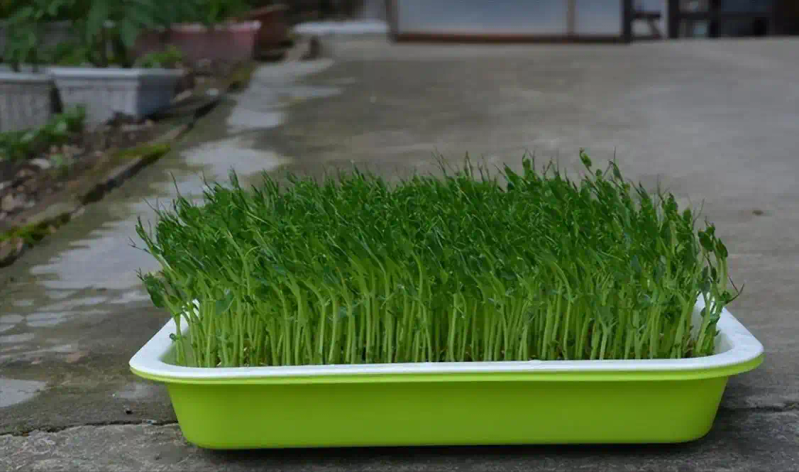
A layer of soil, approximately 2 cm thick, is laid in the sapling. The seeds are then spread evenly on the soil, not too dense or too thin. Different types of sprouts require different quantities of seeds. For example, carrots require about 70 grams, peanuts about 250 grams and peas about 500 grams. After the seed has been distributed, the seed is covered with a layer of soil that is not more than 2 cm thick, otherwise it will affect the seed's growth。
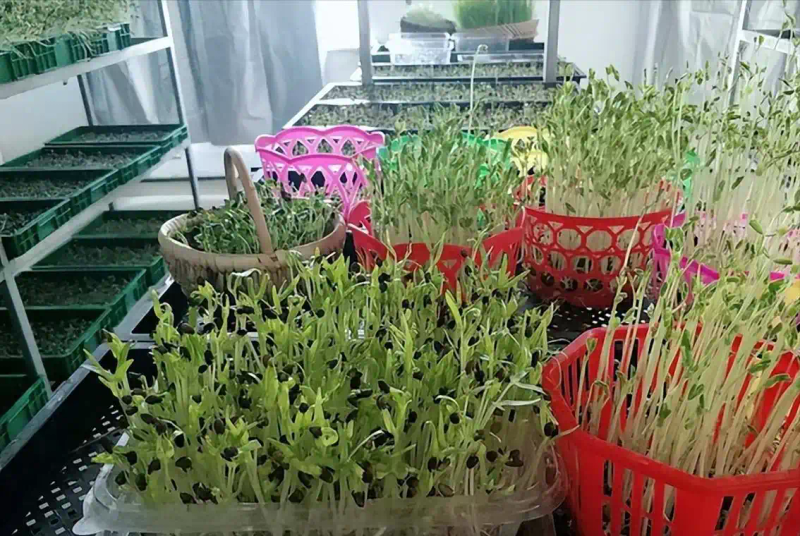
Finally, the culture plate is sprouts in a well-ventilated place, preferably with a light slash. The seedling temperature is controlled at about 25°c. The growth of seedlings can be further enhanced by the application of 1/1000 times more solution or nutrients in seedling eco-polymies。
02
Post-plant management techniques
The sprouts grow fast enough to collect one in a week, so they are carefully preserved。
Water supply for seedling nutrients
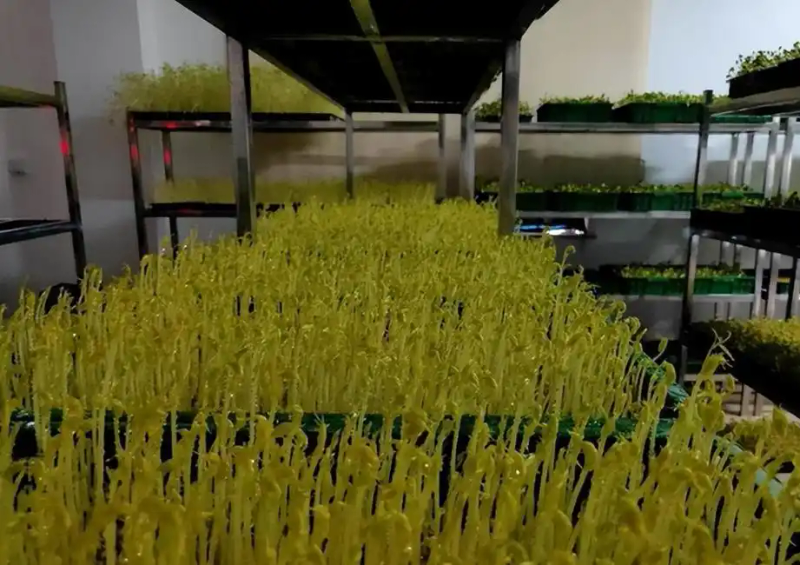
When seed is spilled, in three to five days a small green bud can be seen drilling out of the ground, as cute as a baby whose eyes have just opened. In a week or so, we can harvest fresh and delicious sprouts. At this point, care must be taken to give them enough sunlight and moisture to spray them with some nutrients early in the morning and late in the morning, but not so much that the roots will rot。
2. Pest management
You have to be disease-proof and insect-proof to grow anything. If you choose soil to plant seedlings, you also need to pay attention to the problem of soil disinfection. Because there may be many pathogens and eggs in the soil that are harmful to sprouts, if they are not removed in a timely manner, the growth of sprouts can be impeded or die of atrophy. Therefore, soil should be organized and disinfected before seeding. There are many ways of decontaminating soils, such as high-temperature steam, chemical agents or sunlight。
3. Harvest management
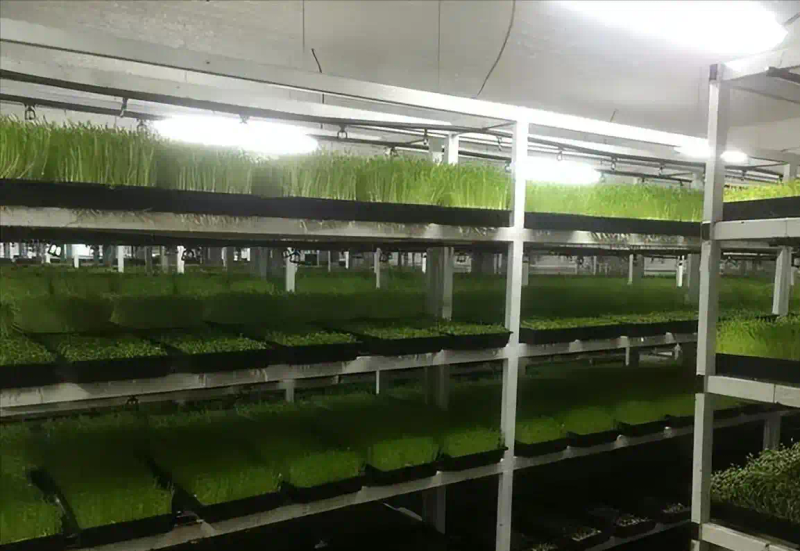
Picking sprouts must be timed, not sooner or later. Early production has been affected and the lateness has worsened. It is best to pick it around a week after seeding, when the sprouts are right, tender and soft, smelly and green and yellow, without delaying the growth and production of the next sprouts。
03
Sprouts cultivation attention
The sprouts are a little miracle of life. They drill out of the seeds, spread green leaves and smile into the sun. Despite their small size, they are rich in nutrients and fresh scents. They are delicious food for a healthy life and warm food for the comfort of the heart. It's not hard to grow such a lovely sprouts at home. A few simple and important steps can make you a successful farmer。
Seed selection: seeds are fundamental to budding and are key determinants of quality and yield. Seeds must therefore be carefully selected, with high-quality seeds that are resistant to disease, full of imperfections and intact. And the rotten seed of the dry worms, and of the colourless, and of the broken, shall be cast away without mercy。
Planting: the seedlings are the most important home in the growth of sprouts and are important factors affecting growth speed and health. It is therefore important to maintain an appropriate warm and wet environment when using the nursery, so that the nursery is wet without water and is located in areas that are radiant, but not in the sun. This is how the sprouts grow healthy。
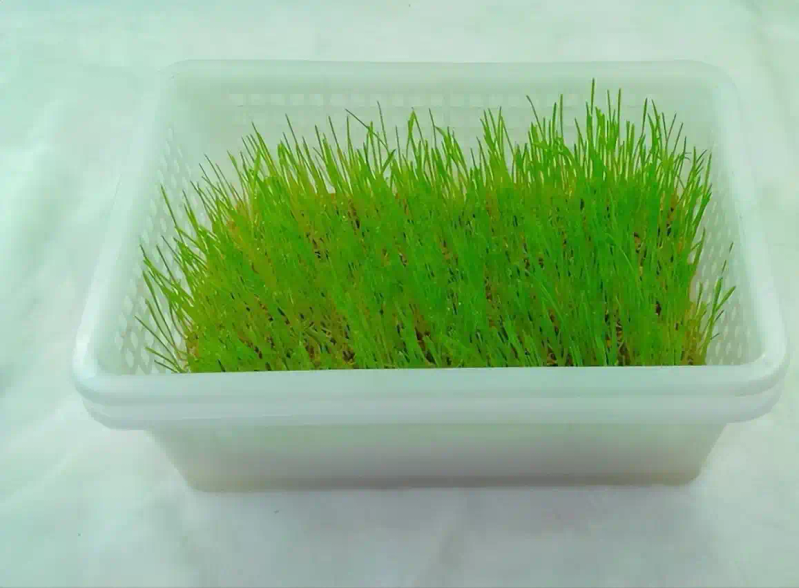
The timing of harvests is the moment when budding offers the best taste and nutritional value, as well as the moment of your love and sense of responsibility for budding. Therefore, it is important to be careful to harvest in a timely and moderate manner at the time of harvest, and to do so when the seedling grows to about 10 centimetres and about 7 to 10 days。
Concluding remarks: it is not difficult to produce high-quality sprouts. The food and health of sprouts can be enjoyed by themselves and their families, provided that they are properly trained in the selection of seeds, oxidation, disinfection, etc., and care is taken to provide adequate moisture and nutrients, as well as timely pest control and harvesting management. In today's era of transgenic vegetables and pesticides, we should value such simple and pure food. Let's feel the fresh and sweet taste of budding