


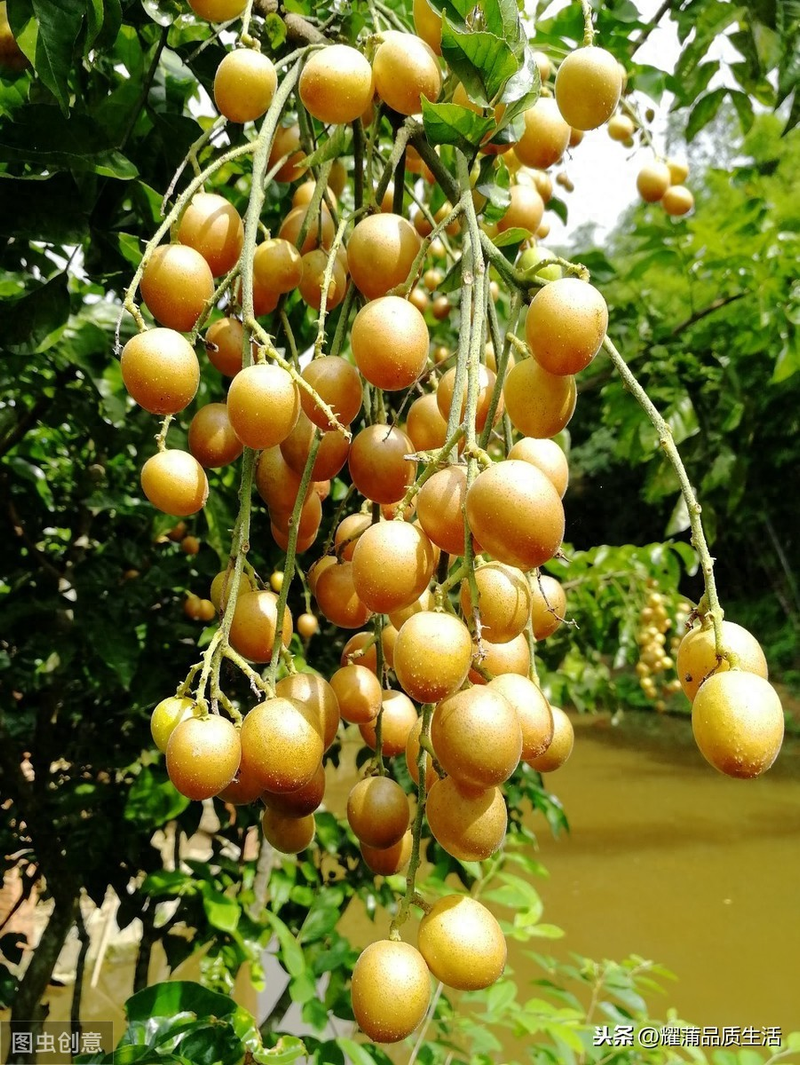
Yellow leather cultivation
The yellow leather plant is small, warm and wet。
Good, loose, fertile, humid land, sandy and gravel plots are planted in selected areas, on slopes, by ponds and behind houses, but with no respect for water accumulation on the plantations and the sticky slabs of the soil. The average annual temperature is above 20°c and the average in january is above 12°c。
Yellow platinum is planted with a bare seedling or a container. When the seedling is naked, the tree is filled with sufficient water one to two days before the seeding takes place so that it does not break up easily and so easily. When the seedling rises, it digs deep from both sides of the seedling to the end of the main root, maintaining 25-30 cm and 15-25 cm. The long roots are to be cut off, while a third of the leaves and the young branches are to be cut, and the seedlings are to be ploughed with thin mud. Each of the 25 or 50 plants is one bundle, and the roots are wrapped together with straw, sacks or plastic sheeting, etc., and are to be transported. In the case of a container seedling, the container and earth column are kept intact and may be shipped directly. If the packaging is severely damaged and the earth column is intact, it may be re-loaded and bound in the same packaging; if the earth column is damaged, it shall be treated with a bare seedling. The seedlings are transported according to different varieties and levels, and are transported in a manner that prevents sun and rain and ensures ventilation. When seedlings reach their destination, they are placed in the shade and planted or faked at the earliest possible time. In cases where planting or fake planting is not possible for a short period of time, seedlings may be placed in the cavity, with attention to water and humidity。
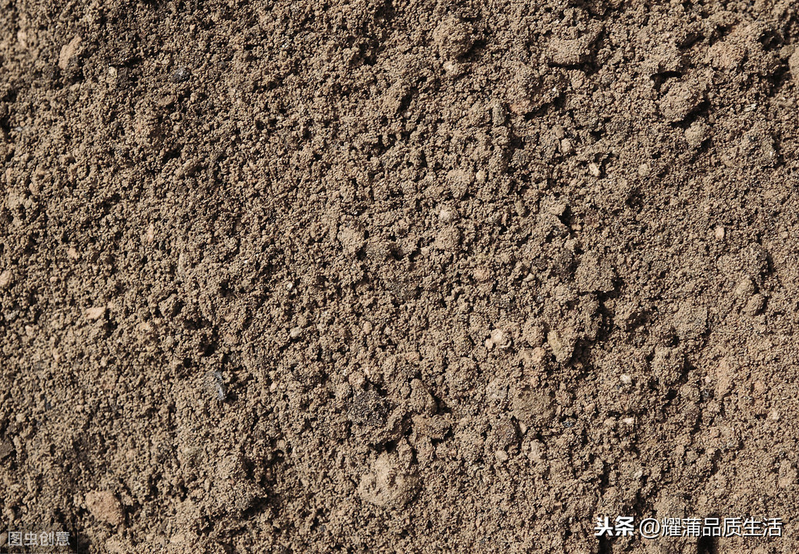
Soil management
Land, fertilizer, water management
Soil
Small larvae canopy, with large strains and space between rows, short-term crops, such as pineapple, watermelon, melons or beans, and vegetables, can both increase early yields and optimize the landscape, cover the ground, reduce extreme changes in soil temperature and humidity and mitigate adverse effects on yellow root systems. The return of intercrops to the soil can increase soil nutrients and increase soil fertility. Even at the beginning of the season, more venom-resistant crops can be grown between them, but they must be harvested before winter so that they do not fertilize and soak
Water affects the separation of yellow-skin buds。
The deep conversion of the hills and hills orchard, which began in the second year after its planting, takes place every year after the autumn and winter fall have turned green. Under the canopy drip line, a gutter is dug, organic fertilizer is applied to the soil and the site is rotated every year, with a view to completing all the rehabilitation within two to three years。
Peasants and orchards with high groundwater cover are used to thicken the crop floors, once a year. Crops such as soybeans between orchard lines can be used as earth-crushed green material and can be covered by tree dishes。
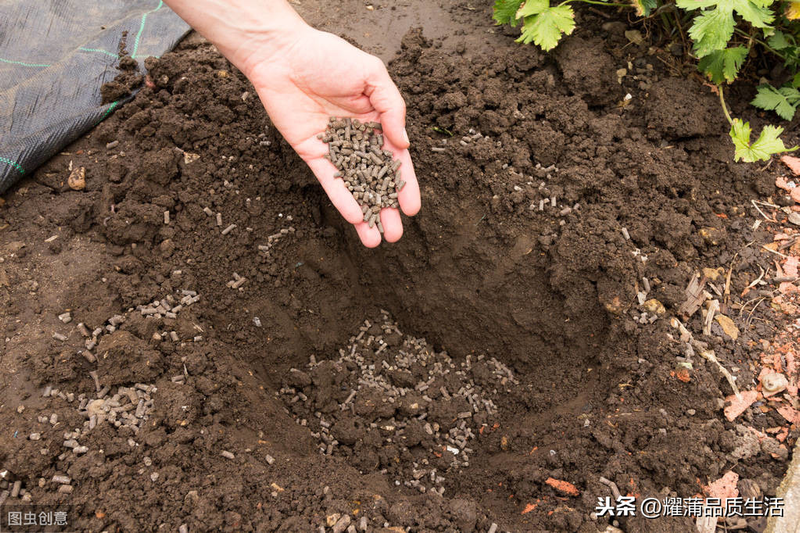
The fruit tree fertilizes
Fertilizing
The larvae are fertilized and practiced, mainly by nitrogen, with phosphorus, potassium and magnesium. Before each dot, and once during the turn-green period, fattening is applied in order to boost growth and build up。
As a result, trees are fertilized three times a year. The first was before and after the cold, with a combination of delayed and fast-effect fertilizer, with a ratio of 1. 0:0:0:0. 8 for nitrogen, phosphorus and potassium, which is about 25 per cent of the year; the second was fertilized with fruit, which is applied before the twig, which is about 30 per cent of the year; and the third was fertilized with fertilizer, which is about 45 per cent of the year。
The water is shallow and aerobic, not resistant to drought, and is not subject to poor ventilation and gardening, so it is important to keep in mind the drainage of the rainy season and to prevent the planting of water, while keeping it wet, and to shower and water during drought. After harvesting the fruits, attention is paid to irrigation and drought preparedness in the early autumn。
Intracting the seedlings and planting them into work, they are either heart-drived or short-drived at 40-50 cm in the main, facilitating the growth of the buds under the mouth. When the main branch is ripe, it is taken care of at 15-20 cm or short, so as to promote the growth of the lumbers under the cutting, and to select two to three strong and well-distributed branches on each branch, to form a secondary branch and to develop three and four branches in the same way. As a result, tree trims are carried out mainly after the fruit has been harvested and two of them are left at the base of the fruit branch in order to promote healthy autumns and to cultivate good outcome branches. As a result, the shen harvests without shears, and only the whole of her ears. At the end of the harvest, the dead branch, the insect branch and the permafrost branch were cut off, and the short cutter was long enough to form a radiant umbrella crown。
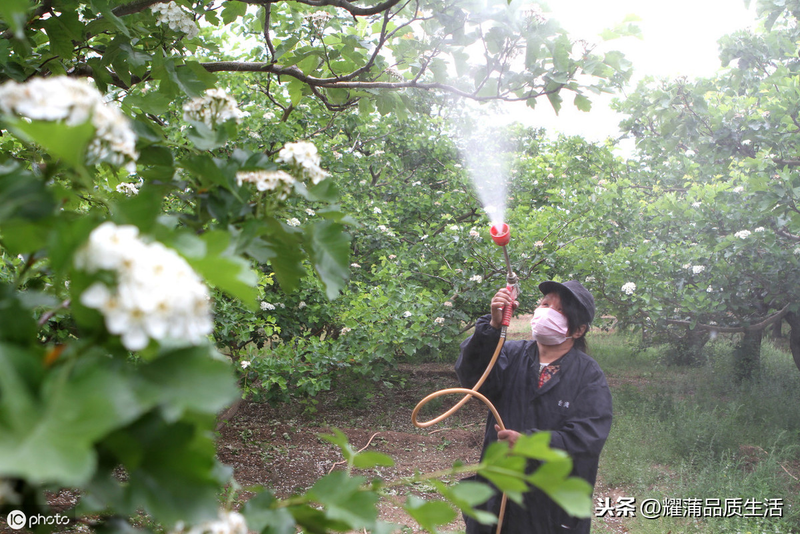
Flower fruit management
Flower fruit management
(c) the removal of leafless and weak branches from the backbone and the reduction of nutrient consumption. Since yellow skin is easy to grow, has a large amount of flowers and consumes a large quantity of nutrients in trees, care is taken to remove leafless and weak branches from the backbone and reduce nutrient consumption。
When the small leaves of the flowers are removed, the poorly developed sides of the base of the flowers are removed, and the middle two to three sides are preserved and cut short, so that the ears are moderate in size and even in fruit。
In order to promote equitable development and improve the quality of fruit grains, they should be combined in late may with small, permutated, deformative, fibrosis and insects. It is desirable that the fruit be delivered in the middle of the sun, and that it not be lost in the rain。
The application of 50 ml/kg cactin solution during the flowering period and one more application in half a month will increase the sitting rate。
Extra fatting is sprayed on the leaves during flowering and fertilizers, and benefits the fruits and yields。
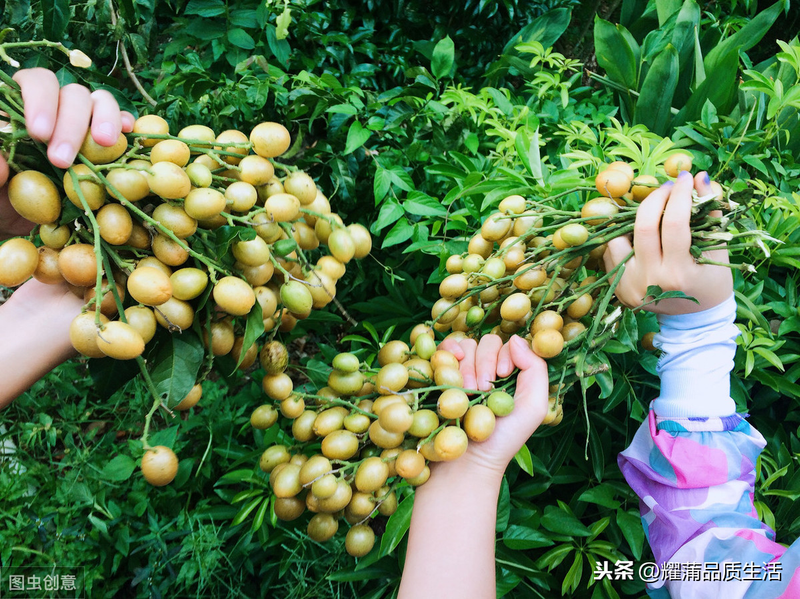
Yellow fruit
Collection
The period of maturation varies according to the variety, the place of cultivation and the climate of the year. Early-literate varieties from the guangdong province during normal years began to mature in mid-june and late in the second half of july and late in early august。
Pick-up period
The harvest period is divided between early and late depending on the use of yellow leather. For fresh fruit supply markets or processed fruit juices, they must be harvested at a time when the fruit is fully developed, coloured, windy and mature at more than 95 per cent; or for processed fruit or fresh fruit markets in the field, they can be harvested at a time when the maturity is about 85 per cent. In addition, the onset of maturity coincides with the typhoon season, where wind damage often takes a heavy toll, with early harvesting and recovery required to reduce the losses of wind and post-rainstorm fissures。
Owing to the thin yellow skin and the soft and juicy nature of the skin, which makes it extremely fragile, harvesting is conducted lightly, lightly and lightly to avoid mechanical damage. The packaging for the fruit shall be small and solid, and paper cushions shall be used around and at the bottom of the bamboo container。
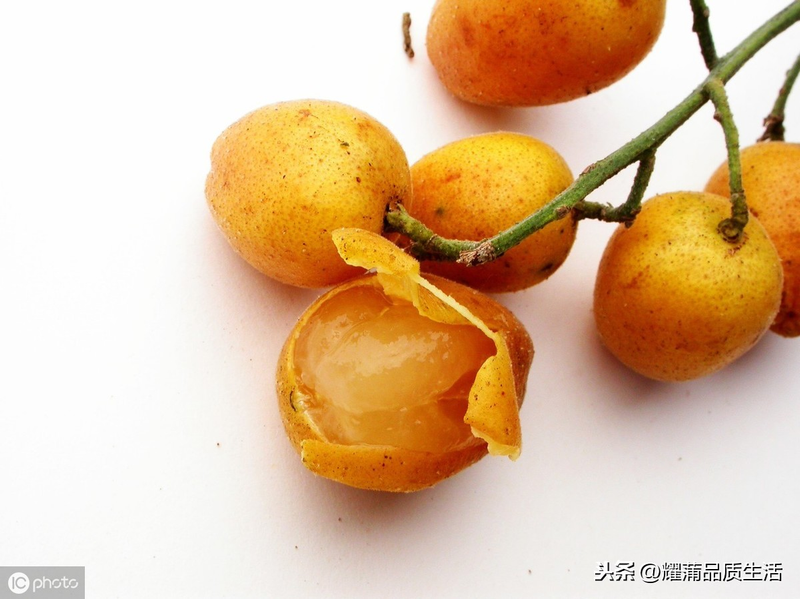
Pie
Food
The selection of yellow fruit begins in the following ways. See shape: choose round or chicken heart fruit, juicy and sweet; elliptical fruit is sweet with sour in its mouth and many seeds. Look at the colours: mature yellow-skinned yellow to brown, fresh branches. Look at the skin: the skin is intact, there is no mechanical damage, and the fruit mass of the skin is superior。
After harvesting, if it is not properly stored, the taste changes, or even changes, after two or three days, and can be stored in a freezer by packaging the fruit with foam paper. It is important to note that, in storage, the broken fruit is first picked out, with care to be taken lightly。
In order to ensure that yellow fruit is protected from pests, farmers spray pesticides, so it is important to clean it before eating. First, the yellow fruit is washed repeatedly with liquid water, then immersed in light salt water or rice water for about five minutes, soaked with light hand wash, and then washed again with fresh water. Before eating, it is important to clean up so as not to cause poisoning。
Yellow fruit is a cool fruit which is not suitable for consumption by populations with cold stomachs or bodies. In addition, yellow fruit can be digestive and feed directly, as can fruit sauce. When eating yellow fruit, it is desirable to eat together with the seed of fruit belts, so that, although it tastes bitter, it burns, treats indigestion, etc. Squeezing yellow-skined fruit into cold water and drinking a drink of this kind in hot summers not only makes the summer dry, but also makes it dry and dry。
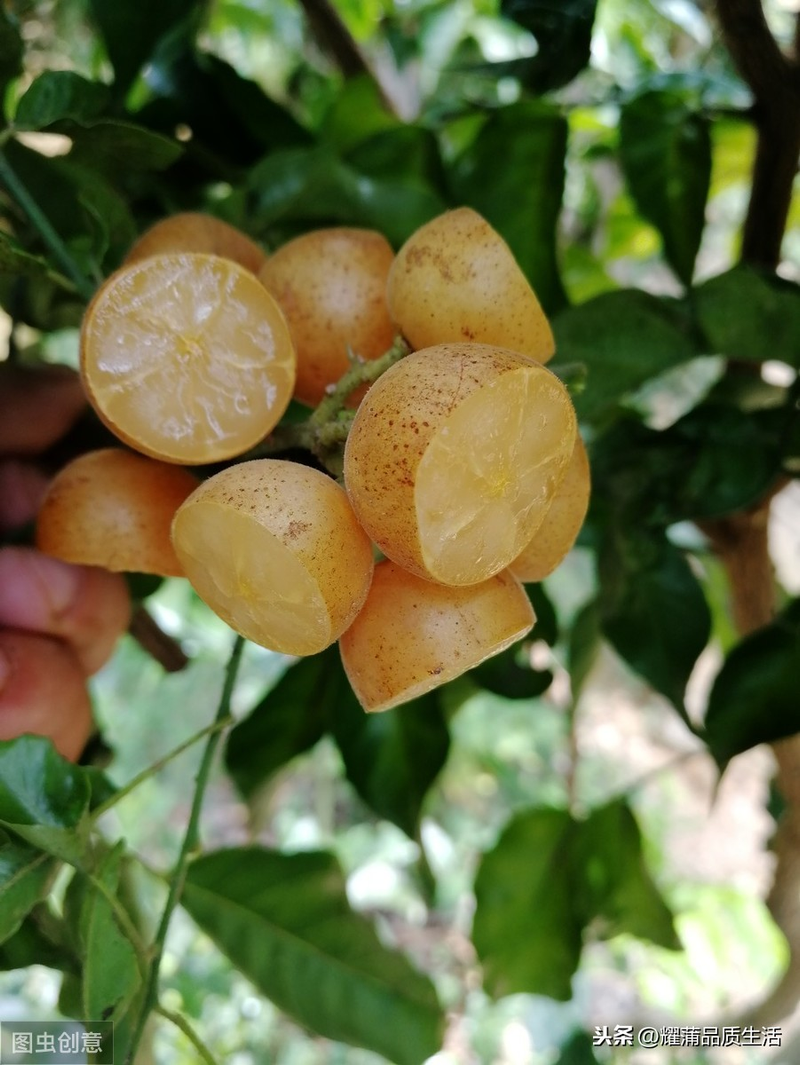
Yellow leather cultivation



