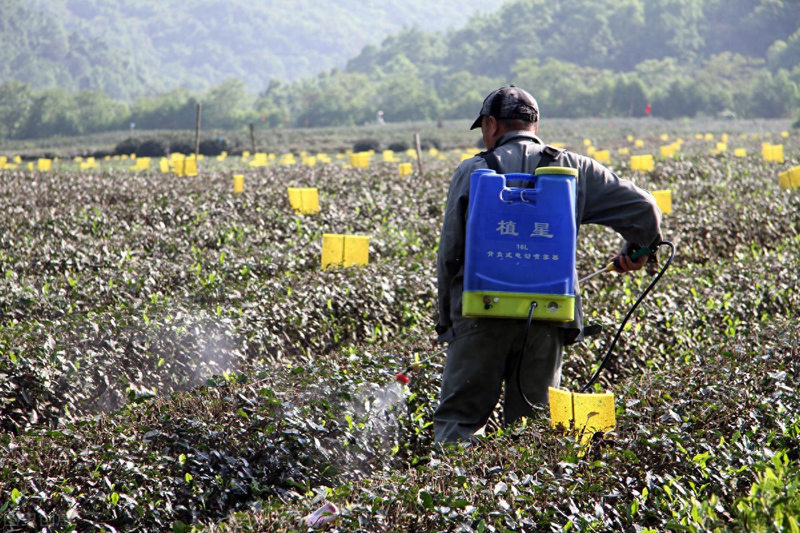
For most farmers and even consumers, the first reference to pest control is to pesticides。
Pesticide control of pest and grass is chemically controlled, and it is effective, efficient and cost-effective, but it poses problems of resistance, even environmental pollution, and agricultural product quality problems can arise from inappropriate use。
So the question is, is there any other way to prevent it than chemical control
Of course there is. That's green control。
What's green
Green control means actively protecting the use of natural predators, worsening the living conditions of the pests, improving crop resistance, using chemical pesticides rationally when necessary, and minimizing the loss of pest hazards, based on agricultural control, based on the whole range of agricultural ecosystems。
The green control of pests and diseases is aimed at promoting the safe production of crops, reducing the use of chemical pesticides, using environmentally friendly measures such as ecological control, biological control, physical control and scientific medicine to control the effective behaviour of harmful organisms. The implementation of green control is a major initiative to implement “public plant protection, green plant protection” and is an effective way to develop modern agriculture, building “resource conservation, environment friendly” two types of agriculture, and promoting the safety of agricultural production, the quality of agricultural products, agroecological safety and the safety of agricultural trade。
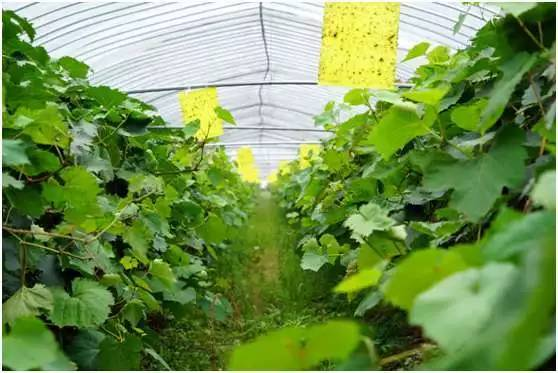
In order to strengthen green control of grape disease pests, the national priority research and development programme - efficacy technology for efficacy control and control of grapes pests and pest management - pest solutions - was developed for a wide range of grape growers。
What are the main vermins of tullupine
Arboridia kakogawana matsumura (formerly named erythro)Neura apicalis (nawa), protaetia (liocola) brevitarsis, grape moth, etc。
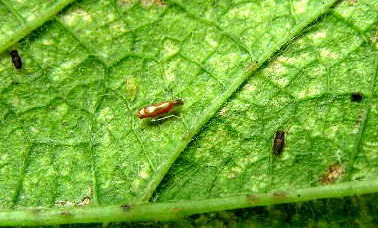
The grapes, the leaves
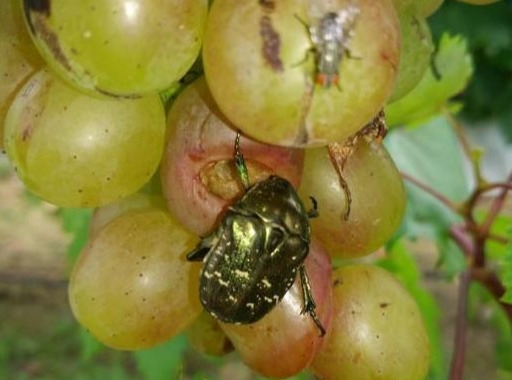
White star golden turtle
What is the principle of prevention
Using the “preventive, source-control, integrated management” as the norm, the main pests are characterized by a strong commitment to both prevention and treatment and community management; attention is paid to the clean-up of gardens and to the control of gardens; scientific control is aimed at reducing inputs; and the number of medications is reduced and the basic requirements for protecting the ecological environment are protected。
Develop holistic solutions based on measures such as agricultural control, biopesticides and new, highly effective, low-toxic chemical pesticides to effectively control pests and reduce the number of chemical pesticides applied; reduce pesticide use by increasing pesticide utilization through multipliers; and ultimately achieve green control and reduction of pesticide use for grape pests。
What are the responses
First, agriculture
Strengthening cultivation management:
More decomposition of organic fertilizers, appropriate increases in the application of potassium phosphorus, increased tree orientation and increased resistance. Water and weeding are done in a timely manner, and precipitous, chicken-weeding, heart-lifting and weeding are done in a timely manner. The load is reasonably controlled according to the variety characteristics of the different ecological areas. Burials and on-boards shall be carried out in a manner that prevents the injury of the branches。
Clean field environment:
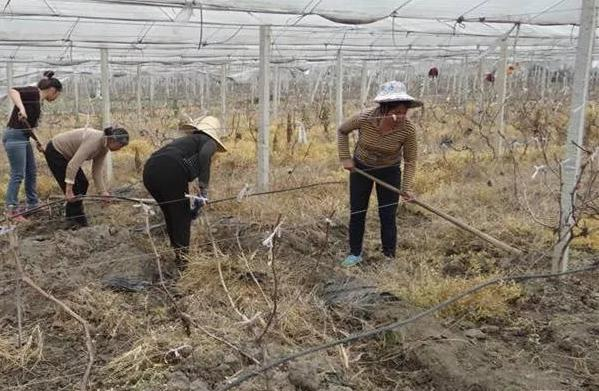
The burning of dead branches and the spraying of thiomers before the burial of grapes reduces the winter base of pests。
Green control and pesticide reduction solutions for grape pests:
There are three key links in the control of raisin, namely, early spring and winter insect control, generation insect control, fall in winter insect control, combined with cedar baiting and chemical control。
The main technical measure is the management of animal waste sources。
Check the cds
Integrated solution for green control and reduction of pesticides for grape pests
Early march-early april
Methods of response:
1 to centralize the disposal of organic waste such as excreta, straw, chickens, etc., in animal and poultry farming areas, villages and areas around vineyards, and to prevent and control the gold turtles of the white star。
Early in 23, sunflowers and sweet corn were planted around the vineyards to trap the golden turtle of the white star。
Note:
1 directly composted fermentation and organic fertilizers。
2. Establishment of organic waste treatment centres for the biotransformation of white starfish gold turtles using faeces, straws and chickens。
In late april and mid-may, grapes were born long
Methods of response:
1 the cedar (24 cm x 20 cm) will be hanged 10 cm on the inside of the vine, in the direction parallel to the barbed wire, at the height of the top of the shed, at 20/667 m2. Monitoring and combating winter worms。
Twenty-four per cent of the soluble powder of the aphids is a 1,500-fold agent for the control of raisins in winter。
Note:
The cedar trap continued until the grape harvest。
In late may and early june, the raisins were growing. Period
Methods of response:
25% aphid suspension 3,000 times, 22% aphthalmamine suspension 5,000 times, or 1% methamide aphrodisiac phenate microemulsors were selected for the treatment of a generation of grape scavengers. Combining with the efficiency agent j and j could reduce pesticide use by 30 to 40 per cent。
Note:
After three days of the second 920, you can spray
In late june-early august, the raisins matured. Period
Methods of response:
The method of seduction of a white star's gold turtle before grapes mature:
1 watermelon bait trap: cut the watermelon in half, left part of the watermelon, spread 2g 20% of the amphibian soluble agent, at the top of the cement pole around the orchard or at an open area near the fruit tree, 20 666 m2。
2 boosting sugar vinegar: insects begin to grow throughout the life of the crop and are attached to a flask of sugar vinegar at a distance of 1 m - 1. 5 m from the ground around the crop and orchard, 20 ~ 30/666 m2。
Before the grapes mature, they trap white starfish tortoise insects:
A watermelon and melon have a better seduction effect with cow dung, reducing the damage to the grapes from white starfish gold turtles。
A 2-barrel trapper, a gold tortoise。
3 when sunflower blooms and corn snorting seasons attract white starfish gold turtles。
Note:
1 the method of making a trap bottle is to cut the mineral water bottle from the centre, symmetrically punch two holes at the cut, with a wire or line in it, and place in the bottle some 300 ml sugar and vinegar formulations: sugar: rice vinegar: wine: water: 3. 4:1:2。
2 guacamole + cow dung body: calved cow manure with a length, width and height of 0. 5 m x 0. 5 m x 0. 3 m with a water content of 55% + 5%, with 2 kg of watermelon or melon dropped above。
Three barrels of trap: one for rain cover, one for fire pan connection, one for insect drums and one fortified chip。
Late june to mid-july, maturity
Methods of response:
Biopesticide 0. 3 per cent of phenol ec oil 500 times the fluid, 5 per cent of natural pyrethroid ec 800 times the ~ 1,200 times the fluid or 2. 5 per cent of more than 1300 times the liquid spray of the fungicide to combat grape foliage。
Note:
Second generation, do some tablet therapy
In mid-october, the fall cut and buried. Front
Methods of response:
Spraying of 3 to 5-peripherous thiomers, including planting and flooring, and cleaning of vineyards to combat the winter infestation。
Whole solution for green protection against pesticide reduction for grape moths
March, when the grapes rise
Upon the opening of the grapes, the gardens (shaving skins to remove the vermin under the vine, cleaning the dead branches of the garden, falling fruit, weeds) have destroyed the living environment of the winter grasshoppers and have been equipped with traps, scavenging beetles for the fruit moths and booby-trapped winter worms。
April, the grapes period
Episodes of the first generation of larvae are removed during the flowering period in combination with vermin fruit, the base number of larvae is reduced, and 3% of the acetylene fluoride cream is sprayed with 1,500 times the fluid or 5% of the acetate dispersant to prevent the first generation of larvae, and trap traps, the special stalks of grape moths are monitored and entrapd。
May-june, grapefruit
The larvae is affected by the harmful effects of larvae-smelling larvae and by the presence of large amounts of dung; the timely removal of black rotting fruit from the dung and the concentration of deep burials to reduce the base number of second-generation larvae; and the spraying of 10 per cent of larvae emerald cream by 1,000 times or 5 per cent of avillium suspendants by 1,500 times or 35 per cent of vervain emerald emulsion by 1,000 times to combat second-generation larvae. It also hangs trappers, scavenging beetles and booby traps。
July-august, grape ripening
Grapes close to maturity, maturity and harvest period (from early july to the end of august) remove black and rotting fruit in a timely manner and concentrate on deep burial to eliminate larvae that harm the fruit; at the same time, four traps (or 60 sets/hm2) are used each acre to trap third and fourth generation insects。
September-october, after the grape harvest
After the grape harvest, secondary flowers and juvenile fruit from the grape shelf were completely removed from the mid-september to early october period, the floor was completely cleared of fallews, bad fruit, figs and dead branches of the ground, the fifth generation of larvae was cut off and the base number of winter insects was reduced。