


The country's citrus cultivation, which used to take place mainly in the form of joe, rare, late and low (i. E., beryllium, rare, late results, low yields). With advances in science and technology and the development of citrus production, planting methods (also known as planned dense or intensive cultivation) that are short, dense, early, rich (i. E., condensed, dense, early, productive) are widely used in production. However, short, dense, early and plentiful growth can not all succeed, but also fail. The key is to have the following technical aspects of plant management, not only of the difference between densities and shrunk plants。
I. Selection of suitable land
(1) soils selected for soil laxity, depth (at least 60-80 cm), organic abundance, micro-acidity and neutral soil. Poorly conditioned are improved soil fertilization and soil fertility. (ii) the terrain prevents the selection of low-lying areas to avoid freezing and flooding. " groundwater table requires 80 centimetres or more, less than 80 centimetres, to reduce the level of water due to open ditches or to be planted in deep trenches. (3) water shall be available in the land and subject to irrigation conditions。
Two, good varieties and wood
(1) varieties (goods) cultivated should be of high quality and productive. The varieties (classes) suitable for low-intensity planting include pre-maturity, sub-prefectures in the middle of wenzhou, such as turtle wells, katokawa, hingjin, shizuku and yuzhin, and cuisine, umbilical oranges, oranges and sweet oranges in hamlin. (2) the aluminum shall choose the aluminum, which is capable of condensation and early result. "there are a number of types, with small flowers being the worst. In addition, oranges, oranges and tacos can be used to make different oranges。
Iii. Cultivating a dwarfed seedling
It is appropriate to select short, strong and disease-free branches from the tree and to prohibit the use of branches that fail to reach the fruits of pregnancy and grow. The nurturing of condensed seedlings requires a large number of roots, strong branches, marriage interfaces up to a height of less than 25 centimetres, interfaces up to 10 centimetres, dry groups above 2 centimetres above marriage interfaces of more than 0. 8 centimetres in diameter, main branches of 3 to 5 branches, consistent and with the same level of requirements, primary roots are weak or non-existent (if they do not meet the requirements, they should be cut off, disciplining or mating measures, etc.), preferably with nutrient seedlings, which are grown with a strong, well-rounded, high survival rate and no delay。
Selection of suitable planting density
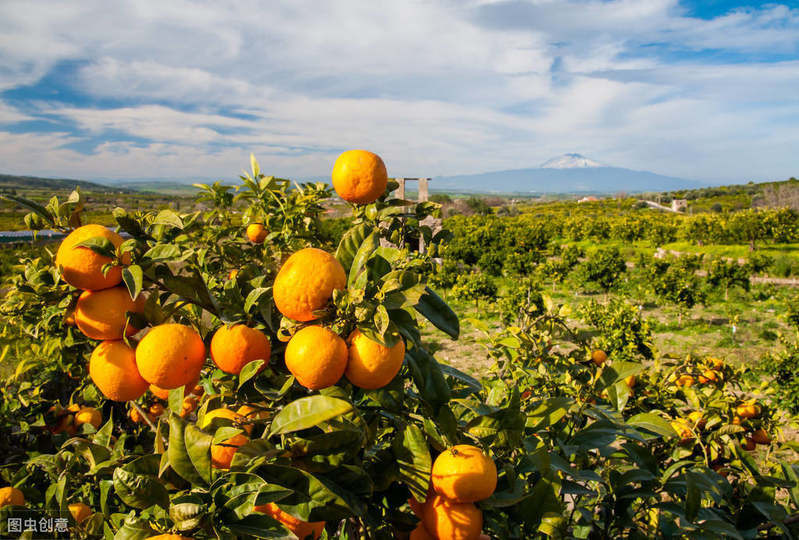
Enrichment, not as dense as possible, should vary according to species (classes), park conditions and climate, and the standard is to make oranges early, multi-result. Local experiments have concluded that low levels of groundwater, deep layers of soil and organic abundance can be cultivated in a dense and rare manner, and that, on the other hand, high levels of groundwater in the paddy or yogurt mountains are suitable for permanent planting. Currently, there is a higher density of 110 per acre and 220 or higher。
Five, the caves are big, thick and shallow
The roots will soon be full of orchards, which will make it difficult to make deep changes, and the growth of dense-planted groups will be multiplied, and the nutrients on which they depend will increase, so that they will be fattening. If the density is 220 or more per acre, it would be preferable to use trenches to grow, or even to flip the whole garden. At the time of cropping, the root systems were required to be of a multi-level and evenly distributed nature, and the main roots should be dealt with, with heavy ground and shallow cultivation, for the purpose of early and productive life。
Vi. Transition and technology management
(1) plastic
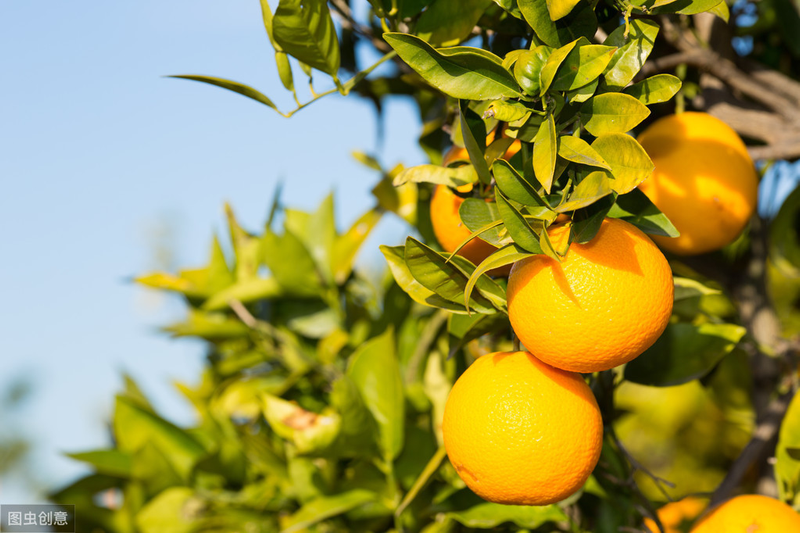
The larvae form is conducive to the formation of a full and compact canopy, with as many branches as possible to produce early results. The main school and the deputy branch must be fully equipped and evenly identified, and the basis for a good tree is laid in the nursery. Trees are more likely to be formed using support, pull and suspension techniques, supplemented by necessary cutting。
(2) minor management
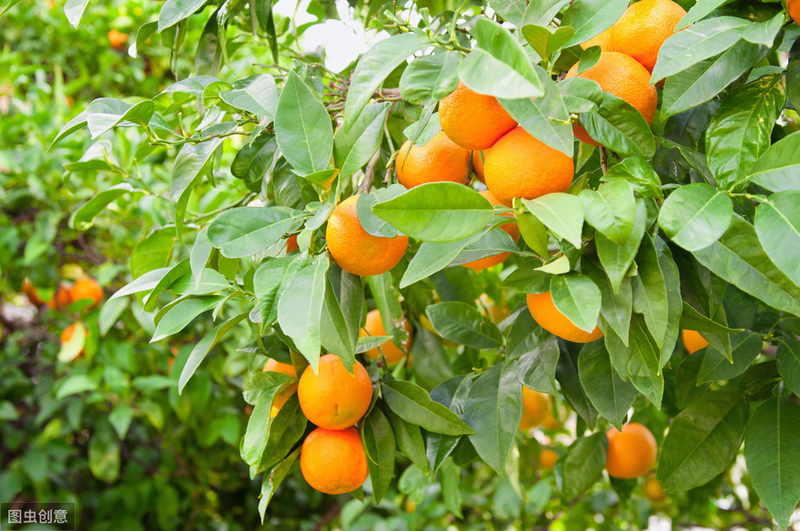
For 1 - 2-year seedlings, three - four times a year. • improved management of spring fertilizers and the stinging and grafting of the stings to enable them to be emptied; after 1-2 years of this treatment, it can produce a coronal of more than 1 metre, with a normally 200-300 strong parent branches in the plant and a productive year. In order to control the increase in tree crowns, the results should be followed by the elimination of summerfalls and fallows, with a view to increasing production over the years. The seedlings of the first result, without major trims, after a few years, continue to have the primary cut, keeping the necessary down branches, inner-bone branches, and short-term on the resulting branches。
Vii. Manure water management
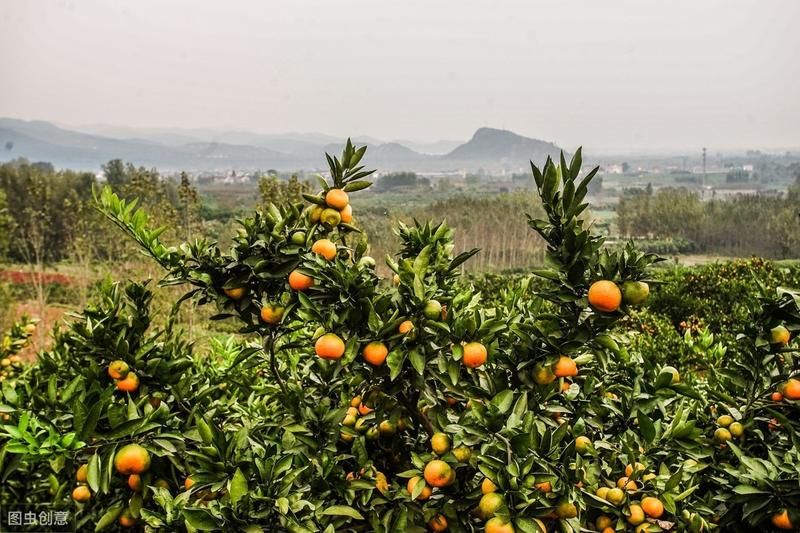
(1) soil management mountain orchards are concerned with soil and water conservation, and the ladders of the terracing orchards are suitable for the planting of ramp grass and the management of drains in order to avoid flooding and erosion. (ii) fertilizer management after delivery, the application of fertilizers should be controlled, with both head-to-heads retrieving and poaching) and intermediate supplementation (spring and fertilizer). It is mainly nitrogen-based, with appropriate increases in phosphorus, potassium-based fertilizer, 30 per cent of the year's total application, 40 per cent of the total after fertilization, 15 kg of human and animal dung for a 5-6-year-old plant, 0. 3-0. 5 kg for cakes, 150-200 g for urein and calcium perphosphate, about 30 per cent for spring sorghum and juvenile fruit, and 0. 3-0. 5 per cent urein plus 0. 2 per cent potassium phosphate for the spring sprouting and greening. (3) water management. Timely drainage is an important condition for the quality of citrus production, with a conditional orchard, low-head spraying and drip irrigation, with an expected increase of 15-20 per cent。
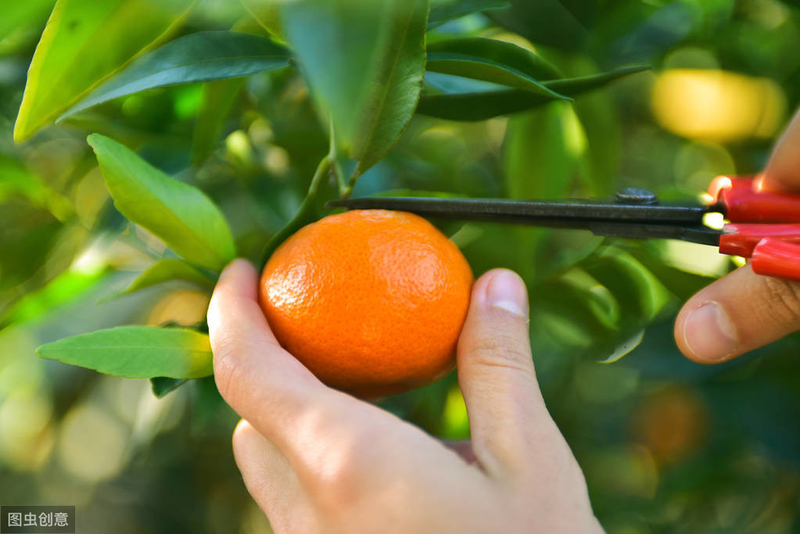
Viii. Poultry nuts
In order for citrus production to take place in a timely manner, some varieties, such as umbilical oranges and nectar in wenzhou, can be secured by microbusiness. In general, it is 0. 6 cm in vegetative fruit diameter, i. E. 90 per cent of the gravitation and a third pre-spill spray and an apology. The most effective hormones are cactinin and ot (produced by the hubei yichang county science and technology development centre). Concentration: 100 ppm for the first time (i. E. 90 per cent of the sheath), 50-100 ppm for the spray; and 15 kg for the oyster t. The second (i. E. Before the second physiogenic fallout) accumulin coating is used at 250 ppm, sprayed at 100 ppm, o-t2, with 7. 5 kg of water per small package, and can be sprayed or painted. In addition, the management of pests and diseases is largely the same as that of rare plants, which are the only ones that are prone to plagues and diseases, and should be more timely, correct and thoughtful. Insulated and closed, with the exception of fruit pressure and maximum control of tree crowns, it is feasible to cut (transfer) at a later stage in order to remain productive. In addition to the early results and early benefits of dense planting compared to rare cultivation, production and economic efficiency are high, with increases ranging from 50 to 100 per cent。



