


The intellectual property rights (ipr) system is an essential safeguard for stimulating innovation and plays an important bridging role in promoting the deeper integration of sti and industrial innovation. How can the construction of a strong intellectual property power be accelerated during the “155” period? How can innovation be promoted to translate into real productivity and to contribute to high-quality economic development
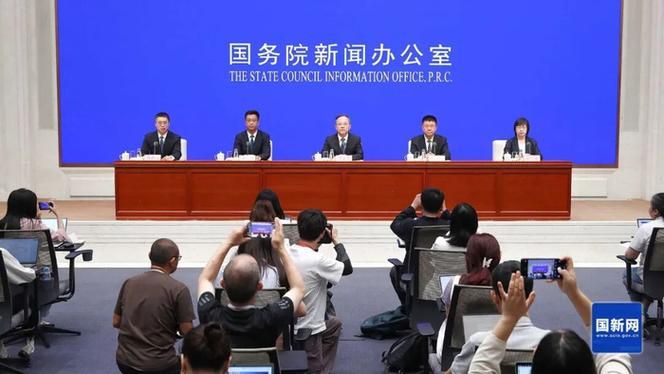
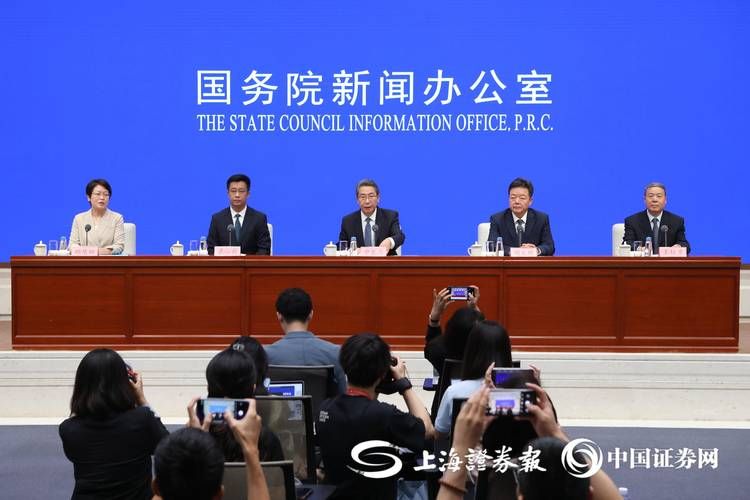
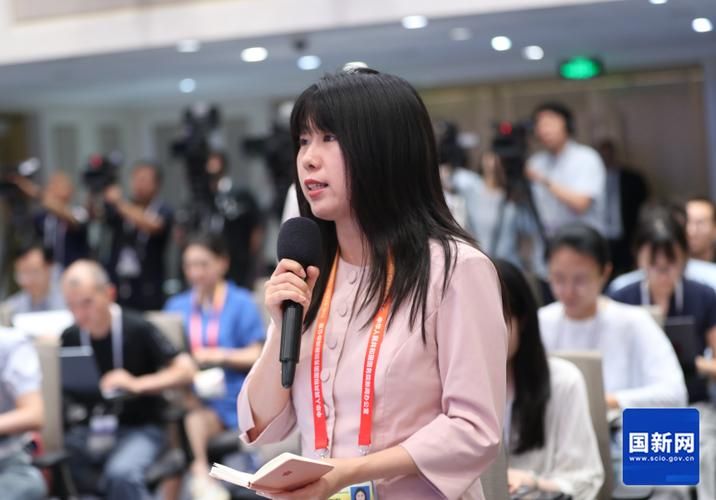
On 29 july, at a press conference on the theme “fifty-five” at the start of the process, the relevant head of the national intellectual property agency provided detailed information。
Building a network for intellectual property protection in emerging areas
At present, new industries such as artificial intelligence, quantum technology, a new generation of information technology, biomedicine and future industries, which are fast-moving technologies and cross-border business, impose new requirements for a sound intellectual property protection system。
The deputy director-general of the national intellectual property agency, ri wenzheng, presented the national intellectual property agency (inip) as a target mission for the two-way empowerment of intellectual property and artificial intelligence, carrying out in-depth research on theoretical and practical issues such as the patentability of artificial intelligence products, the subject of applications and the protection of objects, and expanding the application of large models of artificial intelligence in intellectual property。
The system of intellectual property protection in new and emerging areas has been constantly innovative, from the issuance of a patent application guide for artificial intelligence-related inventions to the introduction of a chapter on artificial intelligence, big data in patent review guides。
At present, 83 national intellectual property protection centres and 54 rapid defence centres have been set up. Guo quan, director of the intellectual property protection department of the national intellectual property agency, said that the industrial sphere of the centre for protection had covered all strategic and emerging industries, while expanding to future industries, achieving “the right to intellectual property protection wherever innovation moves forward”。
“in the next step, we will focus on the development practices of different industries in new and emerging areas, providing a more effective model of empowerment from the intellectual property rights perspective for development in new and emerging areas, defining clearer attribution of rights, scope of protection and forms of protection, and functioning a smoother system of coordinated protection and mechanisms for responding to violations.” according to rae wenchi。
Institutional incentives to generate more original results
Sichuan has allocated more than 400 patents to its electric vertical lift-off vehicle, which cumulatively obtains hundreds of orders at home and abroad; emerald's quantum technology company has received millions of dollars in financing through a pledge of patents on more than 10 core inventions... In a live case at the launch conference, the intellectual property system has served as a bridge between scientific and technological achievements and industrial chains。
“the intellectual property system, as an effective market mechanism, can effectively direct innovation, optimize resource allocation and improve innovation efficiency.” liu yi, director of the division of law and regulations of the national intellectual property agency, said。
By the end of june this year, the country had 2. 36 million patents on high-value inventions, 16. 8 patents on high-value inventions per 10,000 people, and a large number of high-value patents had been accumulated in 5gs, artificial intelligence, new energy vehicles, among others, creating favourable conditions for breaking critical technological bottlenecks and expanding industrial advantages。
“purpose is an important indicator of the level of innovation.” the director of the strategic planning department of the national intellectual property agency (inip) has recently introduced that the target of patenting high-value inventions per 10,000 population was set at more than 22 in the “155” period, an increase of more than six items over the end of the “145” period, leading to effective qualitative upgrading and reasonable quantitative growth, encouraging more landmark, original and subversive innovations。
Liu yi stated that the “fifty-five” period was a strategic opportunity for a new scientific and technological revolution and industrial transformation, which would further enhance the role of intellectual property rights, promote high-quality creation, strengthen patent information analysis, navigation, etc. Around priority areas, and foster more high-value patent and patent portfolios。
High-quality development of the open service economy
In the first half of this year, the number of pct international patent applications submitted by our applicants, the international application for the design of the hague system and the international registration of the madrid trade marks were among the world's highest. In the first five months, our exports of intellectual property rights (iprs) amounted to $45. 5 billion, an increase of 64. 9 per cent over the previous five months。
“intellectual property is the `common language' of global economic and trade cooperation.” newly stated that the work on intellectual property during the “fifty-five” period would insist on economic construction in order to effectively transform intellectual property rights “intangible assets” into “physical wealth” for high-quality economic development。
Accession to the hague agreement on the international registration of industrial design, helping “china design” to the world; continued promotion of co-operation on geographical identification between central europe, china and thailand, and china and france; active participation in negotiations on intellectual property issues under the world intellectual property organization, the world trade organization, etc. ... During the “1455” period, my country was deeply involved in global intellectual property governance and actively promoted systemic openness。
“we will continue to pursue the concept of open, cooperative and mutually beneficial win-win relations with international high-standard economic and trade rules, to study and participate in international rules and standard-setting on intellectual property rights in new and emerging fields, to continue to develop mechanisms for intellectual property protection that are compatible with international rules, to sign cooperation agreements on intellectual property rights with more countries and regions, and to contribute better to high-level, open-level economic development.” guo jin said. (journalist liu zhen)



