The chemical composition of different plants varies, and therefore the odours produced vary。
This is also a very interesting place in the oil world。
Ii. How is the oil extracted
Different plants have different structures, so the method of acquiring aromatic ingredients is not identical。
Distillation
Distillation is one of the more common methods in the production of refined oils。
Plant raw materials release volatile ingredients under conditions such as water vapour, which condensate and form the corresponding product。
Many flowers, leaves and woody oils are obtained in similar ways。
Cold pressure
One of the ways in which citrus oils are common is to squeeze。
Fruit peels of citrus fruits, such as oranges and lemons, contain rich aromatic elements, which are processed mechanically and can be used to obtain fine oil with typical citrus gas。
Other extraction methods
The aromatic composition of some plants is not suitable for simple distillation and other specialized techniques may be used。
It is important to note that products obtained by different extraction methods are not simply understood as “who is better”, but are specifically combined with the characteristics of the plant itself。
Why does a drop of oil smell so strong
This is due to the relative concentration of aromatic elements in fine oil。
The plants themselves, while odouring, are not the same as the fragrances we normally smell, the fragrances, their concentration and the aromatic composition of the oil。
After extraction, aromatic elements are concentrated in smaller volumes, so that oils usually smell more clearly。
It is also for this reason that oil is not suitable to be used at random in the sense of ordinary drinks or common skins。
“natural” does not mean that it can be used in unlimited quantities。
What difference does it make between oil and perfume
Many people mix oil and perfume。
In fact, the two are different types of products。
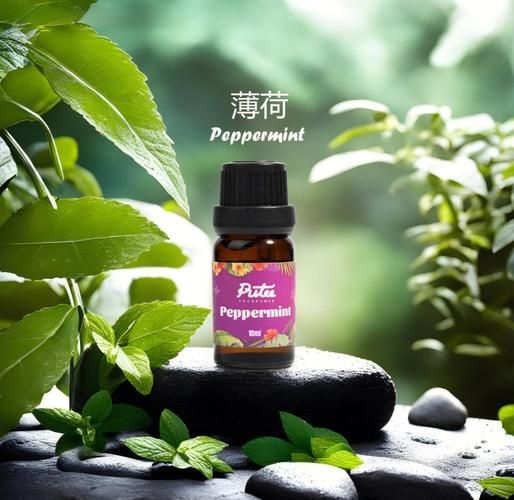
The main purpose of perfumes is usually to provide aroma experience and to create complete aroma structures through different spices and formulations。
Precision oils usually emphasize aromatic elements from plant sources。
In short:
The perfume is more concerned with fragrance and presentation
Precise oils place greater emphasis on the aromatic components of plants themselves。
Of course, the formulations of modern fragrance products are becoming more abundant, and there may also be some overlap in the use scene。
But from the point of view of the product, it cannot simply be said that the perfume is the oil。
What are the common types of oil
Many different types can be observed according to plant origin and aromatic characteristics。
Flowers
Common are roses, lavenders, jasmine, etc。
The fragrances are usually more visible。
Citrus
They include sweet oranges, lemons, grapefruit。
It is usually fresh and bright。
Base class
It's like mints and rosemary。
There is usually a clear green plant air。
Wood
Like cedars, hula, etc。
It usually has a more stable, warm wood breath。
Of course, this classification is primarily intended to help ordinary consumers understand perfume, rather than a strict scientific classification system。
What are the common ways in which oils are used
One of the most common ways in which oil is used in everyday life is through the expansion of the fragrance of space。
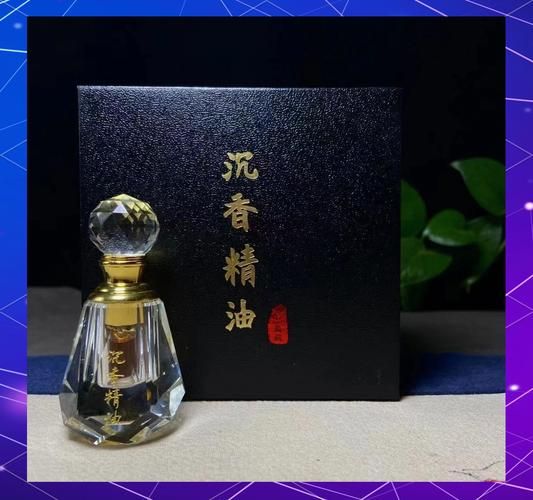
A small amount of aromatic material is brought into the air through aromatic amplification equipment, thereby altering the indoor odour environment。
In addition, refined products are used for physical care, massages, etc。
But this requires special attention:
Different oils and different products are used differently。
Pure oil cannot be confused with care products that have already been formulated。
Therefore, product labels and instructions should be viewed prior to use, rather than directly applying the so-called “one-size-fits-all approach” on the network。
Can oil be painted directly on the skin
This is a very common problem。
The answer is not simply “yes” or “no”。
The nature of the different oils varies, as does the skin of the individual。
Some refined oils usually need to be properly diluted for use in the skin, while some market-sold nursing products themselves have been prepared at a certain percentage。
Therefore, the determination of direct use depends first on the description of the particular product。
In particular, when a product is first used, formal instructions should be followed rather than random attempts based on online experience。
Viii. Can the oil be oral
It is not recommended that all refined oils be understood as edible products。
Concentrations, compositions and uses of refined oil vary。
A number of online articles describe methods of so-called “drip oil”, but consumers cannot assume that all the oil is suitable for oral use。
If the product does not clearly indicate the relevant use, no oral attempt is made。
For refined oils, the concept of “natural” is completely different from that of “eatable”。
Can the oil really “does it cure”
This is a very important point when it comes to oil。
Exaggerations about oils, such as treatment of certain diseases, substitution of drugs, improvement of physical problems, etc., are often observed on the internet。
These statements cannot be simply believed。
Precision oils have aromatic and plant chemistry components, but this does not mean that normal refined oil products can replace formal medical practices。
In the event of illness or manifest discomfort, it should be judged and dealt with through formal medical channels。
The separation of aromatic experiences from medical effects is an important step towards rational recognition of oil。
X. What are the concerns when using oil
Precision oils, although sourced from plants, needed to be used safely。
First, it should not be used extensively because it is considered “natural”。
Second, don't be casual。
Third, skin use should be based on product-specific descriptions。
Fourth, avoid touching sensitive areas such as eyes。
Fifthly, children, the population during pregnancy and those with special health needs are best consulted with professionals before using them。
Sixth, some citrus concentrates may have light sensitivity-related concerns in certain circumstances, and product descriptions should be carefully read in their use。
In addition, oils should be preserved in an appropriate manner to avoid adverse conditions such as high temperatures and strong light。
Eleven. Why does anyone like oil so much
In the end, one of the most attractive places for oil is the scent itself。
Some people like lavender because they like its plant breath
Some people like citrus because they like fresh fruit
Some people like wood because they like the feeling of natural sank。
The scent itself has strong personal attributes。
The same taste, some feel comfortable, others may not like it at all。
Therefore, the choice of oil does not require the blind pursuit of the so-called “hot fragrance”。
It's all that matters。
Twelve, rationally, to enjoy oil
Precise oil is not a magical almighty product。
It is, first and foremost, a product derived from plant aromatics, which can be used in the aroma and in selected daily care settings。