In rural areas, the cultivation of peppers is an important economic source and daily vegetable supply for many farmers. There's a lot of doors in it to make chili grow and produce. The phrase, "steal the peppers with ashes" seems simple: # steal the peppers with ashes and the chili mad with soft-hand words, it's full of chili-growing wisdom, mastery, it makes the peppers go crazy, makes you pick soft hands。
The pepper is the fruit of the first flower on the pepper plant, which grows at the base of the plant. In the early stages of chili growth, the emergence of berets is an important sign of a plant entering the reproductive stage. However, whether or not to retain the pepper is to be determined by the growth of the pepper plant。
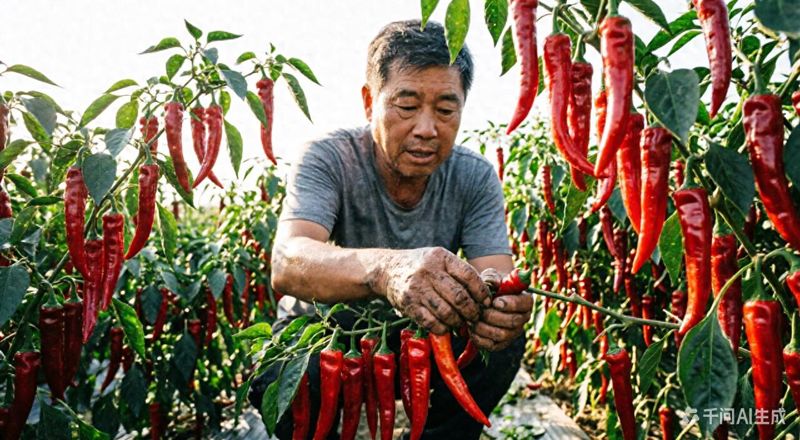
- **ensure a concentration of plant nutrition**: during the pre-breeding period, the main task of the plant is to develop nutrients, i. E. Root, tub and leaf, and to accumulate sufficient nutrients and energy for subsequent flowering. If it is retained, the plant will transmit a portion of the nutrient to the growth of the plant, which will spread the nutrients of the plant and affect the nutritional growth of the plant, leading to slow growth, thinness and thinness. By strangling the pepper, the plant concentrates more nutrients on root, tub and leaf growth, making the plant stronger and providing a solid basis for subsequent large-scale flowering。
- ** refraining from rewinding the plant**: if the pepper grows too big, because of its low position, it increases the burden on the plant base, shifts the plant downwards and can easily lead to rewinding in case of bad weather such as wind and storm. The removal of the peppers reduces the burden on the plant base, reduces the risk of a fall in the plant and ensures its normal growth。
- ** regulates the growth rhythm of the plant**: cutting off the peppers can regulate the growth rhythm of the pepper plant. In the pre-growth period, proper inhibition of reproductive growth, promotion of nutritional growth, and the introduction of plants into the reproductive growth phase in optimal conditions, thus improving the quality and quantity of flowering results. When the plant grows strong, it is allowed to grow in large quantities and yield higher yields。
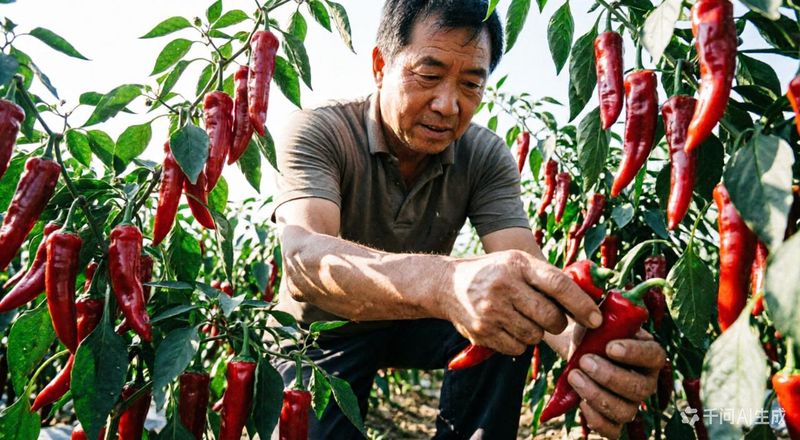
- ** timing**: normally when the pepper is grown to the size of the thumb, i. E. When it is in its infancy. At this time, the consumption of plant nutrients by the frontal peppers has become apparent and the timely removal of nutrients can avoid further dispersion。
-** method**: squeeze the door pepper from the fruit handle with scissors or fingers and be careful not to damage the stem and leaf of the plant. After strangling the frontal pepper, some microbicides, such as polybacterium, can be painted at the wound to prevent infection。
The term “ash” is usually used to refer to ash. Grasswood ash is a residual after-burning plant, which contains a wealth of mineral elements such as potassium, calcium and phosphorus and is a high-quality natural fertilizer and pesticide。
-** potassium **: potassium is one of the essential nutrients in the growth of chili, which plays a key role in the flowering, fruit expansion and quality improvement of chili. Ash contains a large amount of potassium element, which provides sufficient potassium fertilizer for pepper plantations, promotes the sprouts of peppers and fruit development, and makes them full, colourful and delicious。
- **regulate soil alkalinity**: grass-wood ash is alkaline and has some effect on acid soils. In the process of pepper cultivation, excessive soil acidity can affect the absorption and utilization of nutrients in chilly plants, leading to poor growth. The application of grasswood ash can moderate soil acidity, improve soil structure, increase soil fertility and create a good soil environment for pepper growth。
-** combat pests and diseases**: grass-wood ash has some fungicide and insecticidal effects. It can inhibit the growth and reproduction of bacteria in the soil and reduce the incidence of chili diseases, such as desolation, anthrax, etc. At the same time, grass-wood ash can remove pests, such as aphids, red spiders and so forth, and reduce the harm caused by pests to pepper plantations。
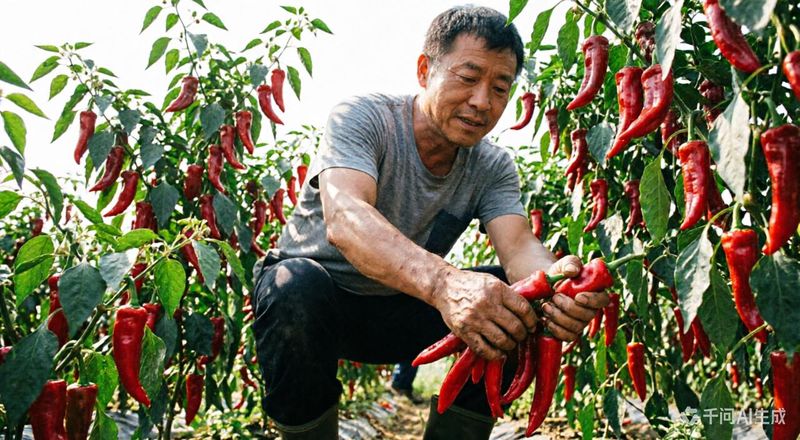
-** method**: during the growth of peppers, a layer of grass-wood ash may be spread around the root of the plant at intervals depending on the growth of the plant and soil fertility. In general, each pepper sprays about 50 - 100 g, and then the soil is slightly tilled, so as to fully mix grass-wood ash with the soil。
- **note **: grasswood ash cannot be used intermingled with ammonium nitrogen fertilizer because alkaline in grasswood ash reacts with ammonium root ion in ammonium ash, produces ammonia, causes nitrogen loss and reduces fertility. In addition, it is best to choose to cast grass-wood ash in the clear and avoid spreading in the rain, lest it be washed away and wasted。
In addition to spreading grasswood ash, rational fertilization is required in accordance with the growth phase of pepper. In the pre-breeding phase, nutrient growth of plants is promoted, mainly by nitrogen fertilizer; in the flowering period, the application of phosphorus, potassium fertilizer is increased to promote flowering and fruit development. It can be combined with a combination of base fat, which is dominated by organic fat and by fertilizer。
Pepper growth requires sufficient moisture, but it cannot be overwatered, otherwise it can easily lead to root decay. In the pre-breeding phase, soil moistness is maintained and plant growth is promoted; in the flowering period, proper control is exercised over watering and soil moisture is avoided. Small water is used to avoid flooding。
Timely and complete cutting of the pepper plant will improve the ventilation of the plant, reduce nutrient consumption and increase production. (b) the timely removal of the old leaves, sick leaves and side branches of the paprika plant so as to maintain the plant in a rational form and to facilitate the transport of light co-operation and nutrients to the fruit。
Hot pepper plants are regularly inspected for timely detection and treatment of pests and diseases. A combination of physical, biological and chemical control can be used to reduce the use of chemical pesticides and to ensure the quality and safety of peppers。
“stealing peppers to ash” is a valuable lesson learned by rural working people in long-term pepper cultivation practices. By strangling the door and spreading grass and ash, together with other scientific management measures, it is possible to make the pepper plant grow robust and produce more flowers, thereby achieving a high yield of the pepper and making it soft。