


How is the correlation between scope, progress and cost understood in project management
How does the project manager normally judge and adjust the impact between the three when the actual project is larger in scope, shorter in duration or budget shrink
Scope, progress and costs require concerted control
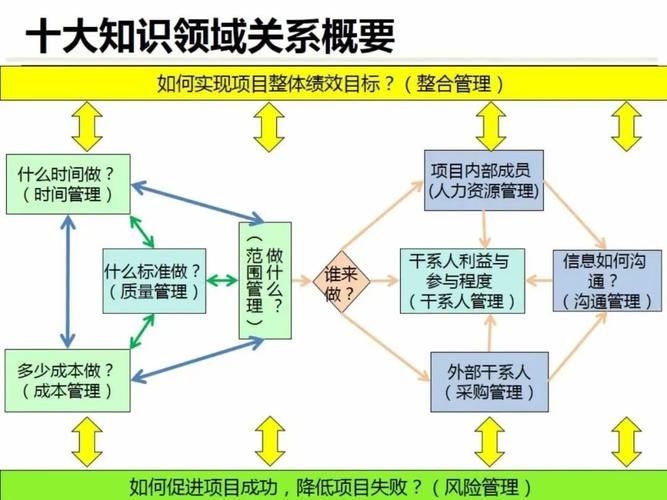
Scope, progress and cost are the three most central constraints of project management, and any change may affect the other two. Broader coverage usually leads to additional workload, which in turn increases the duration and cost pressure; reduced duration may require additional resources to be invested, thereby raising costs; and reduced budgets often require projects to reduce scope or extend cycles. The project manager should balance changes in control, prioritization and resource assessment to ensure consistency in project objectives。
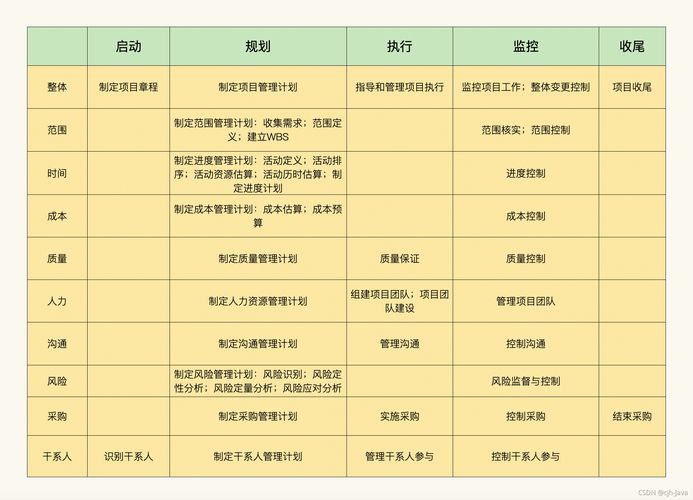
Why is risk management important in project management and what should be done in practice
Many projects are subject to uncertainties during their advancement, and how should the project team identify these risks in advance and reduce their impact on the project
Risk management helps projects to respond to uncertainties in advance
The value of risk management lies in the early identification of uncertainties and the development of response measures to reduce impacts on scope, duration, cost and quality. In practice, the project team can manage risks through risk identification, risk analysis, programming response and continuous tracking. For high-impact, high-probability risks, clear responsibility and prognosis should be established; for a fast-changing project environment, the risk list also needs to be regularly updated to avoid a concentrated outbreak at a later stage。
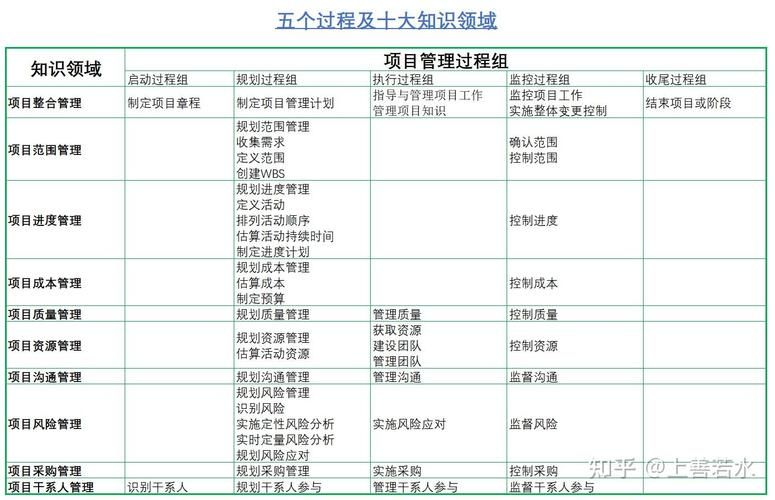
Why does project communication management often determine whether a project succeeds or fails
How can teams avoid misalignment of objectives, duplication of work or delays in decision-making in projects with high levels of cross-sectoral collaboration and information
Effective communication is the basis for smooth project collaboration
Project communication management determines whether information is delivered accurately and in a timely manner among practitioners. Inadequate communication tends to lead to needs misperceptions, distortions in progress information and unclear boundaries of responsibility. The project manager should develop a communication plan based on the concerns of the different liners, clearly defining the frequency, modalities and content of the communication, and maintaining transparency in the minutes, status reports and issue tracking. The clearer the communication mechanism, the more stable the teamwork, the easier it is to detect project deviations in a timely manner。
What priorities should be given in case of conflict between project quality management and progress management
How should this be balanced when a team sometimes fears a deterioration in quality when the project is on schedule; and when strict quality control may affect delivery time
Quality cannot simply be subordinated to progress
The goal of quality management is to ensure that project deliverables meet established requirements, and the costs of later return, complaint and maintenance are often higher when quality is sacrificed in order to catch up. Project managers should choose between project objectives and acceptance standards, maintain bottom-line control at key quality points and optimize efficiency at non-critical points through process optimization. The negative impact of progress pressure on quality can be minimized through quality checks, test validation and evaluation mechanisms。



