


Which areas of knowledge are most vulnerable to neglect in project management
While many people have just approached project management with a focus on progress and costs, what areas of knowledge are more likely to be overlooked in actual implementation, thereby affecting the success or failure of the project
Knowledge areas often neglected in project management
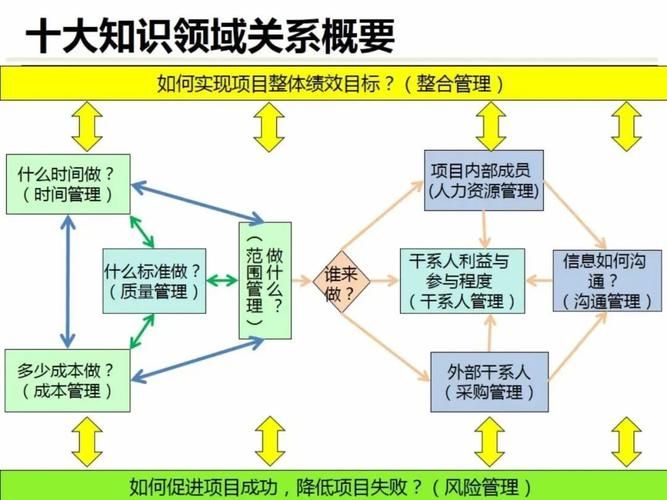
Communication management, line management, risk management and procurement management are often undervalued in project management practices. Poor communication can lead to information bias, lack of clarity in the needs of the liners can trigger repeated modifications, inadequate risk identification can lead to project response programmes in the event of an accident, and poor procurement management may affect the quality of external delivery. To increase the success rate of the project, these knowledge areas need to be given the same attention as scope, progress and cost。
How is it judged that the full management dimension is covered by a project
In practice, the project plan appears to be complete, but there may still be management gaps. Is there a way to judge whether the project has covered key management dimensions
Methodology for determining the completeness of project management dimensions
Checks can be made from the dimensions of project scope, progress, cost, quality, resources, communication, risk, procurement, practitioners and integrated management. The project management framework is more complete when each dimension has clear objectives, responsible persons, implementation mechanisms and monitoring modalities. Where only verbal agreement, no record or tracking mechanism exists, the existence of a management gap requires additional plans and controls。
Will the focus be the same for different types of projects in the area of knowledge
Projects such as software development, market activities, engineering, etc. Are very different, and will they have exactly the same focus on areas of knowledge in project management
Focus on areas of knowledge for different project types
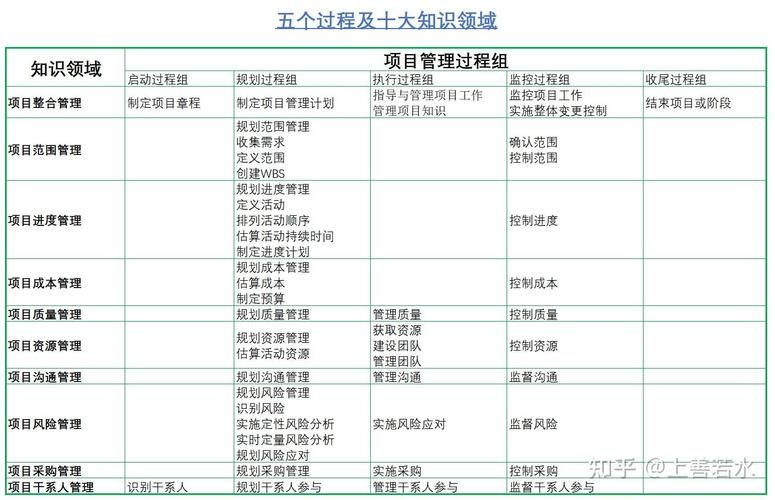
Different types of projects will have different management priorities. Software development projects usually focus more on scope management, demand management, risk management and communication management; engineering projects focus more on progress management, quality management, procurement management and security-related controls; and market activity-type projects tend to be more sensitive to line management, communication management and time control. While the focus is different, integrated management, risk management and communication management are often the basic competencies that cannot be ignored by any project。
If project resources are limited, which management capacities should be prioritized
Where should project managers focus their limited efforts when time, manpower and budget are tight in order to be more effective in reducing risk of loss of control
Priority management directions when resources are limited
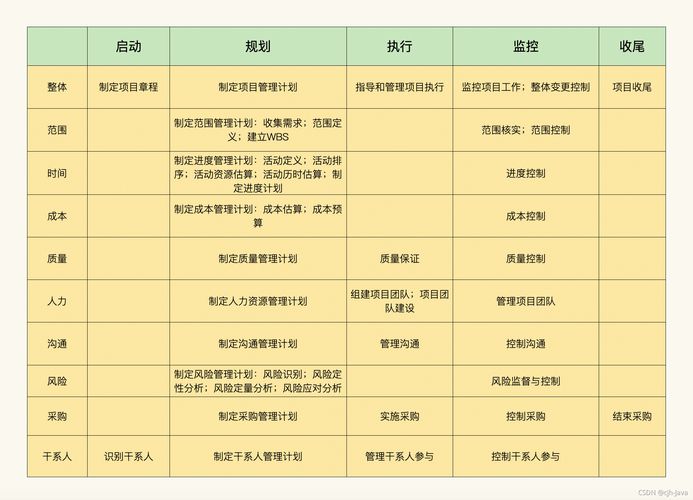
When resources are limited, priority is given to strengthening scope management, communication management, risk management and line manager management. Clear scope reduces back-to-work, smooth communication helps to reduce misunderstandings, risk recognition increases resilience, and responsible management reduces external resistance. Integrated management is also important if the project is in a highly complex environment, as it helps managers to coordinate areas under the same objective and avoid fragmentation of resources。



