


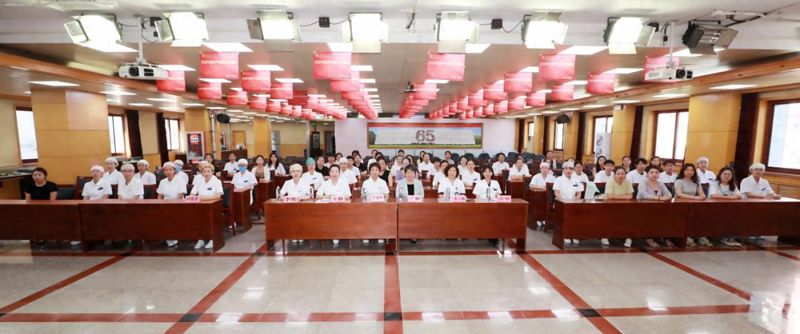
On 14 august, in order to further improve the level of human care in perinatal care and to promote the integration of human care in clinically standardized obstetric practices, the department of home care, led by the ministry of perinatal medicine, organized a training course on the municipal continuing education project “the whole course of perinatal care”. The course focused on the pains and difficulties of perinatal care, building on the concept of “mother-centred” and focusing on human care, continuously optimizing the experience of maternal delivery and safeguarding the physical and mental health of mothers and children. Nearly 210 health managers, midwives and clinical care cadres from health-care institutions in the provinces and in beijing attended the training。
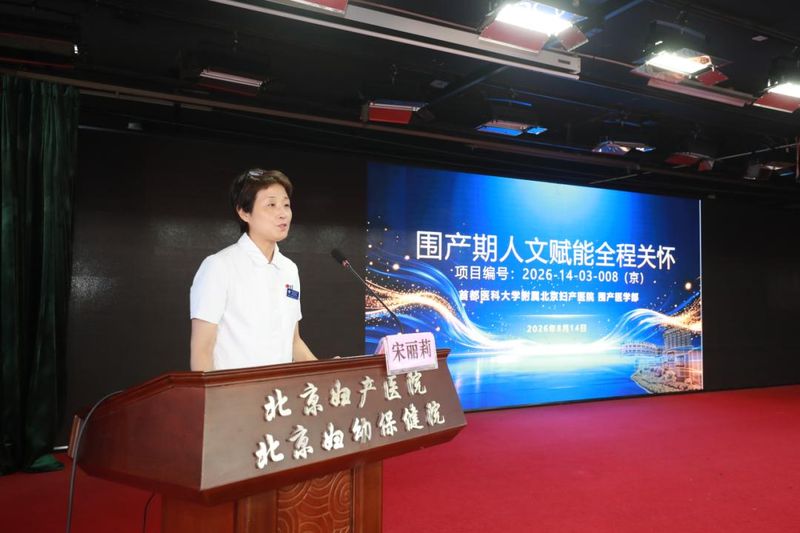
At that meeting, the deputy director of care, somri, delivered a welcoming statement, in which she stated that, as modern care services were being upgraded, human care had become an essential component of perinatal care. The conference was rich and hands-on in theoretical teaching in the form of case analysis, workshops and workshops, focusing on multi-cultural maternal communication, perinatal loss and care, cervix care, application of narrative care tools, support for breastfeeding in special circumstances, human security for the separation of mothers and children, and new models for humanized services in maternity wards. It is hoped that this course will serve as an opportunity to create a platform for industry exchanges to explore the path of human care practice throughout the life cycle of maternity, to maximize the effectiveness of the nursing profession and to contribute to the innovative development of perinatal care models。
The deputy director of the department of nursing, lu xian, has been teaching " humanistic skills for maternal care in different cultural contexts " , in conjunction with a large number of real clinical cases. Advocacy is based on common ground, using non-judgmental communication models, with differentiated communication based on maternal characteristics, cultural background, individual identity, clinical dispute management, privacy protection, sharing of ethics strategies and standardized pacifiers in difficult communication points for specific groups of the population, along with self-protection points for medical personnel, and practical guidance for first-line caregivers on communication with safe human temperature and practice。
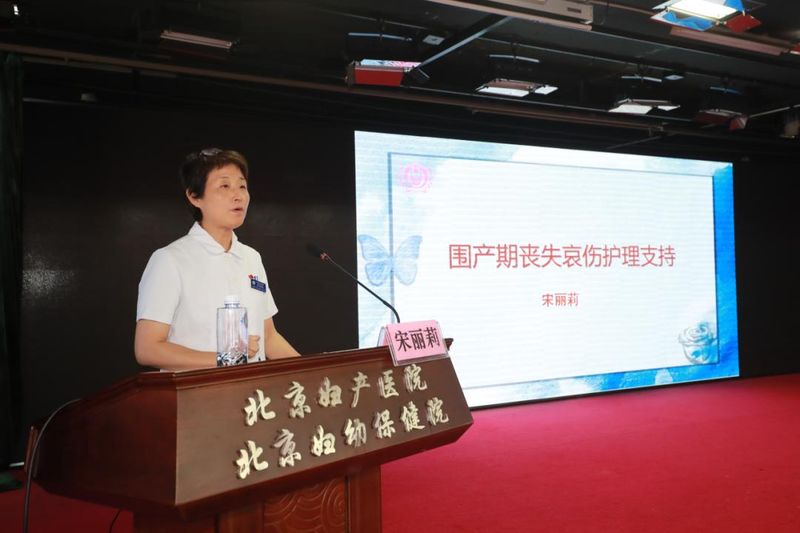
In response to the loss of a special care area during the perinatal period, song lili gave a lecture on the theme " support for sad care in the event of perinatal loss " , combining global stillbirth-related data, explaining the relevance of mourning psychological interventions, presenting a model for the assessment of mutual process sadism and proposing a hierarchy of interventions based on light, medium and high risk. The curriculum covers the whole chain of care initiatives such as childbirth pain support, a decent farewell ceremony for the deceased, family memorial care, post-natal guidance for physical and psychological recovery, highlighting the importance of multidisciplinary collaboration and the psychological adjustment of health-care providers themselves, and building a comprehensive human care barrier for the loss of families during the perinatal period。
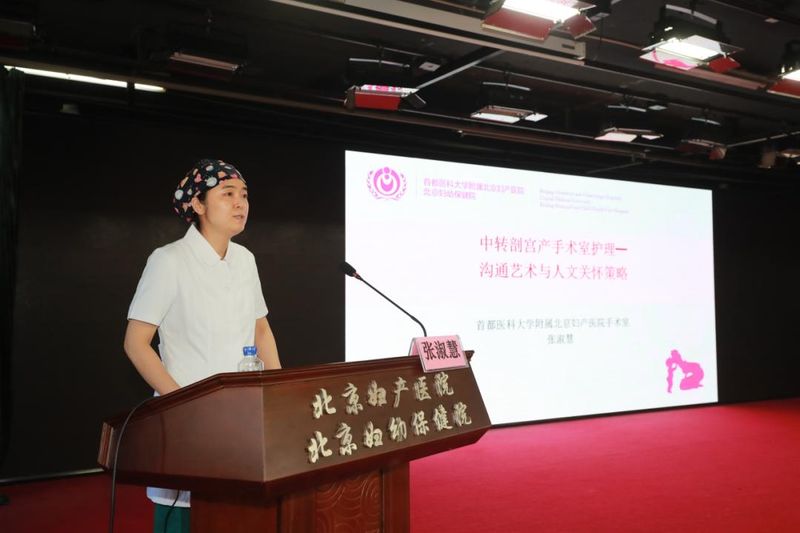
Zhang suk-hye, the head nurse at the anaesthetology surgery, gave lectures on the theme " communication art and human care strategy in the articulation of anatomy " . She noted that there was a widespread sense of frustration, fear and concern for the safety of the foetus at the time of the transfer, offered pre-operative risk predictions based on the sbar standardized handover, placed surgical nurses at the mother's “safe anchor” and implemented full-process care measures such as privacy protection, surgical escort and emotional pacification; and regulated family communication, clear communication of borders and the construction of a closed-door care ring for the entire process。
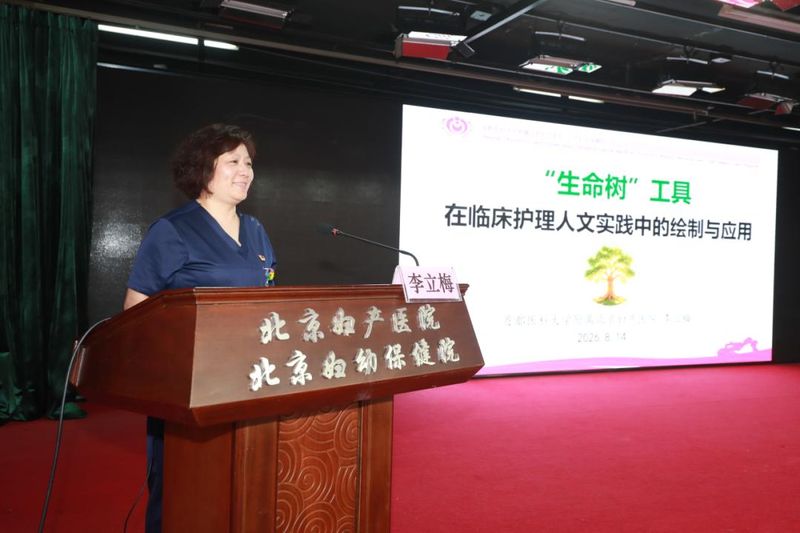
The director of nursing, li li limei, brings narrative care thematic sharing - the mapping and application of life tree tools in clinical care humanist practice. She explained that the “life tree” is derived from narrative therapy, which maps individual roots, inner strength, life aspirations, social support and life gain by mapping roots, trunks, leaves and fruits, a tool that serves both maternal psychological guidance and the psychological construction of caregivers and teams. The delivery of detailed decomposition tools standardized the mapping process and looked forward to the application of artificial intelligence, virtual reality techniques in narrative human intervention, which led to the visualization and instrumentalization of psychosocial interventions。
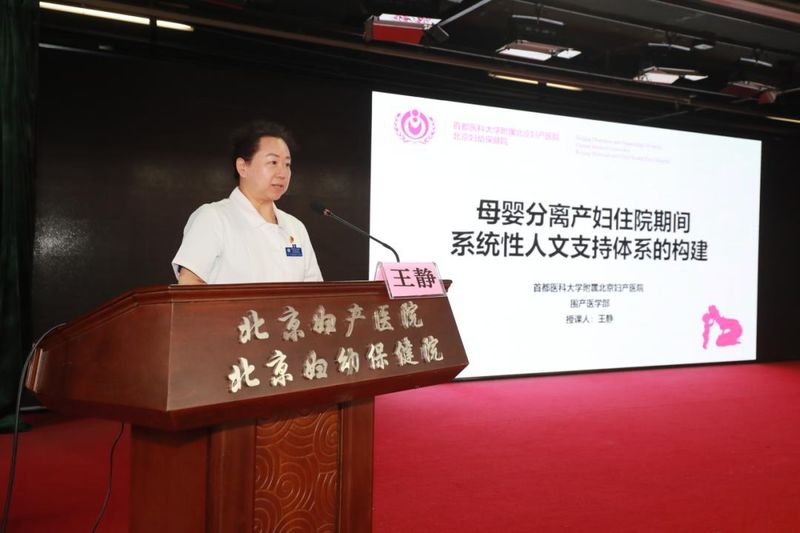
The chief nurse of the department of perinatal medicine, wang jing, spoke about the construction of a systematic human support system for separated mothers during their hospitalization. The curriculum provides a common incentive for the separation of the mother and the child, analyzes the psychological and physical difficulties associated with maternal anxiety, breast-milk delays and the absence of the role of the mother, constructs a full-cycle humanistic support programme that includes hospital admission assessment, multi-dimensional intervention in hospitalization, continuity management of discharge, and specific initiatives such as endocrine breast guidance, online video visits, early warning of psychological risks, and explores viable avenues for efficient human care under limited human resources。
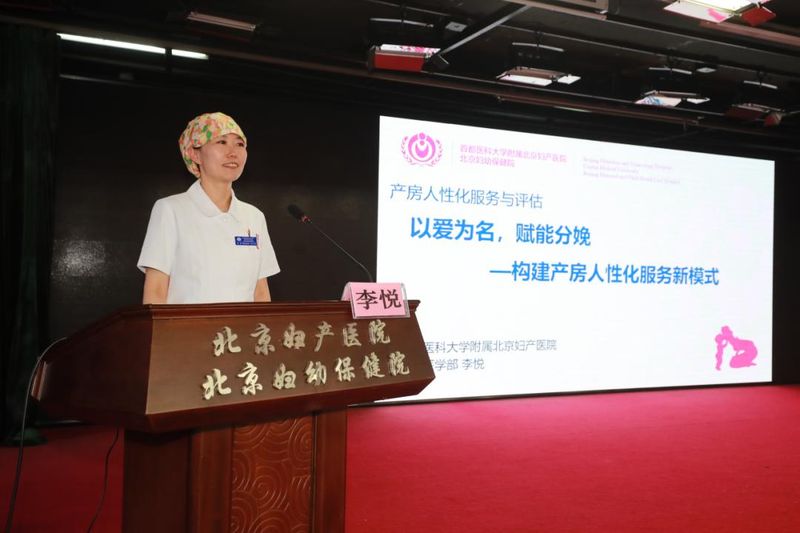
The project manager and nurse of the maternity ward of the ministry of perinatal medicine, li huo, presented a report entitled " childbirth in the name of love - a new model for building humanized services in maternity wards " , which shared the results of the practice from three dimensions: midwifery techniques, clinical services, and the management of sections. Hospitals continuously update the concept of midwifery services and establish a chain of integrated human services during the prenatal and post-natal period; innovatively run midwifery clinics and maternity wards to develop basic health-care techniques for free birth, birth pain and early neonatal care, encouraging family members to participate in accompanying deliveries; synchronized efforts to improve the human literacy of midwifery teams and achieve continuous improvements in clinical indicators related to childbirth; and vividly interpret the core of obstetrical services called “technology as bone, human spirit”。
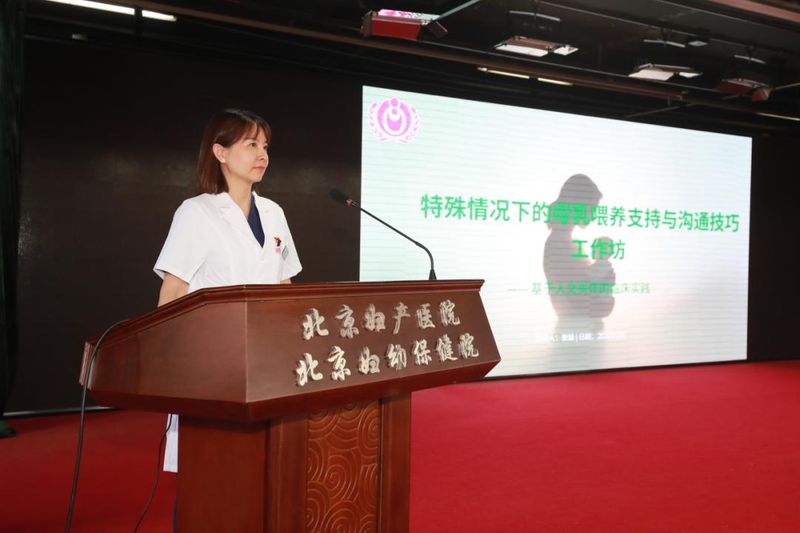
An interactive teaching on breastfeeding support in special circumstances was conducted by zhang ta, an international breast-milk consultant and supervisor of the medical service. On-site, four groups of participants actively discussed cases。
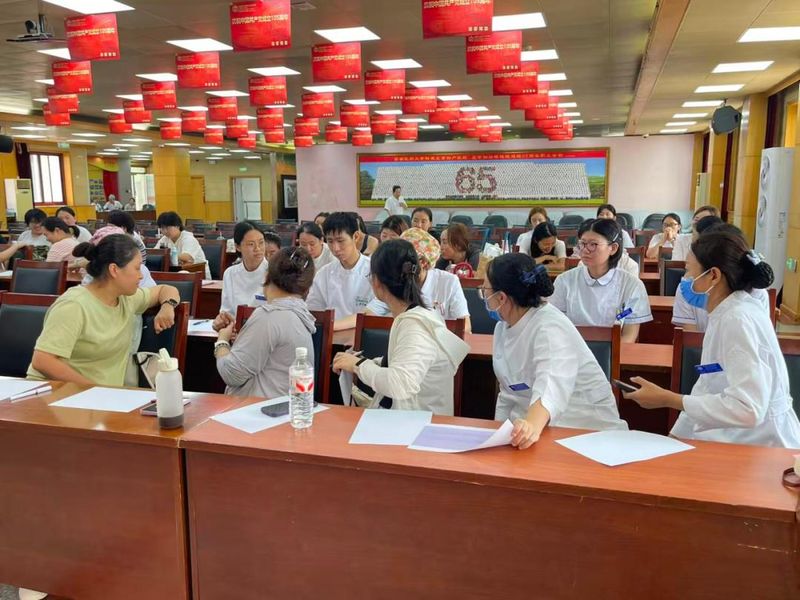
Ms. Zhang's assessment and recommendation is that reproductive friendly services should not simply pursue hard indicators, but involve an integrated assessment of the maternity situation from pain, sleep, emotions and the multiple dimensions of the family; and the promotion of moderate and co-ordinated communication to overcome the psychological guilt of mothers who are unable to breastfeed exclusively. Support programmes for individualized breast milk have always given priority to the physical and mental well-being of mothers and children in complex situations such as premature separation, breast disease, hepatitis b and breastfeeding during pregnancy, and have been supported by individualized support for alternative critical education。
The training focused on the deeper integration of theory and practice, with participants expanding their humanistic and caring thinking and their clinical competence. This continuing education project will further promote the transition of perinatal care from technical services to technical and human “two-wheel-drive” and will lead obstetric care workers to integrate temperament into the whole process of clinical care, creating a more warm and quality health watch for the wider mother and child population。
The host
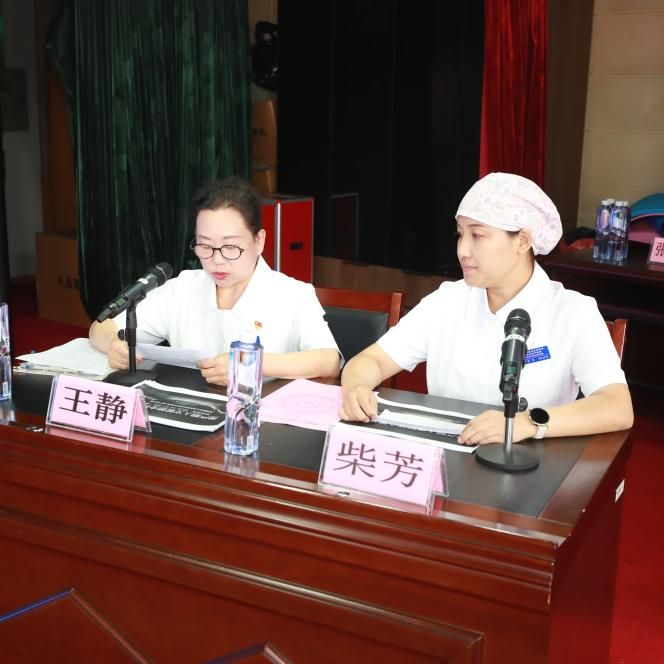
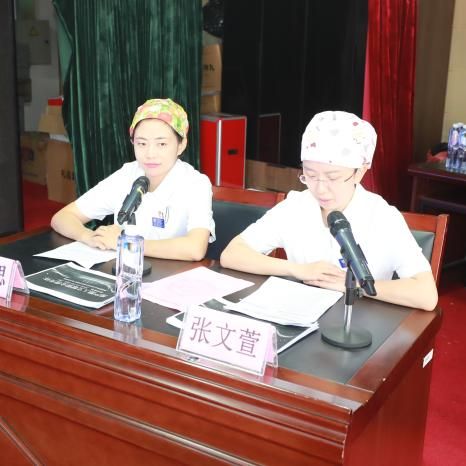
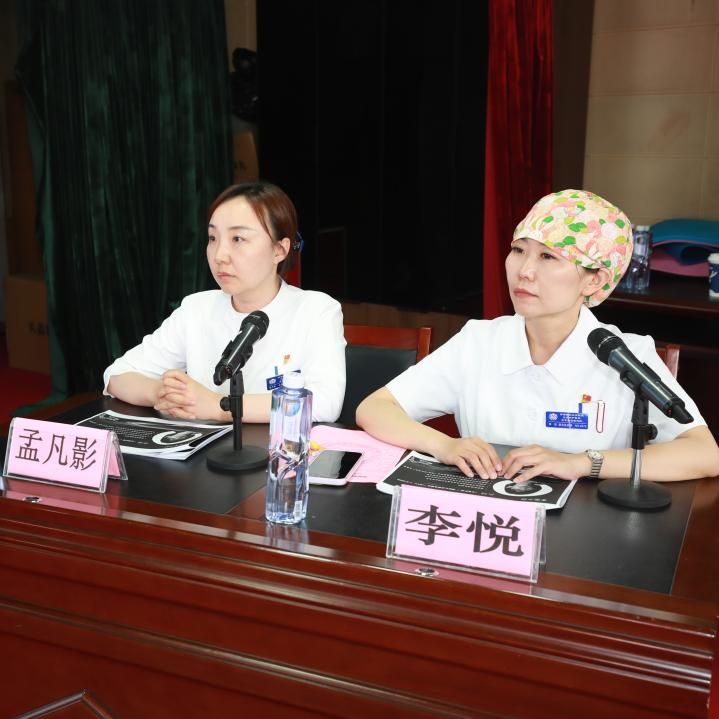
Contributions: department of nursing, department of perinatal medicine
Review editor: advocacy centre
Beijing maternity hospital



