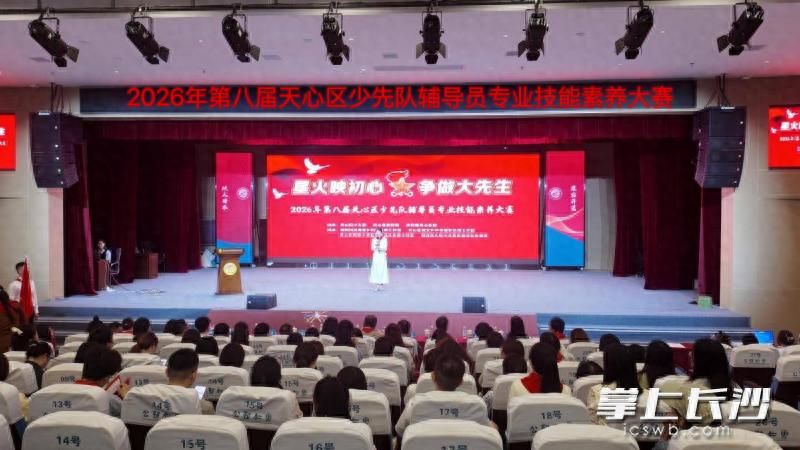
Analysis and resolution of the problem of retraining for laid-off workers
Re-employment training for laid-off workers is provided to employees who have lost their jobs as a result of, inter alia, the closure of their businesses, layoffs, etc
Training opportunities and resources to improve their employability. Re-employment training for laid-off workers relates to resource allocation
Various factors, such as inequality, inadequate content to market needs and lack of relevant experience in training institutions. To solve this
Questions call for a series of measures to improve the quality and effectiveness of retraining for laid-off workers。
Re-employment training for laid-off workers is mainly concerned with:
1.
The distribution of resources is uneven. Some relatively backward areas are often inadequate owing to regional imbalances in economic development
Training resources have resulted in limited re-employment training opportunities for laid-off workers。
2.
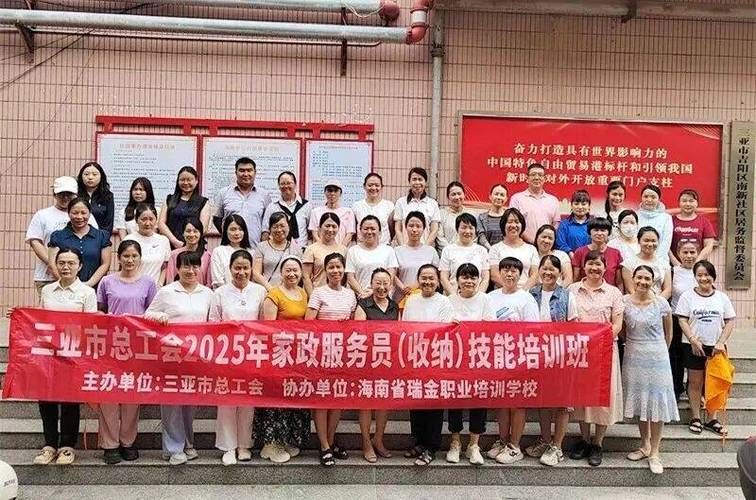
The content of the training is not adapted to market needs. Some training institutions have developed a set of standards based on their own conditions and experience
Improved training courses, however, which are somewhat disconnected from the needs of the social market and do not meet the actual follow-up of laid-off workers
Demand for employment。
3.
Training institutions lack relevant experience. Lack of experience of some training institutions in retraining for laid-off workers
The lack of expertise to provide effective training makes training less effective。
To address these problems, the following measures can be taken:
1.
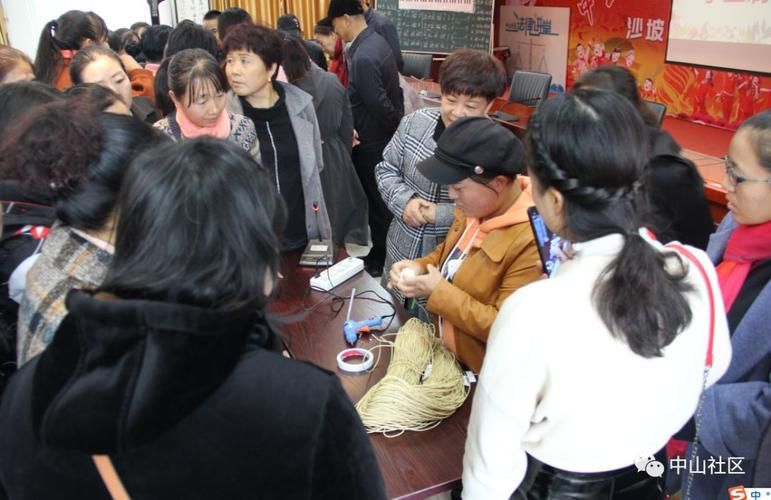
Increased government investment. The government should increase funding for re-employment training for laid-off workers, especially the economy
In less developed regions, additional support and subsidies should be provided to ensure that laid-off workers in these areas benefit from them
The same level of training opportunities and resources in his region。
2.
Strengthening the interface between training content and market demand. Training institutions should work with enterprises, trade associations, the job market, etc. Construction
Linking, in-depth understanding of market demand, and adapting the content and orientation of training courses to market demand
Training education。
3.
Improving the professional capacity of training institutions. Training institutions should strengthen their own professional capacity-building and develop and introduce better

(c) training of teachers to improve their professionalism and teaching and ensure the effectiveness and effectiveness of training。
I'm sorry.
Individualized training. Training institutions should introduce individualized training based on individual differences among laid-off workers
Different laid-off staff have individualized training programmes and resources to meet their different employment needs and development directions。
5.
Strengthen tracking services. Training institutions should strengthen follow-up services for laid-off workers on employment after training
Situation and difficulties, adapting the content and modalities of training in a timely manner, providing job guidance and assistance to help them achieve it more quickly
Industry。