


Analysis and resolution of the problem of retraining for laid-off workers
As our economic institutional reforms advanced, many state-owned enterprises faced the difficult task of transforming and upgrading
Enterprises have had to retrench and lay off jobs, resulting in large numbers of unemployed workers. In order to improve the employability and opportunities of laid-off workers
We have proposed relevant policy measures for retraining. Problems of re-employment training for laid-off workers remain landmark
Disturbing and challenging require our in-depth analysis, research and solutions。
1.
Funding issues: re-employment training for laid-off workers requires a certain amount of funding, including training fees and teaching materials
Usage, subsidy costs, etc. Some regions and enterprises are under-resourced in the allocation of funds to meet the training needs of laid-off workers
This has resulted in many laid-off workers not receiving effective training。
2.
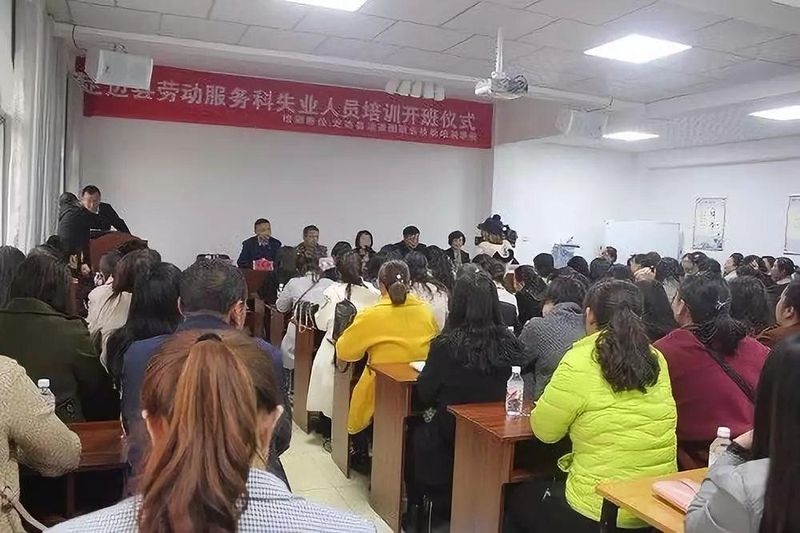
Inadequate resources for education: re-employment training for laid-off workers requires quality educational resources, including excellent teachers
(c) capable, fully equipped teaching facilities, etc. Inadequate investment in training resources for laid-off staff in some areas, resulting in quality of training
It is not high enough to meet the learning needs of laid-off workers。
3.
Lack of orientation and planning for training: laid-off workers tend to be in jobs that they can do when they face unemployment
There is confusion and confusion and a lack of clear career direction and planning. This requires that re-employment training be adapted to the city
Training orientation and planning of field requirements to help laid-off workers reposition their career paths。
I'm sorry.
Disconnection between training and practice: re-employment training for laid-off workers needs to be closely linked to actual work, so that they can be trained
Closer to market demand and more effective training. Some training institutions and enterprises disassociate training from practice, resulting in
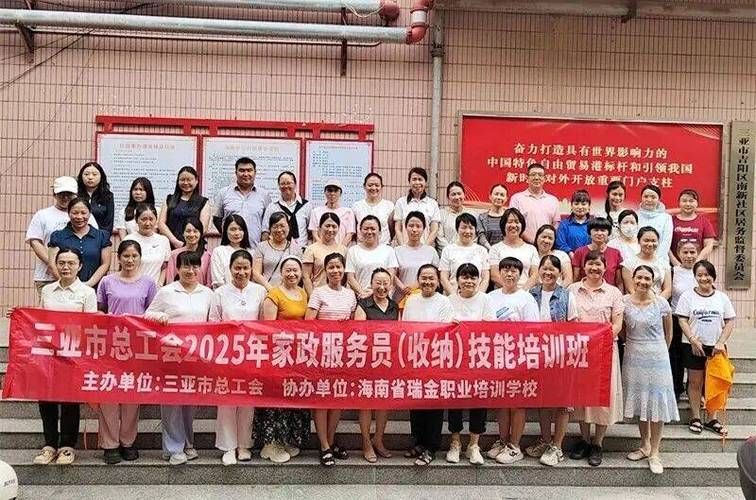
The training content was separated from market demand and was ineffective。
1.
Increased financial support: the government should increase financial support for retraining of laid-off workers and provide adequate support
Sufficient funding is available to ensure the smooth running of training. Enterprises could be encouraged to provide the corresponding training funding to participate in the workforce
Re-employment training。
2.
Building training bases and educational resources: governments and businesses can work together to build training bases and provide educational resources
(c) provide a sound learning environment for the retraining of laid-off workers. Encourage collaboration between institutions of higher learning and scientific research and enterprises to strengthen the section
The translation and application of results through increased resources for quality education。
3.
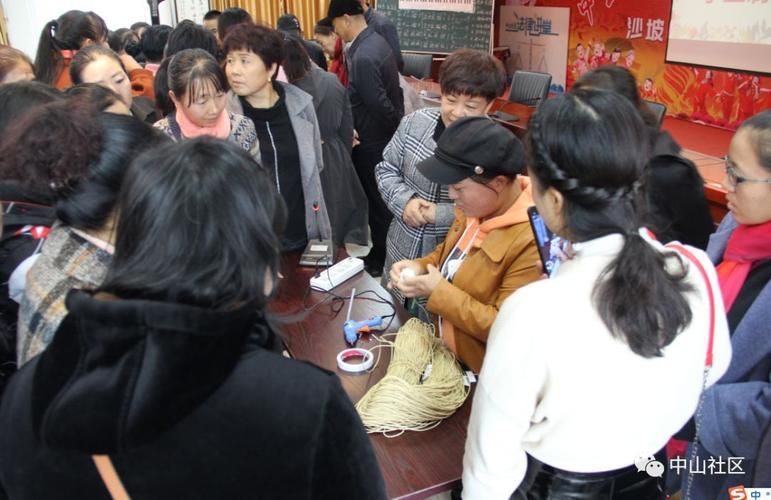
Design of individualized training programmes: development of individualized training programmes for different laid-off workers, based on them
Improved relevance and effectiveness of training through disaggregated training on experiences, competencies and interests. Encouraging governments, enterprises and training machines
Market research is organized to understand the needs of the job market and to provide accurate training orientation and planning for laid-off workers。
I'm sorry.
Strengthening the integration of training and practice: training institutions and enterprises should strengthen their communication and cooperation, and the content of the training should be matched with actual work
Close integration to improve the effectiveness of training. The introduction of a system of business mentors, with practical guidance from the company's staff
To help laid-off workers better apply training to their work。
Re-employment training for laid-off workers does have some problems and challenges, but through government, enterprises and training institutions
Working together, effective solutions can be found. Increase financial support, build training bases and educational resources, and establish



